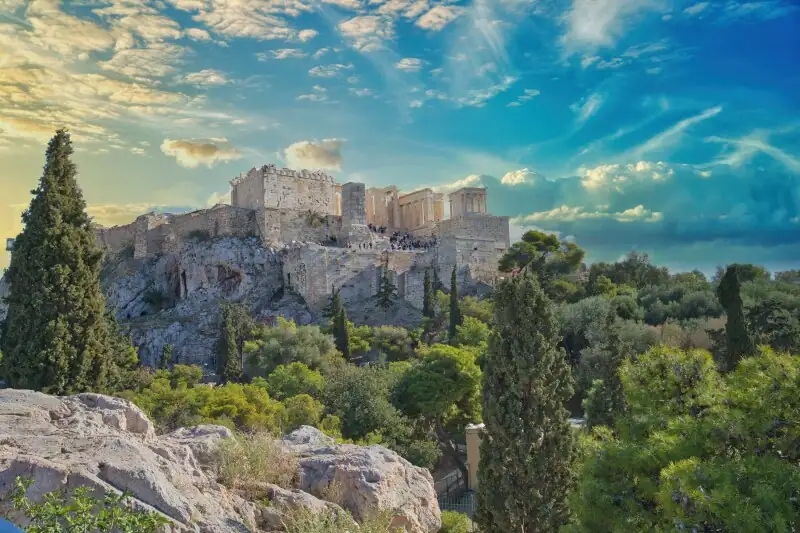
“I’ve lived in Athens for years, and there’s always something new.” Well, I’ve been walking around these streets my whole life, and I still feel like there is something new to discover around every corner. Hidden gems on every block, memories around every hill. So, as you plan your trip and search online for the best things to see in Athens, Greece, let me show you this colourful city as I know it!
Athens is not just a city you visit. It is a city you feel. This ultimate Athens guide has everything you need to see and do, from the famous attractions that helped build Western civilization to local hotspots where you can grab your morning joe. I’ll show you not only what to see, but also why you should, and how to experience the magic of Greece’s capital city truly. Whether you’re stopping through for 2 days or 2 weeks, you’ll know how to make the most of your time.
Table of Contents
What are the must-see ancient sites in Athens?
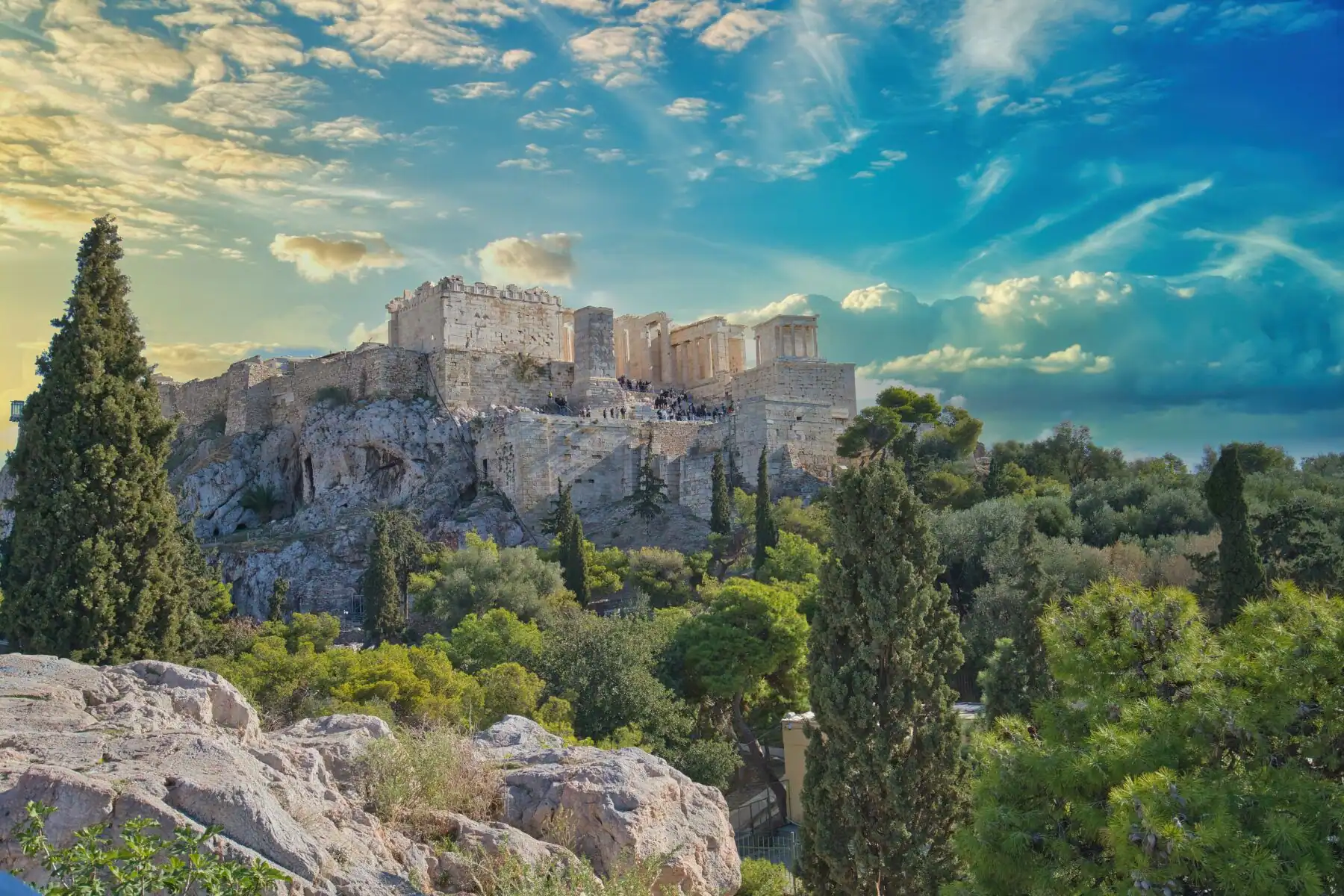
The list of things you can’t miss starts with the obvious: the Acropolis. For three thousand years, it has stood guard over Athens, the flat rock on the hill. Inside the Parthenon, Athena was worshipped, and the temple is today the most famous icon of Ancient Greece.
Near the bottom of the Acropolis is the Herodes Atticus theatre. Today, summer night concerts are still performed there. Think about watching a show in a building that was constructed almost 2000 years ago while the Parthenon shines overhead. Across the hillside is where tragedy was born at the Theatre of Dionysus. Imagine crowds of Athenians watching the very first comedies and tragedies under the same stars that shine over the city today.
Northwest of the Acropolis is where Ancient Athens conducted its business, the Ancient Agora. This is where Athenians would vote, shop, argue politics, and discuss the latest philosophy.
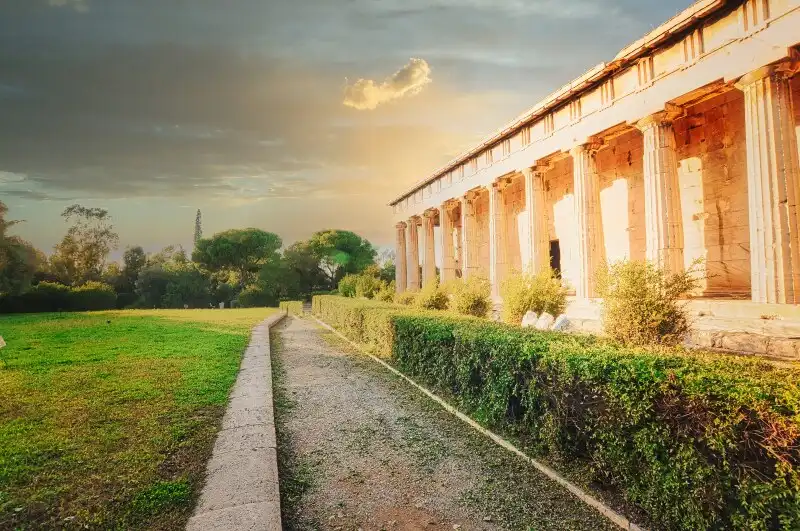
The Romans arrived later and built their own Agora after conquering Greece. The Tower of the Winds is an ancient weather station that also worked as a clock. See how advanced they were to find ways technology could make daily life easier. Nearby is Hadrian’s Library.
You can’t miss the biggest temple of all, which took 600 years to build, and this is the temple of Zeus. Today, only fifteen columns are still standing. They are still impressive if you know just how wide each one is.
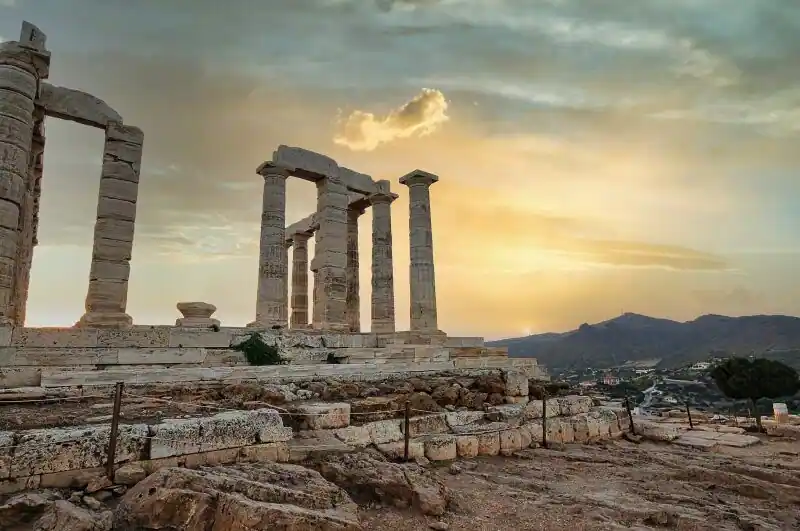
Heading about a ten-minute walk outside of the city center will also take you to the Panathenaic Stadium. Built around 330 BC, it is where the first modern Olympics were held in 1896. A few kilometers outside the city is the temple of Poseidon, famous for its sunsets and great sea views.
If you seek stillness among the ruins, the Kerameikos cemetery welcomes you with cypress shade and stories carved in stone.
What are the most important museums to see?
One of the most important museums in Athens is the Acropolis Museum, built specifically to house treasures from the sacred rock. On the top floor, which was raised in order to match the height of the Parthenon itself, are the marble sculptures in the light in which they were intended to be seen. This place changed how I experienced the Acropolis. Here were the objects that once existed inside the temples, offering clues to what they might have looked like when the buildings were painted.
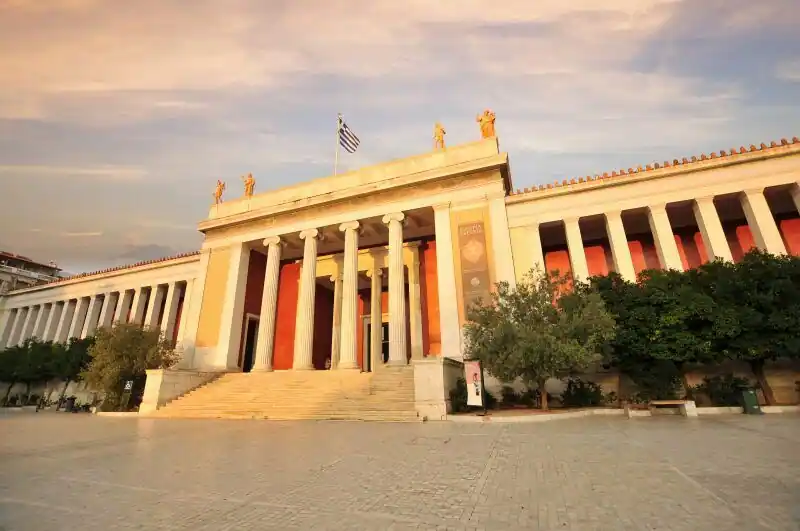
The National Archaeological Museum is of another sort—a much larger museum with a broader range of objects from across Greece. From prehistoric gold to classical sculpture, you could easily spend your days here. The collection of Mycenaean-era art is staggering. Gold masks and intricately wrought jewelry could keep you busy for hours. If you’re a history buff, this might be the best archaeological museum in the world.
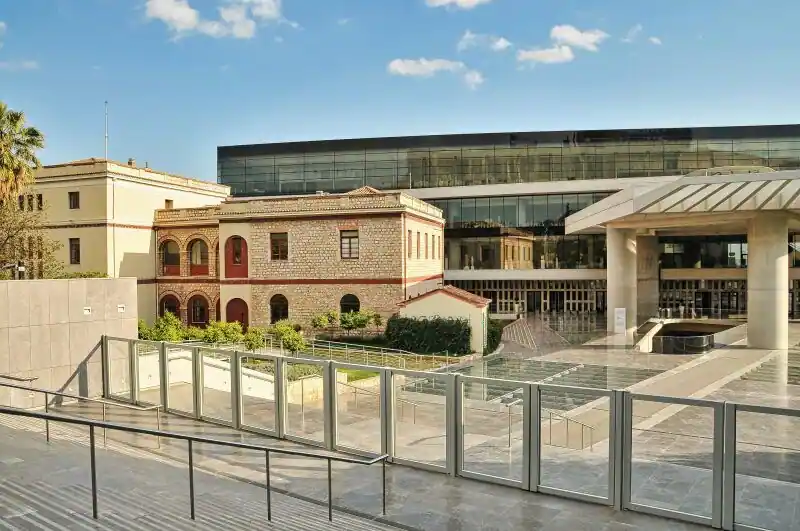
The other museums of Athens tell smaller, more defined stories. The Benaki Museum takes you from Antiquity to modern Greece in a stunning neoclassical mansion. The Byzantine Museum follows the millennia of Christian Greece and next to it, the War museum shows the history of Greece through the wars. The Museum of Cycladic Art dedicates itself to the enigmatic minimalist sculptures found throughout the Aegean Islands. Though they’re over four thousand years old, they look surprisingly modern.
The National Historical Museum traces the journey from Ottoman rule to independence, where paintings and weapons tell the story of modern Greece.
Pick two or three museums that appeal to your interests instead of trying to do them all. They’re all worth your time.
What are the best neighborhoods to see?
Exploring Athens is best done on foot, without an itinerary. Wander through Plaka, the oldest neighborhood under the Acropolis. Get lost in its tiny alleys, draped with bougainvillea, and lined with little shops. While some streets can feel crowded with tourists, venture further into Plaka and discover quiet squares, with older men playing backgammon and sleeping cats everywhere.
Scroll around in Monastiraki at the famous flea market and bustling square. Vintage shops line the streets alongside antique dealers and souvenir shops. Sunday morning is the best time to visit and soak up the local atmosphere, as Athenians wander in search of a deal.
Psyrri was an industrial neighborhood 20 years ago. Now, graffiti decorates the old factory walls, while underground bars and restaurants occupy what used to be workshops. Nighttime is when this area buzzes with life, with music and chatter pouring out of bars. But during the day, there are hidden gems and places in Athens that are far less touristy than Plaka.
Visit the cosmopolitan area of Kolonaki for a different side of Athens life. Trendy boutiques, cafes, and stylish shops line the streets. Wealthy Athenians come here to shop and eat lunch. You can also find some of the best art galleries in the city.
Off the beaten path, and recommended only by locals: Koukaki and Mets. Both neighborhoods are south of the Acropolis and are where Athenians live.
What are the best viewpoints and hills in Athens?
Towering above Athens, Lycabettus Hill offers a 360-degree view of the city, sprawling out to the mountains and the sea. You can walk it, ride the teleferic, or drive. At sunset, the Acropolis is cast in gold as it stands above the darkening sky.
Next to the Acropolis is Philopappos Hill. Look towards the Acropolis from this viewpoint, and you’ll see the Parthenon at its most awesome as much of the city falls away behind it. Professional photographers flock here for the best pictures of the Acropolis.
Exactly next to the Acropolis is the Areopagus Hill, which ascends steeply up to meet the Acropolis. The climb is short with marble stairs smoothed by centuries. Once at the top, you look across to the Ancient Agora and out over Athens itself. It’s another great spot for sunset, and attracts crowds of young Athenians on balmy evenings who perch here with guitars and bottles of wine.
What are the best parks and gardens to visit?
Athens’ best parks provide relief from the summer heat and beautiful walks. Athens’ National Garden hugs the Parliament building in Syntagma, covering fifteen hectares of shade and peace. Athenians stroll here with their dogs, run, or sit and read.
Zappeion Gardens, linked to the National Garden by many paths, encircle the neo-classical Zappeion Hall. These gardens have a more manicured feel, with trimmed trails and a temple-like building that hosts exhibits and events year-round.
What religious and historical churches are worth visiting?
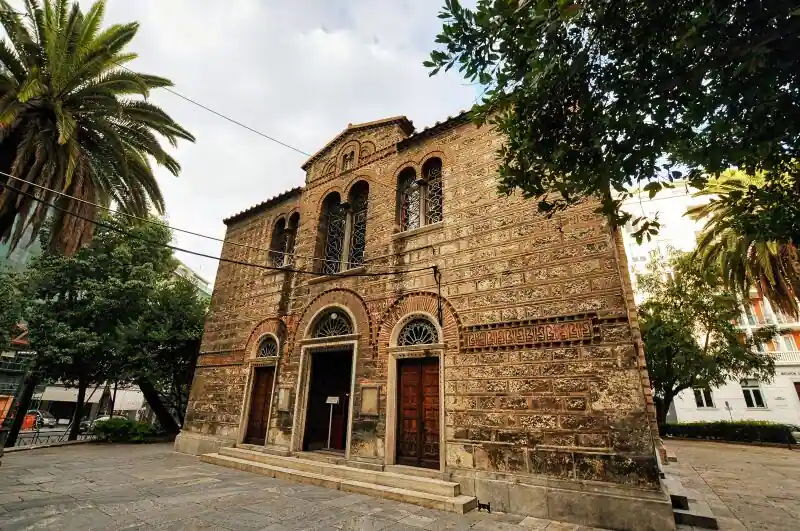
Athens may surprise you with its long Christian history, from tiny Byzantine chapels to big churches from the late 19th century. Nestled into Athens’ massive shopping street, Ermou, you’ll find the Church of Panagia Kapnikarea, dating to the 11th century.
The Cathedral of Athens (Mitropoli) is the Metropolitan seat of the Archbishop of Athens. It is used for large-scale religious ceremonies. Right across the street is a tiny church called Church of Agios Eleftherios, also known as the Little Metropolis. Ancient Greek and Roman artifacts are incorporated into its Byzantine stonework.
Walk into the Russian church of Sotira Lykodimou, and you’ll be hit with color. Russians were given this building, built in the 11th century as a Byzantine church, in the 1850s. It was then decorated with the Russian Orthodox iconostasis and ornamentation you see today.
If you’re interested in Byzantine churches, you should also check out the Church of Agii Apostoli in the Ancient Agora. Dating to around 1000 CE, it has been restored to its original form. Visit the Monastery of Kaisariani for something more low-key. Located on the outskirts of Athens, on the foothills of Mount Hymettus, this monastery complex dates to the Byzantine era.
What modern landmarks can you see?
Athens is home to several modern landmarks that demonstrate that the city didn’t stop building when antiquity did. Athenian Trilogy on Panepistimiou Street features three buildings designed in neoclassical style during the 19th century: The Academy, The University, and The National Library. Columns and pediments intentionally mimic those of ancient Greece in order to connect classical Athens to the modern nation reborn from Ottoman occupation.
In complete contrast, the Stavros Niarchos Foundation Cultural Center opened in Athens in 2016 as a symbol of modern Greece. Architect Renzo Piano designed the home of the National Library and the National Opera as a structure set amid parkland and artificial canals. People watching from the rooftop look out to sea while the grounds invite visitors to sit and enjoy a very modern plaza.
The Olympic Stadium, built in the northern suburb of Maroussi for the Athens 2004 Olympics, demonstrates how Athens shares ideas on the global stage. Architect Santiago Calatrava designed the building, and its white roof, appearing to flow through the air, became a symbol of that summer.
Visiting ancient and modern Athens in one trip is easy. Spend your morning soaking in history at the Acropolis, have lunch in Plaka, then walk down Panepistimiou to view the Athens trilogy. From there, enjoy civil war history at Syntagma and the changing of the guard. Allow each time period to blend into the next as you discover what Athens has to offer.
What are the best free things?
Athens offers many free activities. Some of the most iconic attractions in Athens are completely free. Walk the neighborhoods, climb the hills, and enjoy the vibes for free.
Philopappos Hill, Areopagus Hill, and Lycabettus Hill are all great places to view Athens for free. Watch the Changing of the Guard at Syntagma Square, which occurs every hour on the hour, especially the pomp and circumstance of the Sunday morning ceremony. Visit the National Garden for free. Stroll through churches at your leisure – they’re free!
Enjoy the exteriors of the Athens trilogy right on the sidewalk. Walk from the Temple of Zeus all the way to the Panathenaic Stadium, past the Zappeion, and through the National Garden. Visit one or more archaeological sites when they offer free admission—usually, the first Sunday of the month from November through March and certain holiday weeks. Do your research and save money!

Beaches that cost nothing but time
Athens is a city where you can stroll among ruins in the morning and kick back in the sand by the afternoon. The coast runs to the south of the city, and within half an hour, you reach beaches where Athenians escape from the summer heat.
The tram runs along the coast to suburbs such as Glyfada and Voula, where there are organized beaches with sunbeds and cafes. Head a little further south for Vouliagmeni, which is a more sophisticated vibe, with its famous thermal lake, hidden away in the rocks. For something a little wilder, head towards Sounio, where you'll find quieter coves among the cliffs.
The season for swimming is from May through October, but Athenians like to bend those limits on warm days. After a morning climbing the Acropolis, few things feel better than salt water and a cold drink by the sea.
For my favorite places along the coast, check out my complete guide to the beaches near Athens.
The Athens locals only know
When you come to Athens, you’ll visit the Acropolis. You’ll wander around museums and marvel at ancient ruins. And you should do those things. But if you only wander the tourist track, you’ll be missing out. You’ll be missing the real Athens.
Few travelers ever explore the side of what locals call home. There are quiet neighborhoods you’ll never stumble onto. Unknown attractions that can blow your mind. Places that seemingly don’t appear in any guidebook. These are the city’s hidden gems that locals know and enjoy.
Do you know what else you won’t find here? Crowds. Photo-perfect spots that everyone knows about. Because Athens’ secret spots are well guarded. By locals who know how to keep tourists away.
Every day I discover something new in my city, and I’d like to share it here with you. Tiny Byzantine chapels tucked between buildings. Rooftops with views that nobody knows about. Whole neighborhoods so quiet that you’ll only hear the sound of birds and smell jasmine in the air.
By far, my favorite things to see and do in Athens are the things tourists pass by every day without noticing. I’ve collected these hidden gems over the years living here, and I’m excited to share them with you like secrets between friends.
What you need to know before visiting Athens
Before you start exploring ancient temples, discovering neighborhoods, and enjoying seaside sunsets, make sure you are well prepared for your travel in Athens. Learn about when to visit the city and how to navigate it. Here you will find useful information and tips from a local to make your travel and stay in Athens pleasant.
How to travel to Athens
By plane
There is one airport, which is El venizelos international airport, which is located in Spata, 40 km away from city center. There are many direct international flights from all over the world.
By ferry
Travelling from Italy to Greece is the most popular way to reach Athens. Venice, Ancona, Bari and Brindisi are the 4 italian ports where there are ferries to Patra or Igoumenitsa, and from there you can reach Athens by bus or plane. Another way to travel to Athens, is through cruise ships.
From USA the cruise companies Holland America, Princess Cruises and Cunard, usually include Piraeus port in their schedule. Pireaus port is the main port of Athens which serves most of the greek islands, the other two ports are Rafina and Lavrio. There are also cruises from Europe which can approach greek ports, such as Seabourn, Celebrity Reflection and Royal Caribbean.
By train
Greece does not provide a good connection by train with other european countries, but you can combining travelling by train to a balkan country, such as Bulgaria, Albania and from there you can travel by bus to Greece.
By bus
There are many options from various European countries, mainly from central Europe and Balkan countries, to travel to Athens by bus.
By car
You can reach Greece by car, from Albania, FYROM, Turkey and Bulgaria which are located at the northern borders of Greece, or through Italy, using the ferry.
When to travel to Athens
The best time to travel Athens is from March to June and from September to November, since these periods the weather is not very cold and not very hot.Furthermore, the prices at the hotels are good, there are not many tourists so you can explore better the sightseeings. July and August usually are hot months, so if you decide to visit Athens this period, it is better to stay 2-3 days in the city and the other days you travel to some islands.
How to get around
The main archaeological sites and monuments of Athens are located in city center around Plaka and Monastiraki area, and they can be accessible on foot or by metro.
The extensive network of metro will help you reach many places in Athens. The south part of Athens which is across the sea, can be reached by tram. Furthermore, there are many local buses that you can use for longer distances such as Sounio.
A smart way to go around Athens center and Piraeus, is with Hop Hop off buses, where you can buy one 24 hours ticket and use it to visit the best tourist attractions and explore the city.
How much does the metro, bus, tram ticket cost?
You can use all means of public transport in Athens — including bus, metro, and tram — with a single ticket. Ticket prices depend on duration and do not include the airport line.
- 90-minute ticket: €1.20
- Two 90-minute tickets: €2.30
- Five 90-minute tickets: €5.70
- Eleven 90-minute tickets: €12.00
- 24-hour ticket: €4.10
- 5-day ticket: €8.20
How can I reach city center from the airport?
- By bus (X95 Airport Bus): The X95 bus is the cheapest way to travel directly from Athens International Airport to the city center (Syntagma Square). A one-way ticket costs €6 (€3 for passengers under 18 or over 65). The journey takes approximately 60 minutes, depending on traffic. Tickets can be purchased onboard or from airport ticket offices located in the arrivals area between Exit 4 and Exit 5. The bus operates 24 hours a day.
- By metro (Line 3 – Blue Line): The metro station is about an 8-minute walk from the airport terminal. A one-way ticket costs €10 (€5 for students and seniors), and a return ticket costs €18. The journey to Syntagma Square takes approximately 45 minutes. Metro services operate from 06:30 to 23:30, with trains running every 30 minutes. To reach Piraeus Port, change lines at Monastiraki station.
- By taxi: Official taxis are available outside Exit 3 of the airport. The fixed fare to the city center is €40 between 05:00 and midnight, and €55 between midnight and 05:00.
Are the city's sightseeing attractions near each other?
Athens’ main attractions are located within a small area surrounding the old town. For that reason, it is easy to explore on foot. The Acropolis is literally at the center, and you can easily orient yourself with it once you arrive, since you can see it from just about anywhere in the city. The major archaeological sites fan out from there.
Tourists venture into four main neighborhoods: Plaka, Monastiraki, Psyrri, and Syntagma. All of these neighborhoods surround Athens’ archaeological treasures. You can walk from one neighborhood to the next in about half an hour, but you’ll want to take much more time as you explore. I refer to these neighborhoods as the walking sights of Athens.
Every sight within reach of the Athens city center can be reached on foot. Public transportation gets you everywhere else. The city has a metro system with stops near most major attractions, and several stations feature displays of archaeological finds unearthed during construction of the metro lines.
If your hotel is located near Syntagma Square or Monastiraki, then nearly everything on this page is within easy walking distance. I always encourage people to ditch their map for a few hours and wander. Lose yourself in Athens, and you’ll likely end up discovering something great.
How safe is Athens?
-
Pickpocket risk:
Medium
Pickpocketing is the most common petty crime in Athens, especially in crowded areas such as the metro, buses, and tourist spots like Syntagma Square, Plaka, and Monastiraki.
Keep your valuables secure, avoid leaving phones or wallets on restaurant tables, and carry limited cash while using credit cards when possible. -
Mugging risk:
Low
Mugging is relatively rare, but some areas require extra caution at night, including Metaxourgeio, Omonia, Exarcheia, and Kypseli.
Avoid isolated areas late at night, including sections of Filopappou Hill. -
Scam risk:
Moderate
Common scams include taxi overcharging and distraction techniques where someone asks for help or directions while attempting theft.
Be cautious of “free bracelet” schemes in busy tourist squares where money may later be demanded.
General travel cost
Athens is a mid-range destination for travel. There are some parts of Athens where hotels are more expensive, such as Plaka, Syntagma, Monastiraki, and Kolonaki, and some areas where you can find budget accommodation, such as Omonia and Metaxourghio.
The restaurants in the tourist areas, such as Plaka, Akropolis and Thisio, may be a little more expensive than those in other, less touristic locations. The cheapest and most popular street food is the souvlaki, which costs around 2-3 euros and will make you feel full. It is very popular in Greece, and you can find it in many places.
The transportation is also cheap since, for only four euros, you can use buses, metro, and trams unlimited.
Where to stay
Where you stay in Athens is a big deal. It can make or break your visit. Neighborhoods have different vibes, sights, and ways of living. In Plaka, you’re right next to the Acropolis. Down the alleyways, on the rooftop terraces, drinking your coffee while the Parthenon turns pink at sunrise.
In Monastiraki, you’re in the thick of it all with the buzz of the markets and a metro line or two nearby. Koukaki is a neighborhood vibe, quieter, more local, with great tavernas for dinner. An easy stroll to almost everywhere. Right around Syntagma, you’ll find convenience and the city’s swankiest hotels near the parliament.
I always tell visitors to think about what matters most. Ancient views or the local neighborhood scene? Bustling tourist or quiet local energy? Finding your base right makes each day run smoothly.
For a complete guide to Athens neighborhoods and accommodation options, read my article on where to stay in Athens.
A final word about this city
Athens didn't just inspire me to write about her. Athens changed me. Stepping in the same places philosophers once stood. Understanding that you are walking on holy ground. Ground where history was made. Where ideas were formed that went out to change the world, and now draws visitors from around that same world to Athens.
Sure, check off the list of things to see in Athens. Roam the sites. Eat gyro, drink ouzo, and soak in as much history as you can.
But between the pins on that map you carry, there is magic to be found. Take a moment and listen. Feel the icy coffee grains slipping down your throat on a sweltering day. Breathe in jasmine as you stumble upon an empty courtyard. Listen to Athens stir behind you as you watch the sun rise over the Acropolis.
I hope this guide helps you as you plan your Greek vacation. But more than that, I hope you allow yourself to get lost when you arrive. Keep your eyes open and your heart unguarded. Athens has more to offer those who slow down, those who wander without intent, and realize that some of the best parts of traveling can’t be checked off a list.
She’s waiting for you. These streets. These stones. They have stories to share with you. And somewhere in this crazy, beautiful, historically chaotic city, you will find a place that will make you feel like it’s yours.