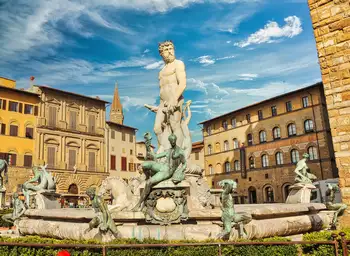
Rome
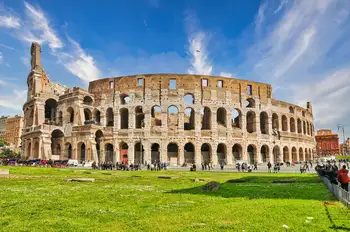
Rome, where three thousand years live on every single corner
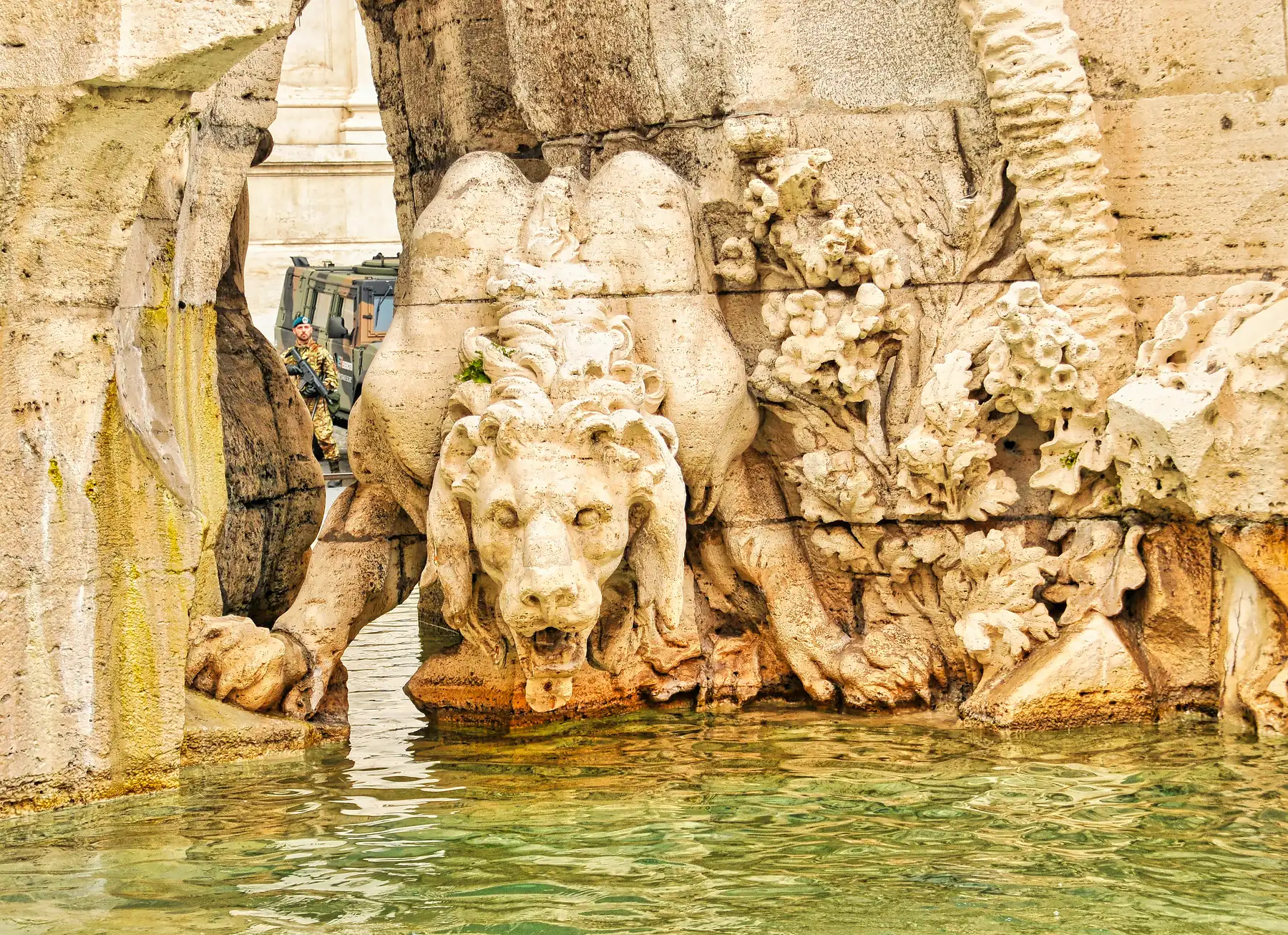
Where three thousand years pile up on every corner you turn
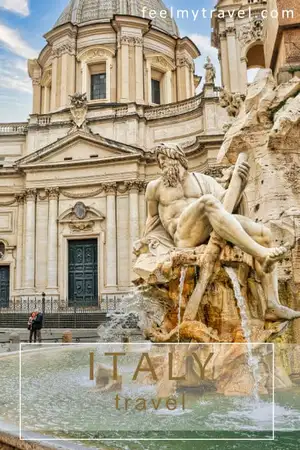
No country bears the burden of expectation more than Italy. You arrive with a lifetime of images already in your head: the ruins, the piazzas, the long lunches, the light on old stone, the plate of pasta that is supposed to change your life. Surely, you think, nothing could live up to all of that. And then it does. That is the quiet astonishment of Italy. It meets the dream, and then it hands you a hundred small moments you never imagined.
This Italy travel guide is not a list of sights to sprint between with a camera. It is what I wish someone had told me before I went. Because the real Italy is not only in its monuments, it is in the espresso taken standing at a bar, the grandmother watching the street from her window, the church you wander into by accident that takes your breath away, the way an ordinary Tuesday evening turns golden and unhurried.
In the pages ahead, I will tell you when to come, what it costs, how to move through it, what to eat, and the small things no guidebook bothered to mention. Italy does not ask to be rushed. It asks to be savored, the way Italians savor everything, slowly and with their whole heart.
The best times to visit Italy are the shoulder seasons of spring (April-June) and early autumn (September and October), when the weather is warm, and the light is beautiful, but the crowds and prices have not yet reached their peak.
Summer (July and August) is hot and busy, especially in the cities and on the coast. August is the trickiest month: not only can the heat be intense, but at Ferragosto in mid-August, many Italians shut up shop and rush to the sea, so some places may seem simultaneously jam-packed with tourists and strangely shuttered.
Spring offers blossoms, mild days, and the countryside at its greenest. Early autumn is a different story with the grape and olive harvests, warm seas, and a softer golden light, perhaps the loveliest time of all.
Winter is quiet and cool with far fewer visitors. Rome and the art cities have an atmospheric quality in the low season, and prices fall. Just expect shorter days and some seasonal closures in the coastal areas.
Italy offers very good value for money compared with other large Western European countries. Costs vary widely depending on where and when you travel. Rome, Florence, Venice, and the Amalfi Coast are by far the most expensive; southern Italy and small towns are 30 to 40 percent cheaper.
A backpacker can get by on €60 to €90 a day if cooking a little, eating at bakeries and other no-frills places, and using public transport. A midrange traveler would do well to spend €120-€180. Food is exquisitely cheap: an espresso at the bar for less than a euro, a slice of pizza or panino for a few euros, and a scoop of gelato for about three. A few 2026 notes to know.
Venice charges day trippers a €5-€10 access fee on 60 peak days between April and July; those staying at hotels are exempt. Most restaurants add a small coperto, or cover charge, of a euro or two per person. When paying by card, always choose euros, never your home currency.
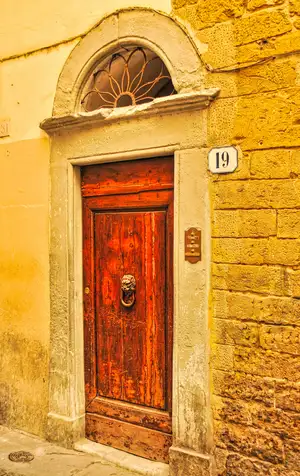
Many people's Italian journeys begin in Rome, and rightly so. It's a city you should visit once in a lifetime if at all possible. Three thousand years pile up on top of each other: you can be looking at an ancient ruin and then turn a corner and find a baroque fountain frothing away in a sleepy square. Give yourself time. Get lost.
Italy beyond Rome is almost impossibly rich. Tuscany unfurls its cypress-lined hills, vineyards, and art cities, with Florence at the heart – the place where the Renaissance began. Venice lolls in its lagoon to the north, a city of water and silence that has a touch of nowhere else on earth.
To the south, Naples fizzles with raw energy, birthplace of pizza, gateway to Pompeii, and the vertiginous Amalfi Coast. And there's always more waiting: the lakes in the north, the villages of Cinque Terre, the wild beauty of Sicily and Puglia. Italy gives you a different country in every region.
The majority of international visitors will arrive at Italy's main airport, Fiumicino (Leonardo da Vinci) near Rome, or at Milan's Malpensa, both of which are connected to cities around the world and served by budget airlines to destinations across Europe.
Italy has many other well-connected airports, such as Venice, Naples, Florence, Pisa, and Bologna, which may serve you better than Rome or Milan if you are heading straight to a particular region and are keen to avoid a lengthy onward journey.
From Rome's airport, a train service called Leonardo Express will take you to the central Termini station in around 32 minutes, much easier than battling the city traffic in a taxi.
Trains from other major European cities are also a good option to reach Italy, and getting there by train is a joy if you are already in Europe. Italy has high-speed and overnight train services to Paris, Zurich, Munich, and Vienna, with trains passing through the Alps en route. Tickets purchased via the Trenitalia or Italo apps, and regional tickets bought online, require you to check in digitally before boarding; otherwise, you could be fined.
Getting around Italy is a breeze, and often a scenic one too. The high-speed rail network is first-rate. Train travel between Italy's major cities is often faster than flying or driving, and usually a much more enjoyable way to travel.
Two companies operate the high-speed trains. State operator Trenitalia runs its Frecciarossa "red arrow" services, and the private Italo covers the same main routes. Both run trains connecting Rome, Florence, Venice, Milan, Bologna, and Naples at up to 300 km/h, making the trip from city center to city center in a couple of hours. Booking through their apps is easy. To get the best fares, it's essential to reserve early – as far ahead as 90 to 120 days.
Regional trains are slower but just as comfortable, though you'll need to validate your ticket or check in online to avoid a €50 fine. Buses and trams fill in the gaps. Rome, Milan, and Naples all have metros. The entire city of Venice is reached on foot and by vaporetto (water bus). The only time you need a car rental is to drive around Italy's countryside, Tuscany, the Amalfi Coast, or Sicily. The open road is part of the fun!
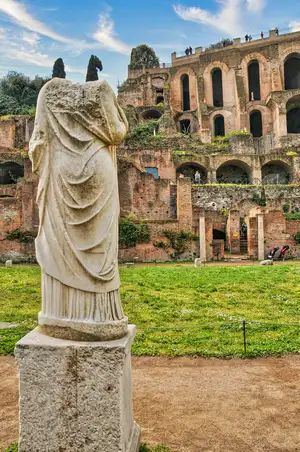
If you can see only one monument in Italy, it will almost certainly be the Colosseum, where the great arena resounds to this day with the echo of the ancient world.
But Italy has more treasures than almost any other place on earth. In Rome alone, the Pantheon has survived for nearly two thousand years with its dome open to the sky, the Roman Forum sprawls with the bones of an empire, and the Vatican houses St. Peter's Basilica and the Sistine Chapel, where Michelangelo's ceiling still arrests every visitor in silence. Don't forget to throw a coin into the Trevi Fountain while you're there.
Step outside the city, and the sites become even more numerous. Florence boasts Brunelleschi's colossal Duomo, Michelangelo's David, and the masterpieces of the Uffizi Gallery. Pisa tips its world-famous tower toward the grass. And just outside Naples, the ruins of Pompeii are suspended in time just as they were the day Vesuvius buried them. Italy does not enshrine its history behind glass. You walk straight into it.
Italian food is not just food. Its identity, memory, and love are plated up three times a day. And the one rule is this: you eat what's local, because Italy's regions fiercely protect their own traditions.
In Rome, it's pasta – carbonara and cacio e pepe. In Naples, pizza, the way it began, blistered and soft. In Bologna, ragù and fresh tagliatelle. Stick to the regional specialties, and you'll rarely go wrong.
Learn the rhythm of the Italian day. A coffee, taken standing at the bar, is a fraction of the price you'll pay sitting down. A cappuccino is for the morning only, never after a meal. Aperitivo, small bites with a drink, comes in the late afternoon as the day eases off. And dinner comes late and lasts a long time. And always, everywhere, gelato. The places to find it are the ones that keep it in covered metal tins, not piled in bright, fluffy mountains. That's where the real stuff is hiding.
Italy is a safe country. Rates of violent crime are low, though petty crime is frequent in the busiest tourist areas and merits your undivided attention.
Pickpockets work crowds around Rome's main attractions, on the Rome and Naples metros, on crowded buses (the Vatican-bound bus route is a particular hotspot), and around train stations. Keep your bag closed and in front of you at all times, and be extra vigilant in tight crowds, where a bump or a distraction is often a cover for a theft.
Near the big monuments: beware of the friendship bracelet, the petition, and the overly helpful guy at a ticket machine. A firm no and a brisk stroll past is enough. Tap water is plentiful and potable from the city's public fountains. Solo female travelers are very welcome here and tend to feel very safe.
Dress conservatively for churches. Sleeveless tops and short skirts will get you turned away at St. Peter's and most cathedrals, so bring a light scarf or something to throw on over your clothes.
Tipping is low. Service is often included, and the table is already covered by the coperto (cover charge), so just round up or leave a euro or two. Keep some small bills on you, too: small cafés, market stalls, and country restaurants will often only take cash.
Check in with a paper ticket or scan a mobile ticket for regional trains. Buy tickets in advance online for the big sights like the Vatican Museums, the Colosseum, and the Uffizi, or spend hours in line. Bonus points: Learn a little Italian. Buongiorno, grazie, per favore. They will get you indoors and smiles all over the city.
I expected beauty when I came to Italy. What I didn't expect was that it would feel so much like happiness.
But it was. Not just the monuments, though they were all that and more, but the everyday magic. Old men bickering happily over coffee. Tomato and basil perfume floating from an open window. Church bells chiming over the rooftops at dusk. No one, anywhere, who looked like they were in a hurry to be anywhere else.
On my last night, I sat in an empty piazza as the light turned gold and the swallows flew overhead, a glass of wine warming in my hand, and I had that familiar feeling of having to leave somewhere before I was ready. That feeling that part of me would be left there, at that little table, watching that piazza, long after the rest of me had returned home.
Italy does not simply present you with beauty; it shows you how to slow down and savor your own life. Go. Let it. And don't be surprised if, somewhere between the espresso and the evening light, it doesn't quietly become a part of you.
If you go, allow it time. Allow it to be grey. Allow it to be quiet. Allow it to surprise you the way it surprised me. And do not be surprised if, at some point, it begins to feel like home.