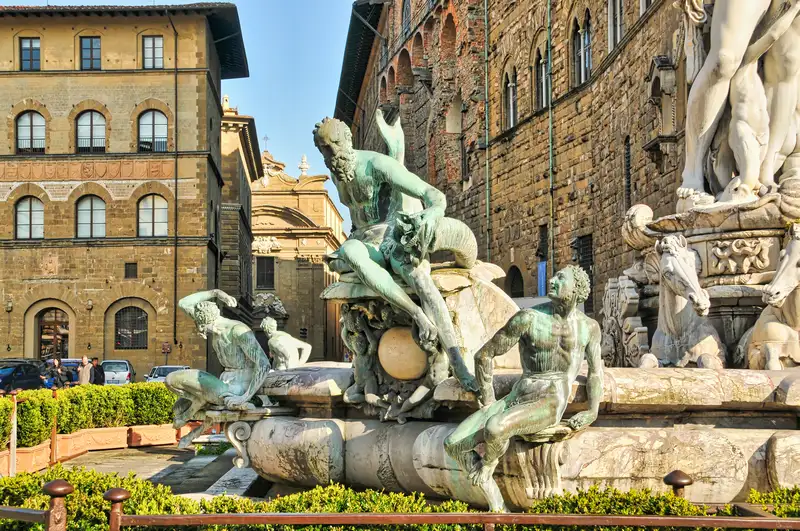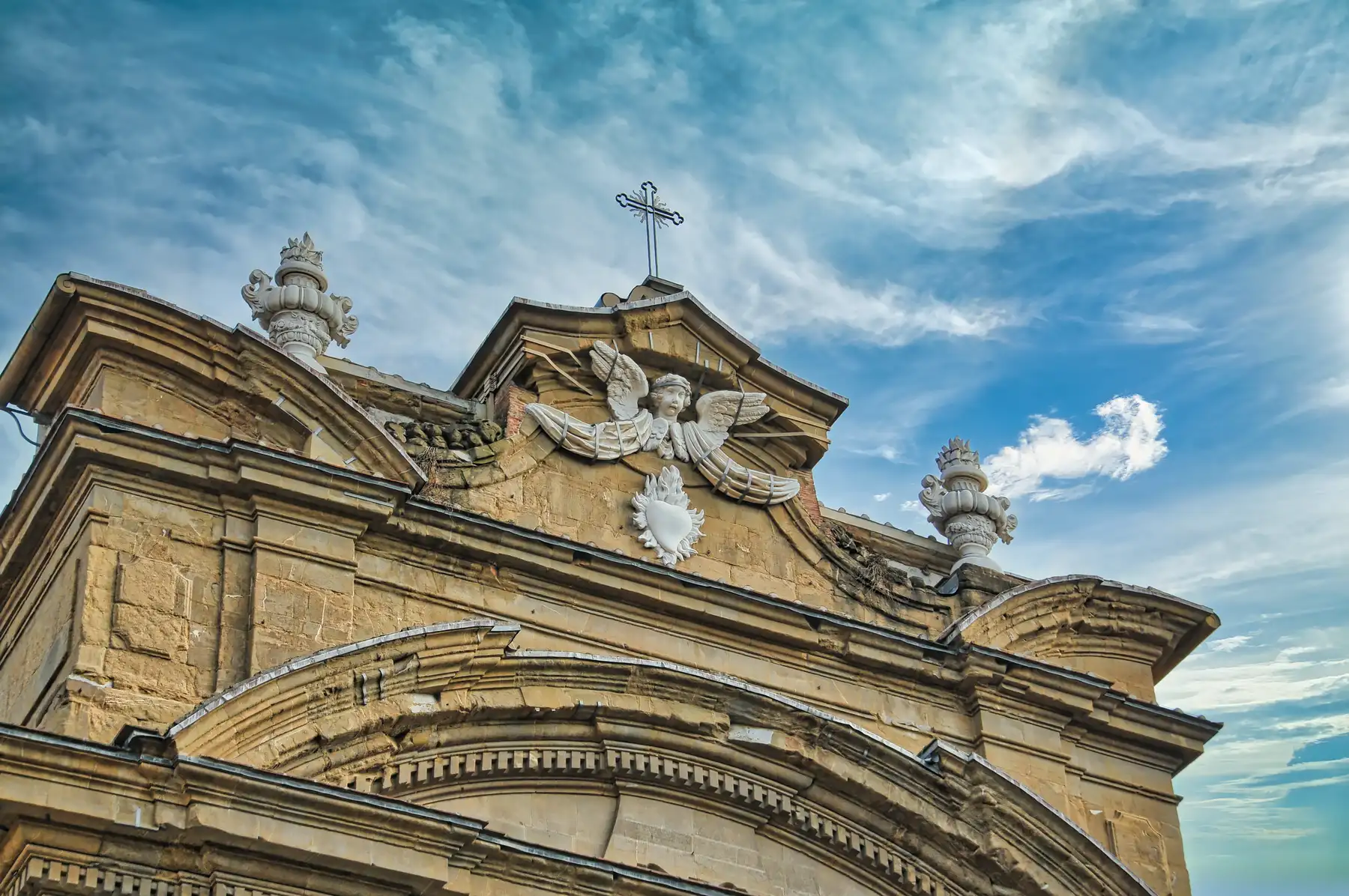
By mid-morning, the line outside the Accademia snakes around the corner. By noon, the stone gives back your heat. This is the Florence most people first meet. It can make you feel like you made a mistake coming. So let me answer the question you really came with. Is Florence worth visiting? Yes, though only on the condition that you let it slow you down.
Florence does not reward a jam-packed schedule. She gives her best to the long lunch and the wrong turn down a narrow street. Some of my favorite hours here were ones I never planned.
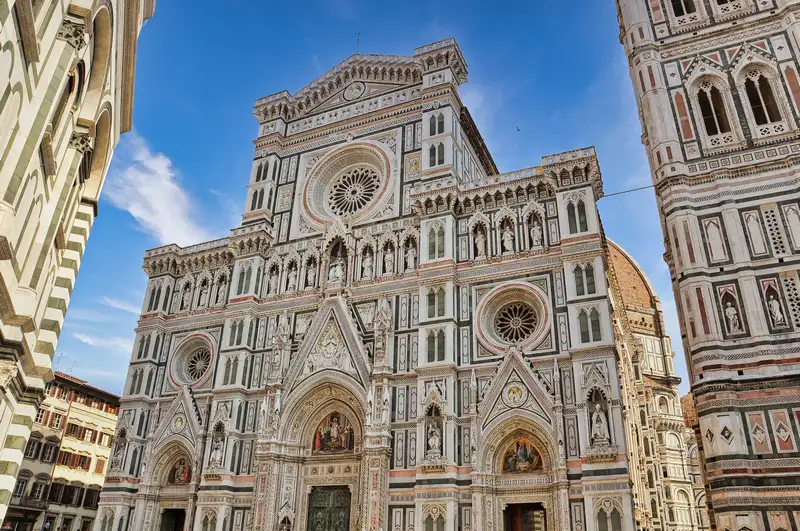
Table of Contents
What makes Florence different from other Italian cities?
Florence is different because it is small and because almost everything in it leads back to one moment in time. You can walk across the old center in twenty minutes. In that tiny area, in that brief walk, is more Renaissance art than some entire countries possess.
Rome sprawls across the centuries and keeps you jumping between them. Venice is canals, water, and pleasant disorientation. Florence is tighter than either. It is one concept, created in stone and paint, repeated block after block until it ceases to feel like tourism and begins to feel like climate.
An entire city created in a single moment of inspiration
The things you will fall in love with here burst out of about a hundred and fifty years. The Duomo and the David and the paintings in the Uffizi and the bridges and the chunky stone palaces, all of it erupted from the same window of money and power and ability.
To walk through Florence is to walk through that moment on the street level. The structures have barely changed since. You can stand in the same spot as Brunelleschi and crane your neck up at the dome he brawled into existence.
The weight of so much beauty in so small a place
The intensity is not a myth, and it disorients people. So much concentrated beauty in so small a place can be demanding. Combine that with the crowds in the summer and the heat that bakes between the buildings, and a day in Florence can exhaust you in a way you do not anticipate. This is not a flaw to avoid. It is the city being itself. Knowing it in advance changes your trip, because you stop trying to do everything and start selecting what is important to you.
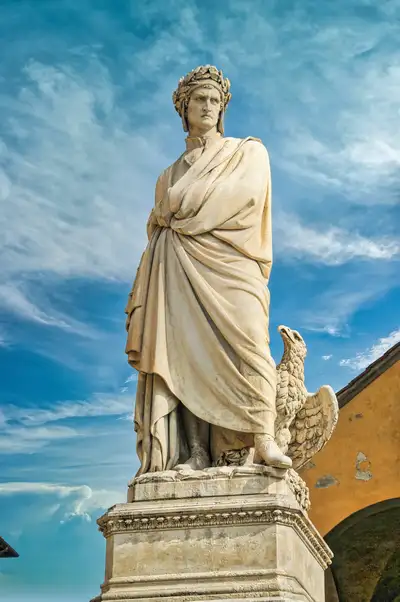
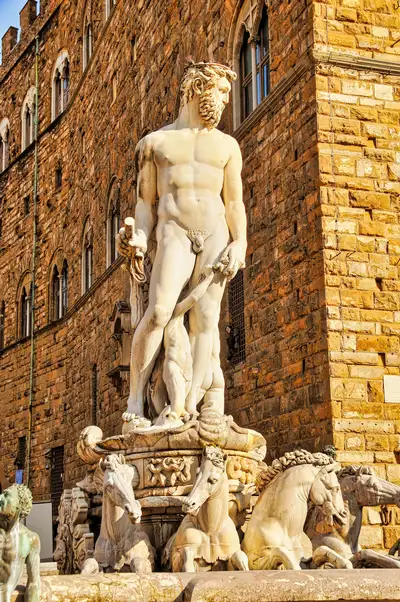
The story behind every wall in Florence
Florence was a Roman town and, centuries later, the birthplace of the modern concept of art. The potted history runs from soldiers to bankers to artists, and the city still has all three.
Where it all began, a garrison by the Arno
Florentia was founded by the Romans as a town for retired soldiers in 59 BC. The Etruscans had had a settlement on the Arno before them, but the Romans set out their streets in a clear grid, and the basic pattern is still there in the center, even if you can't see it.
Piazza della Repubblica is where the forum was. Florence was just a relatively unimportant crossing point on the road north for a very long time, but it kept its Roman city structure through everything that happened on top of it.
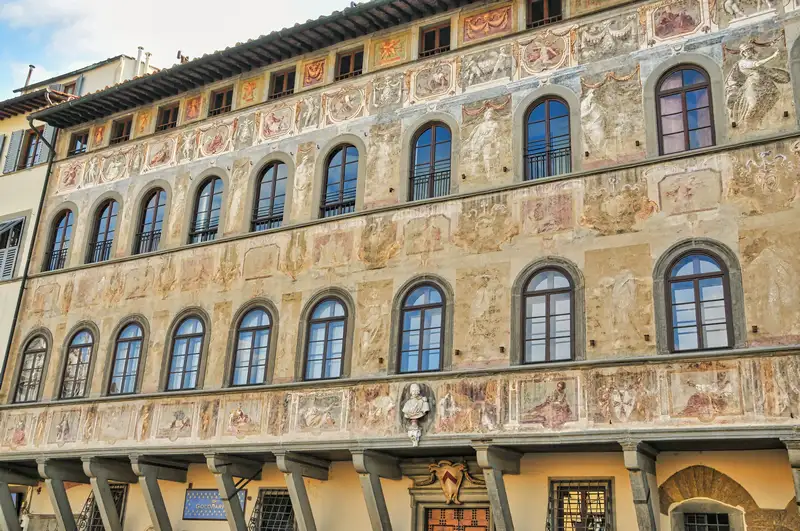
The Medici and the fortune that bought the Renaissance
Florence was a city that got rich on wool and banking long before it became famous for art. By the 15th century, a single family, the Medici, controlled the largest bank in Europe and most of the city's administration as well. They spent the money on artists.
Cosimo de' Medici and later his grandson Lorenzo sponsored the work that we now travel halfway around the world to see. Without the bank, there is no dome, no David in the shape we know, no Botticelli on the walls of the Uffizi. Beauty and money are the same story here.
Savonarola and the shadows over the golden city
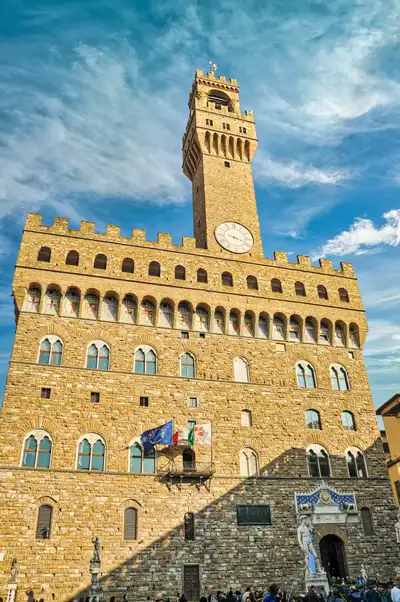
Florence was not a comfortable city to be a part of during these times. A friar called Savonarola took control of the city in the 1490s and made people bring their books and paintings to the main square to burn them, before the city turned on him and burned him on the same spot.
Half a century before, the Pazzi family had tried to murder the Medici brothers while Mass was in progress inside the cathedral and had only just failed. The plague had come more than once and severely reduced the population. The art came from a city that knew fear.
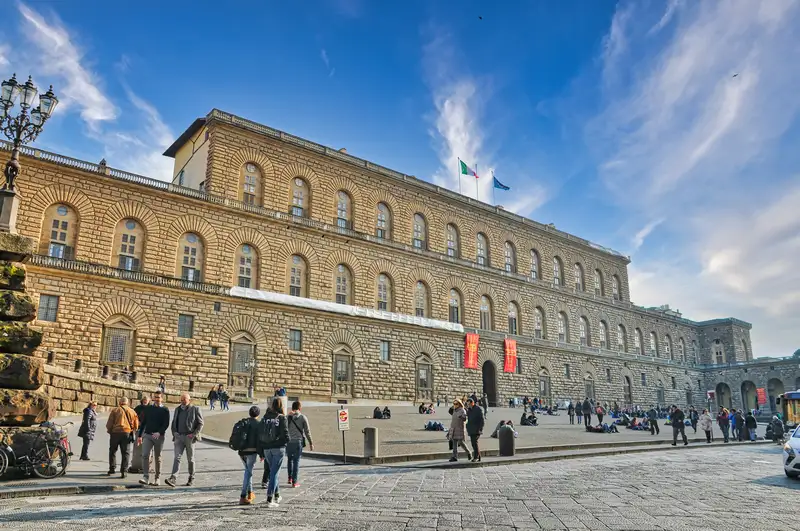
What are the must-see sights in Florence?
What you have seen in photos is worth seeing for real, and most are within walking distance of each other. I will keep this section brief, since each of them really merits its own page.
The Duomo and Brunelleschi's dome
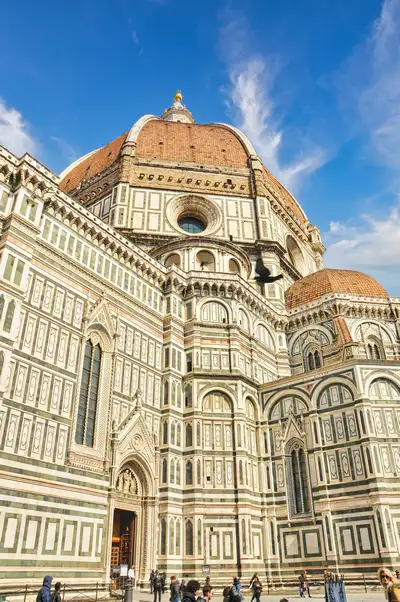
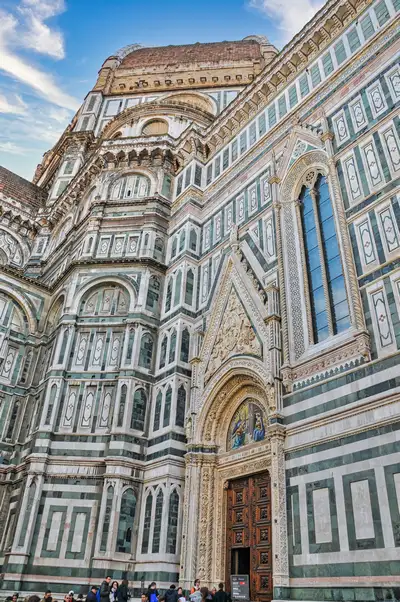
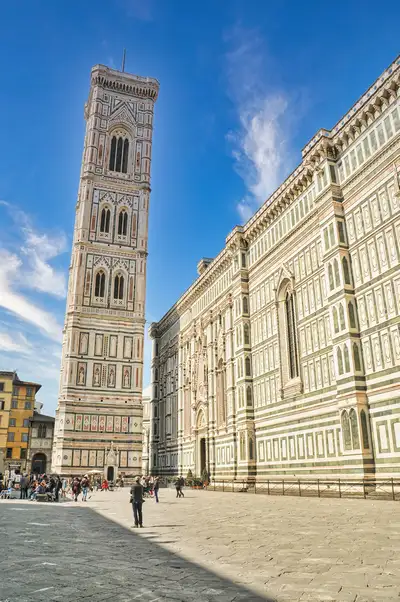
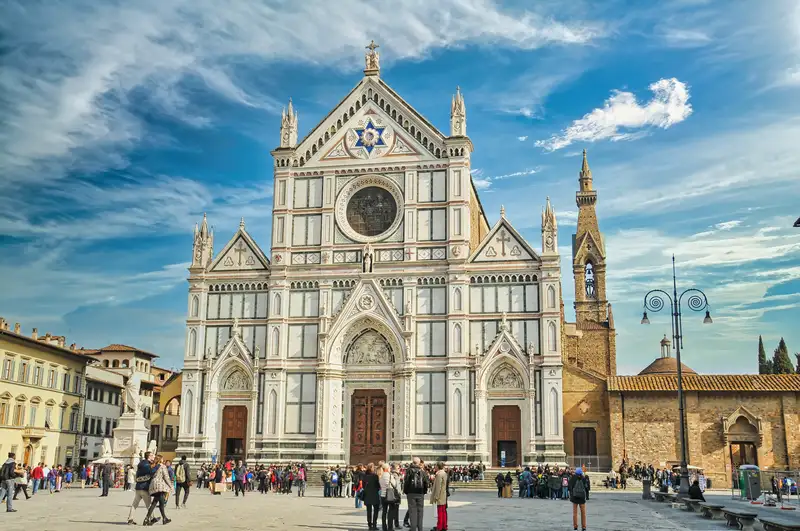
Florence's cathedral, in its green, pink, and white marble skin, is the thing that makes you stop in the first place. Brunelleschi's dome was the largest of its kind for centuries, and he built it without the scaffolding everyone said he would need. It has 463 steps inside the double shell to the top, and the view is worth the sweat of the climb. But it is not for the faint-hearted or claustrophobic.
The Uffizi and the Accademia
These two hold most of the art that most people come for. The Uffizi has gallery after gallery of Renaissance painting: Botticelli, Leonardo, and more than you can take in at one sitting. The Accademia is small and built around one thing: Michelangelo's David, who is larger and stranger and more alive than any photo can prepare you for.
Ponte Vecchio and the Arno
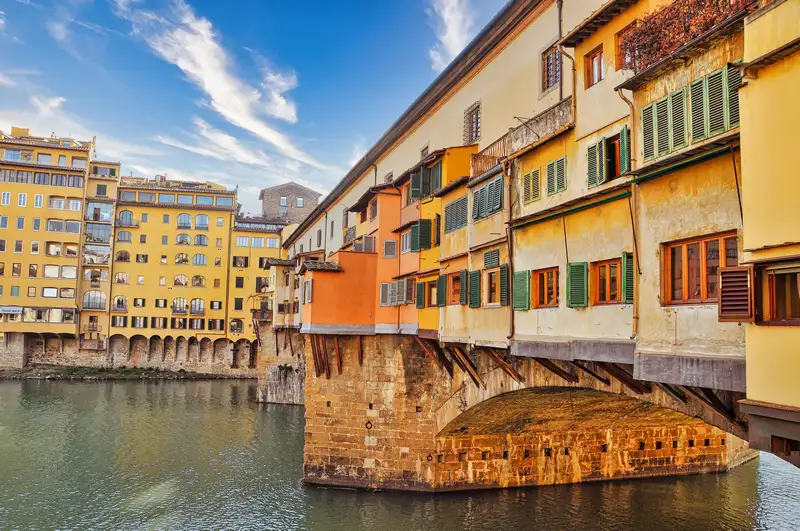
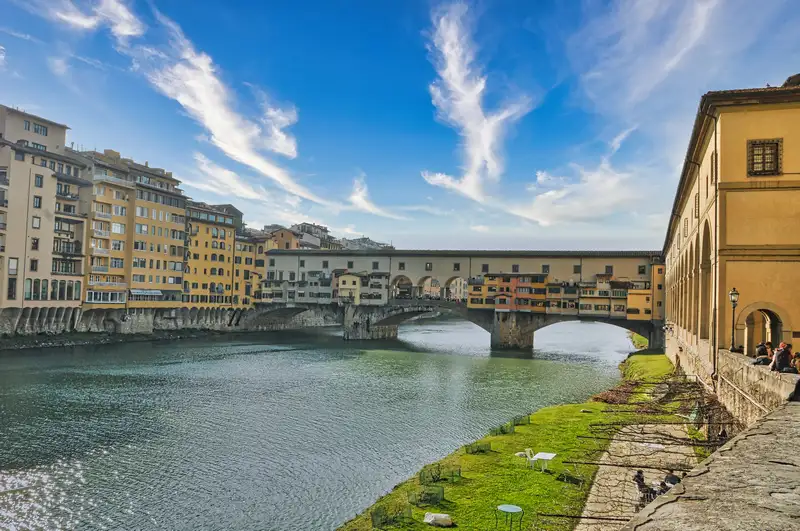
The old bridge lined with jewelers' shops is the postcard, and it stays busy from morning until night. I liked it better from a little way off, from the Ponte Santa Trinita just downstream, where you can see the whole row of tiny shops hanging out over the water. The river itself is quiet, slow, and easy to forget once you start looking for it. Late in the day, the Arno turns the color of the sky.
Piazzale Michelangelo, where all of Florence opens up
For the view of the whole city, you climb to Piazzale Michelangelo on the south side. It is a steady walk uphill, and busier at sunset than at any other time. The reward is the full sweep of Florence below you, the dome rising over the rooftops, the hills sitting behind it. You need to come a little before the light goes if you want a place at the railing.
The quieter Florence, away from the queues
The Florence I like best is the one on the other side of the river, away from the queues. Head over any bridge, and you'll be quiet again within a few streets.
Oltrarno, where the city still feels like home
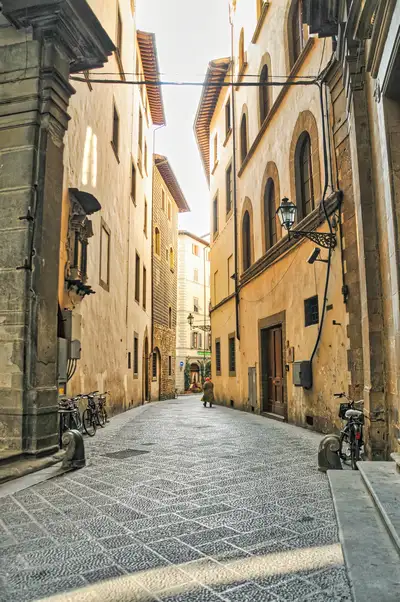
Oltrarno means "across the Arno," and here the city feels lived in. Artisans still work leather, wood, and gold in small workshops on the ground floor, their doors open to the street, the way they have for generations.
The heart of it is Piazza Santo Spirito, a plain square in front of a plain church that fills up in the evening with people drinking, talking, and sitting on the steps. It is the closest thing Florence has to a living room.
San Niccolo, easy to miss and hard to forget
East of there, tucked under the hill, is San Niccolò. It is smaller, greener, and easy to miss. The streets are narrow and quiet, and there are old city gates still standing at each end. From here, you can start the climb up towards the hills, past gardens and stone walls, to the church of San Miniato al Monte. The church is older than most things down in the center, and the singing at the evening service stays with you long after.
Wine windows and artisan workshops
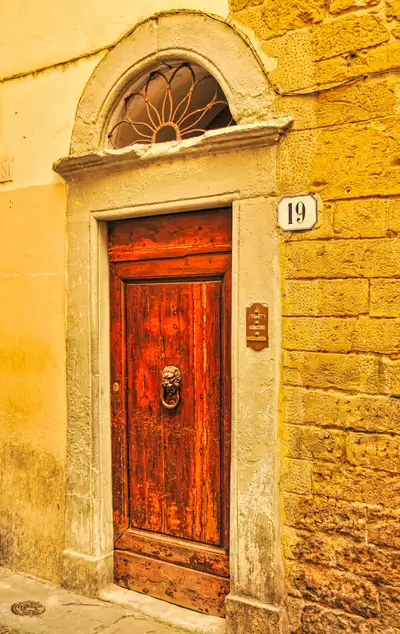
Keep an eye out for small arched openings cut into walls at about waist height. These are wine windows, through which shops used to sell wine directly to the street centuries ago. A few have started doing it again.
They are all easy to walk straight past. Florence is full of small things like this if you stop chasing the famous ones. A morning of wandering back streets with no plan taught me more about the city than any gallery.
What is the food like in Florence?
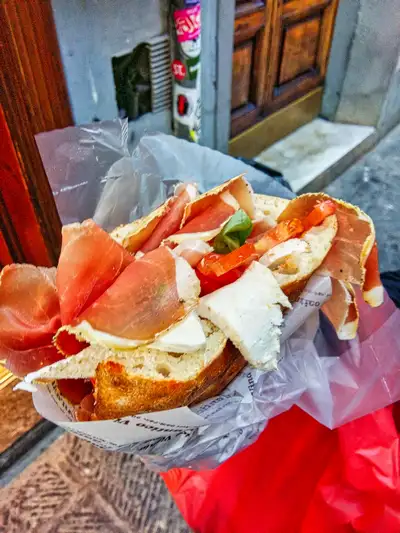
Florence's food is simple, it is heavy, it is designed for cold winters in Tuscany, even if you have it in July. It is bread, beans, and good meat, not subtle cooking.
Bistecca alla Fiorentina, the steak you remember
The star is a thick steak from a local breed of cattle, grilled over a wood fire, served rare, and sold by weight. Order one, which is usually enough for two. It is the dish most visitors recall.
Ribollita, the warmth of a Tuscan winter
Ribollita is a thick soup of bread, beans, and winter greens, the kind of dish that comes from wasting nothing. Also, try pappa al pomodoro, a soft tomato-and-bread soup that is far better than it sounds.
Real gelato, fresh and quite in color
Gelato has its origins here, and the best places still make it fresh, in small batches and without the screaming colors. Avoid the tubs piled high and bright near the main squares. Seek out muted tones and short flavor lists.
Aperitivo, the city's quiet pause
In the early evening, Florence comes to a halt for aperitivo, a drink with a few nibbles before dinner. Santo Spirito is the easiest place to join them.
The best escapes into Tuscany
Florence lies in the center of Tuscany, so some of the best days of your trip may be the ones you spend on your way out of it. Most are reachable in well under two hours by train or bus.
The big one is Siena, a medieval hill town that clings to a shell-shaped square that tilts gently downwards. You can do it in a half-day if you really must, but it's at least a full-day outing.
Pisa has its leaning tower and not much else, although it makes a good double-act with Lucca, a walled town where you can ride around on the top of the old ramparts.
San Gimignano is the town with the stone towers poking up vertically out of the vineyards. For wine, you head into Chianti, the rolling hills that lie between Florence and Siena.
And for the easiest escape of all, a short bus ride takes you up to Fiesole, the old town on the hill above the city, where you can get cool air and a long view back down over the rooftops.
Planning your way into Florence
Florence benefits from a little forethought, mostly so you spend less time in line and more time meandering.
The seasons of Florence, and when to come
The best times to visit Florence are spring and autumn, from around April to early June, and then again in late September until the end of November. The weather is pleasant, and the crowds, which are never fully absent, are far more tolerable.
Summer is hot and very busy, with July and August the worst for both. Winter is cold and quiet, with short days and few people, and there's something lovely about the city in winter, under a leaden sky with not a queue in sight. If you have a choice, plan for the shoulder months.
How long to linger in Florence
Three full days are the magic number for a first visit. That gives you time to do the two main galleries, the Duomo complex, a lazy afternoon on the other side of the river, and an outside day trip, all without feeling rushed. Two days is possible if you are short on time, but it's going to feel like a squeeze. A fourth day gives the city a chance to catch its breath. For a full breakdown, see how many days are in Florence.
Moving through Florence, slowly
You get around Florence on foot for almost all purposes. The center is small and mostly closed to cars, and walking is faster than any other method of transport. Wear shoes you can walk a lot in, because the streets are paved with irregular, worn flagstones. Do not drive into the center, as it is a limited-traffic zone and they will fine you a few weeks later by post. For day trips, the main station is in the center and easy to use.
Where to stay, and what each side offers
Stay in the historic center if you are visiting Florence for the first time and want everything within walking distance, or on the other side of the river in the Oltrarno if you would prefer a quieter evening and more of a local atmosphere.
The former places you a stone's throw from the main sights, but it costs more and is busier in the evenings. The latter is only a short walk from anywhere and far more sedate when the day trippers leave. Whichever, Florence is small enough that you are never more than a ten-minute walk from anywhere.
Quick answers to common Florence questions
Is Florence worth visiting if you don't like art?
Yes! Florence is a joy with its narrow streets, delicious food, views, and long evenings by the river. You can spend the entire trip without waiting in any museum lines.
How many days do I need in Florence?
Three days is a good amount for most people on their first visit. It gets you around the main sights at a relaxed pace and allows for a one-day trip out into the Tuscan countryside.
Is Florence expensive?
Florence can be on the pricey side, with the museums, hotels, and restaurants in the city center and around the main piazzas. You can slash the budget by eating where the locals do, off the beaten path, and by finding accommodation a little further from the center. A simple lunch and a gelato are very affordable. It's those big tickets that stack up.
Is Florence a walkable city?
Florence is one of the most walkable cities you can visit. You can cross the historic center in twenty minutes on foot, and the vast majority of major sights will be within that radius. I found that comfortable shoes were more important here than any transport pass.
Is Florence safe to visit for solo travelers?
Florence is generally a safe city for solo travelers, day and night, in the main center. The usual precautions apply in crowds and at the busier bridges, where pickpockets operate. I found it peaceful to walk alone in the evenings, even on the more deserted streets over by the river.
Is Florence or Rome a better first visit to Italy?
It depends on what you're looking to get from the trip. Rome is larger and louder and sweeps over more history, so it's a trade-off of calm for scale. Florence is smaller and more manageable to absorb over a few days. It also lends itself to a slower pace. If you want a first taste of Italy that doesn't cover too much ground, many people find Florence the gentler city in which to begin.
The feeling you take home
If you're still wondering whether Florence is worth visiting, here is the honest answer. Yes, though maybe not for the reasons the guidebooks tell you. See the David and climb the dome, of course. But the Florence I miss is none of those things.
It's a low wall above the Arno on my last evening in the city, the sky turning from gold to a deep and tired blue, my list for the day given up on hours before. A bell started somewhere behind me. Then a second, and a third, until the whole city seemed to be ringing, and no one around me made any move to leave. I stayed on that wall until it was dark and the lamps along the river came on. Give Florence its art and its long, hot, crowded afternoons. Then save one evening for nothing at all, and see what the city leaves you with.