
Berlin
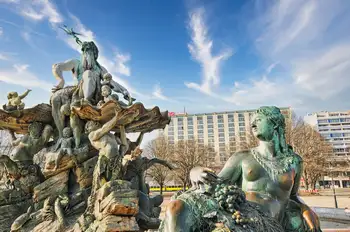
Berlin, rebuilt, reinvented, and endlessly alive with restless creative energy.
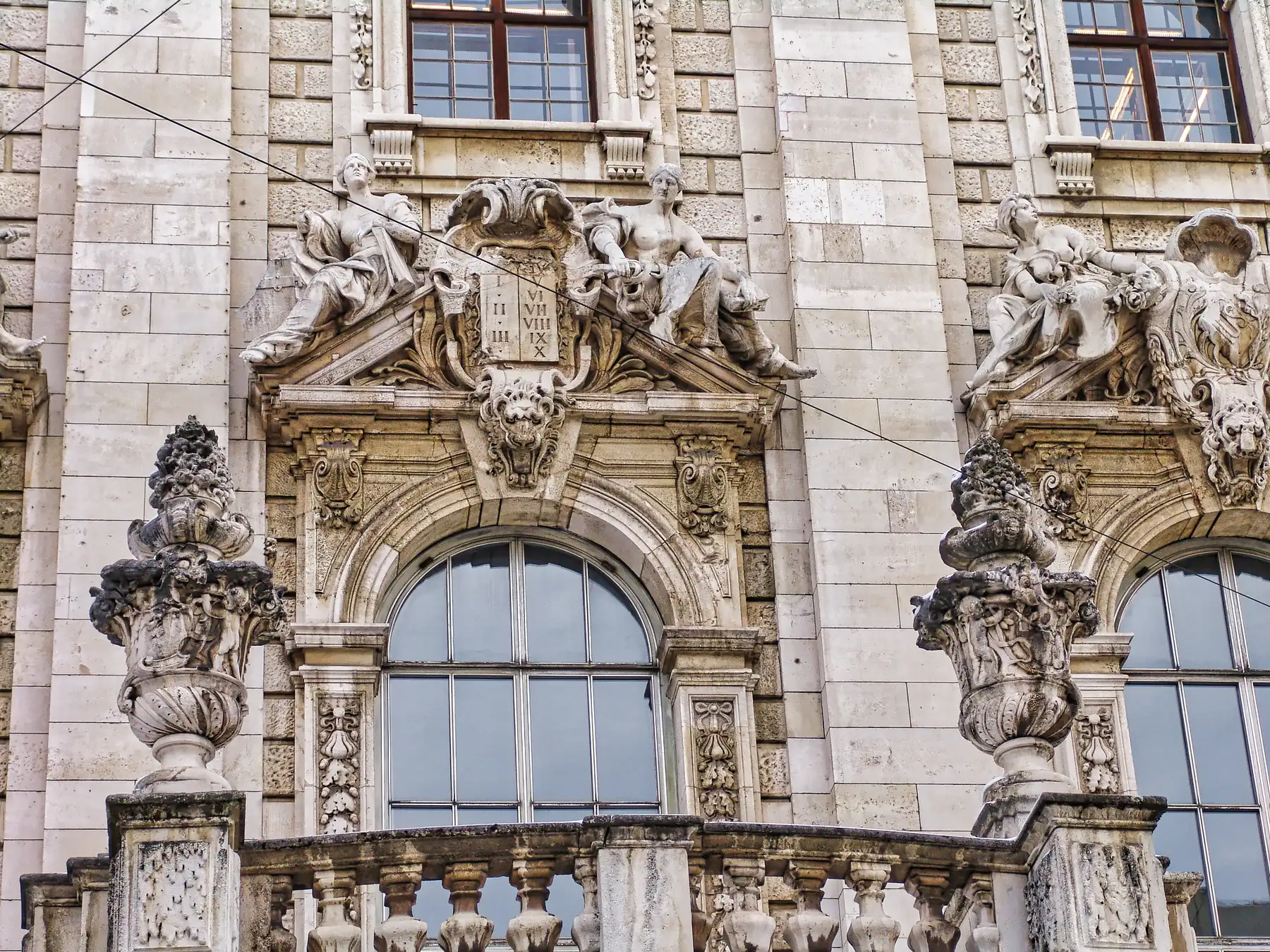
Fairy-tale castles, deep forests, and history carried with rare honesty
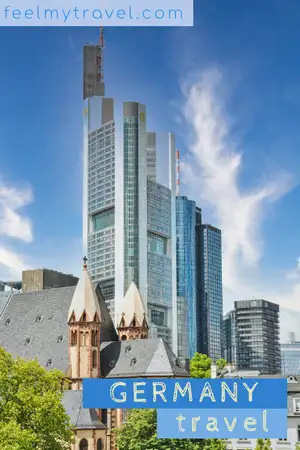
Everyone has an idea of Germany before they visit. Order and efficiency, on-time trains, a grave sobriety in the air. Parts of that are true. But it is not what stays with you.
What stays with you is softer and stranger than the reputation implies. It is a beer garden beneath chestnut trees on a long summer evening. It is a forest so deep and quiet you half expect a fairy tale to emerge, because the fairy tales were written here. It is a city that bears its history on its sleeve, without flinching, and for that reason alone feels more alive than most.
This travel guide to Germany is not a list of sights to tick off. It is what I wish someone had told me before I went. Medieval towns and brash modern art, grave remembrance and easy warmth, dark woods and bright river valleys.
The best time to visit Germany is late spring (May and June) and early autumn (September and October). The weather is mild, nature is at its peak, and the biggest crowds are gone.
Summer (July and August) is warm, vibrant, and full of festivals, open-air concerts, and long evenings in beer gardens. It is also a great time to visit, but the tourist hotspots and the Alps become busy, and prices are high.
If you are in Munich in late September, you'll be able to enjoy Oktoberfest, which continues into early October. Autumn is marked by grape harvests in the Rhine and Mosel valleys, golden forests, and a sense of calm.
Spring brings new life, blossoms, and reopened café terraces. Winter is cold and sometimes grey, but December has its own magic. Christmas markets fill old town squares with the scent of mulled wine, roasting almonds, and gingerbread, and the whole country lights up against the darkness. Just bring plenty of warm layers.
Prices in Germany are moderate, below those in Switzerland or Scandinavia, about the same as in Austria or the Netherlands, a bit higher than in Spain or Portugal. For a rich Western European country, it offers good value for money. A budget traveler can get by with about €60-€90 per day if staying in hostels or simple hotels, eating at bakeries and street stalls, and using public transport.
A mid-range traveler should plan to spend €120-€180 per day to stay in comfortable hotels and eat sit-down meals. The cost of living in the different cities varies quite a bit: Munich, for example, is significantly more expensive than Berlin, Leipzig, or Dresden. Food is often a real bargain. A bakery breakfast or a döner kebab will set you back only a few euros. A filling meal at a traditional gasthaus will cost between €12 and €20. Beer, of course, is often cheaper than soft drinks.
A couple of other things to bear in mind: for paid sights (such as Neuschwanstein Castle, around €20), it is a good idea to book well in advance. When paying by card, always choose to be charged in euros, not in your home currency.
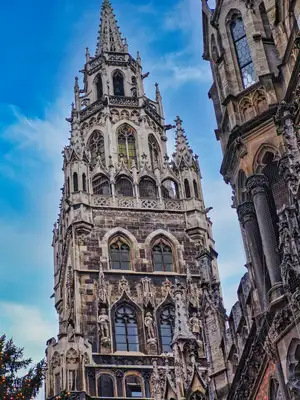
Berlin is where most journeys start. It's a city that wears its scars on its sleeve, a city where history sits on every street corner and art, music, and restless creative energy fill the space between. Let it work on you. Berlin won't let itself be discovered in a day.
Germany beyond Berlin, though, is a land of astonishing variety. Bavaria in the south is the Germany of the imagination: Munich and its beer gardens, the snow-capped Alps, and fairy-tale castles above the valleys. The Rhine Valley meanders past terraced vineyards and hilltop castles, which are best seen slowly, from the deck of a riverboat.
Black Forest in the southwest is all dark woods, cuckoo clocks, and sedate spa towns. And there is always more waiting: Hamburg and its harbor and canals, Cologne with its great cathedral, Dresden reborn in baroque splendor. Germany gives you a different country in every direction.
By far the majority of international visitors will enter through one of Germany's big three airports: Frankfurt, the largest and busiest, and Munich and Berlin Brandenburg (BER). They are all connected to destinations around the world, and budget airlines serve them from across Europe as well.
Frankfurt has the added advantage of its own long-distance train station, located literally under the airport terminal. It's possible to step off the plane and be on a high-speed train to almost anywhere in Germany within minutes.
For those already in Europe, traveling to Germany by train is easy and enjoyable. Quick, comfortable connections run to Paris, Amsterdam, Brussels, Zurich, Vienna, and Prague, from city center to city center, avoiding the airport altogether. Once there, it's easy to get into the city: Frankfurt, Munich, and Berlin all have train or S-Bahn connections that take 15 to 45 minutes and cost much less than a taxi. Purchase a ticket from the machines or from the DB Navigator app before boarding.
Getting around Germany is easy, thanks to one of Europe's densest transport networks. You won't need a car for most journeys. The national railway, Deutsche Bahn (DB), operates the high-speed ICE trains between major cities, which are often quicker and more comfortable than flying.
Book through the DB Navigator app and reserve early to get the cheaper Sparpreis fares. For regional travel on a budget, the Deutschland-Ticket (€63 per month in 2026) lets you travel unlimited on all local and regional transport all over the country, though not on the fast ICE and IC trains. For a longer stay, it is an unbeatable value.
FlixBus and Flixtrain operate only a limited number of routes across the country, offering the cheapest long-distance trips. In cities, the U-Bahn, S-Bahn, trams, and buses are clean, frequent, and reliable, with single tickets priced at about €3- €4 and day passes good value.
A rental car comes into its own on the Romantic Road, the Black Forest, and in rural Bavaria, where the Autobahn and the little village roads are part of the pleasure.
If you visit only one monument in Germany, it will almost certainly be the Brandenburg Gate in Berlin. A monument to division, and then to reunification, it is a symbol of the nation that will still give you pause to walk beneath. But Germany's monuments aren't all about being big and famous. They're also about memory, and they're told with a rare and moving honesty.
The relics of the Berlin Wall and East Side Gallery, the Reichstag with its glass dome, the somber Holocaust Memorial - they all ask you to remember rather than admire. A short walk away, Museum Island has some of the finest collections in Europe. The marvels get older and softer once you venture out of the capital.
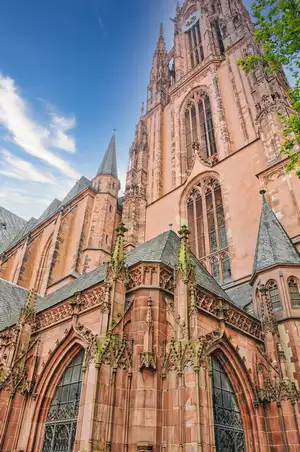
Cologne Cathedral hammers into the sky in soaring Gothic stone, the result of centuries of building. Neuschwanstein in the Bavarian hills is a fairy-tale castle so famous that it inspired a Disney palace. And in Dresden, the Frauenkirche rises again, a quiet miracle of a church painstakingly rebuilt from rubble. Germany wears its whole history, the beautiful and the painful alike. You only have to look.
German food is honest and hearty. It's made for good company. It doesn't fuss, but it satisfies in a way that lingers long after the plate is clear. Start with the bread because the Germans take it seriously: hundreds of varieties, a bakery on almost every corner.
Then work your way through the classics. The pork schnitzel is crisp and golden. The plate of sausages with mustard. Tender pork knuckle with dumplings. The late-night döner kebab Berlin made its own.
But the heart of it all is beer. This is a country where beer is brewed with centuries of pride. A summer evening means a long wooden table in a beer garden under the trees, a cold half-liter in hand. Strangers becoming friends across the bench. Try the crisp Riesling from the river valleys instead. Sit. Order another round. The evening is in no hurry. And neither should you be.
Crime is rare in Germany compared to the rest of Europe. Violent crime is unusual, and even the biggest cities feel very safe at night. For visitors, the main issue is theft. Pickpockets operate in crowded areas: major train stations, busy tourist attractions, and during big festivals, such as Oktoberfest, when crowds combine a sea of drunken bodies with beer, making them ideal targets. Just keep your bag closed and stay alert in large crowds.
All German cities have proper bike lanes. Usually, they are red on the ground, and cyclists zoom past on them. The cyclists are extremely fast and will expect those lanes to be clear. Inattentively wandering into one is a standard tourist error. Tap water is drinkable everywhere. Solo female travelers will have no problems at all.
Have some euros in your pocket. Card payments have caught on in Germany in the last few years, but many bakeries, bars, and corner shops still prefer cash, and a few will accept nothing else.
Pretty much everything is closed on Sundays. Shops, supermarkets, and many services observe the day of rest, so you'll need to do your shopping on Saturday. Restaurants, cafés, and museums are typically open.
Tipping is straightforward and modest. Round up or add about 10 percent and announce the total to the waiter as you pay, rather than leaving coins on the table.
Don't cross the road until the green man comes on, even if it's empty. And learn a few words: hallo, danke, bitte. They're small, and they're always welcome.
Germany is a country that repays visits. It's not a place to knock your socks off at first sight – in fact, quite the opposite – but its modesty, once past that first impression, is its real beauty. The more you see, the more you find: the rich history of Berlin, fairy-tale castles and beer gardens in Bavaria, vineyards and ancient towns along the Rhine, the deep silence of the Black Forest.
What makes it particularly special is its balance. There are few places in the world that combine world-class cities, dramatic scenery, fantastic food and beer, and seamless transport quite like this. And even fewer that do it at such a good value. It is easy to travel, easy to enjoy, and easy to go back to.
Above all, Germany is a country that has faced its past honestly and head-on, but also one that lives in the present. That sense of honesty, coupled with a real warmth once you get past a certain reserve, is what lingers with most visitors after they have left.
Take the trains, linger in the beer gardens, walk the forest paths, and don't just visit the big cities; give the small towns a chance. And come with an open mind: Germany will give you far more than its reputation suggests.
If you go, allow it time. Allow it to be grey. Allow it to be quiet. Allow it to surprise you the way it surprised me. And do not be surprised if, at some point, it begins to feel like home.