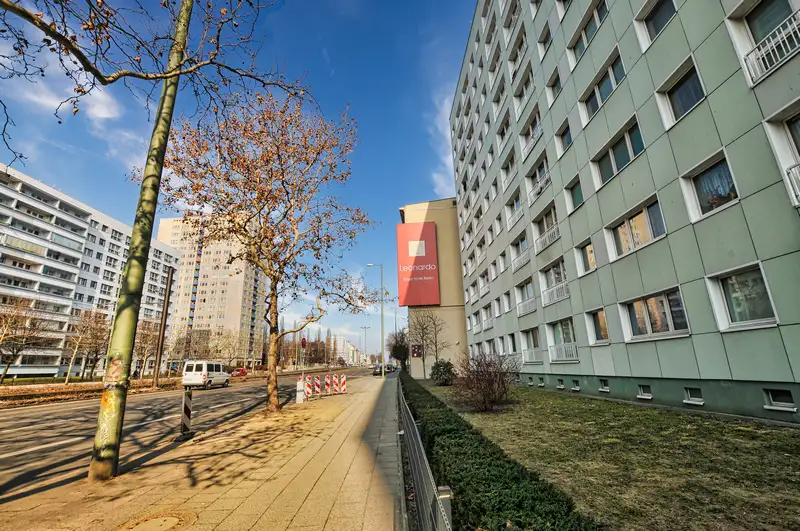
Is Berlin worth visiting? Yes, but it's not a city that charms you right away. Berlin is not a beautiful city in the traditional sense. You won't find yourself being handed a postcard scene around every corner like you might in Paris or Prague.
Berlin is grey, flat, spread out, with lots of concrete and graffiti. And yet it stays with people long after they've left. The reason is its history. Few cities in Europe have seen as much in such a short time, and Berlin displays it all, out in the open. This guide will tell you about the city's highlights, the best things to see, where to stay, how long to stay, and whether it's the right fit for your type of trip.
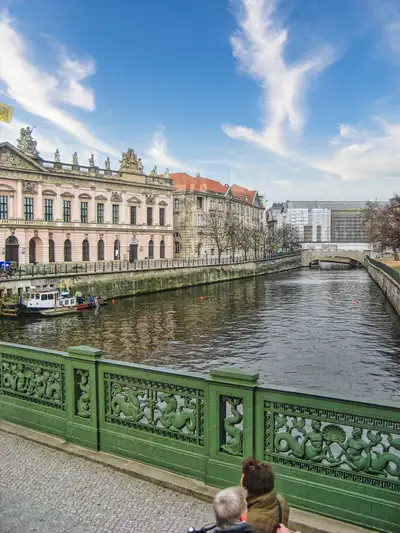
Table of Contents
Why Berlin stays with you
Berlin is a European capital city that might not win your heart on first glance. The real beauty of this historic metropolis comes with patience, and open-minded travelers are well rewarded for it. Berlin is a serious place with a lot of history on its conscience. Most of that history is written on walls and buildings, and you can feel it in every step you take through the streets.
A capital with a different heart
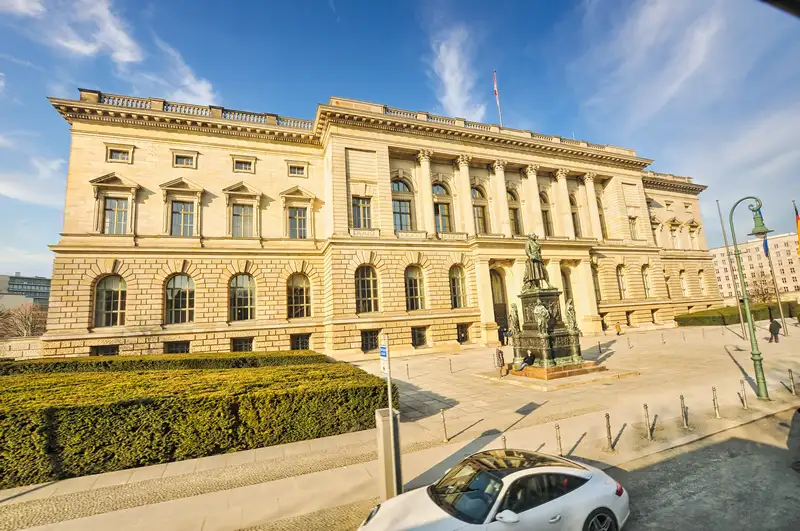
For starters, Berlin is much younger than most other major European capitals. As the UK’s Independent writes, "other cities evolved slowly, over centuries, while Berlin has been broken and rebuilt several times in recent history." That goes a long way in explaining why it's different. Berlin was bombed in the war, then separated by a wall, and stitched back together within living memory. History was a living, breathing thing here.
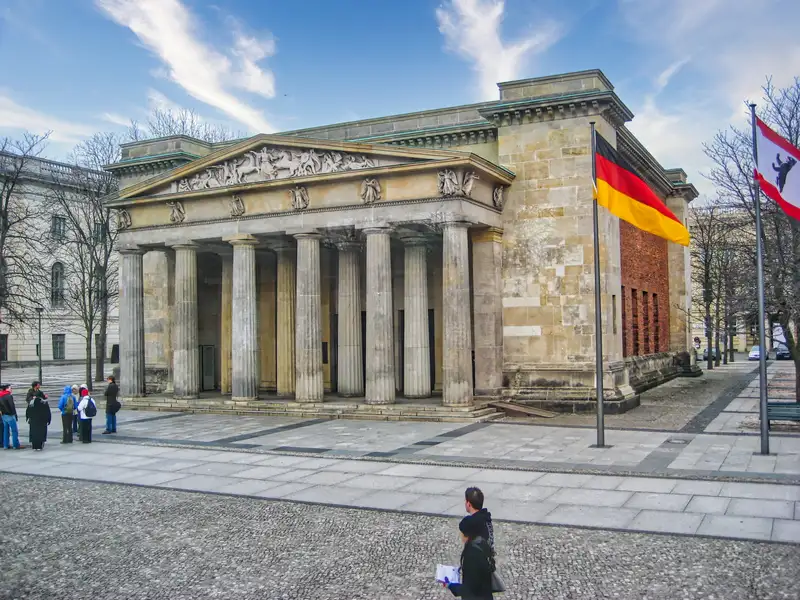
In other European capitals, you see buildings from many different historical periods all mixed in an old city center. In Berlin, you get stark contrasts. You'll see a grand old building next to a boring 1970s block with no rhyme or reason. Empty spaces where a wall or death strip once ran. The city doesn't put its history behind glass. It is out there for everyone to see.
Who falls for Berlin, and who walks away
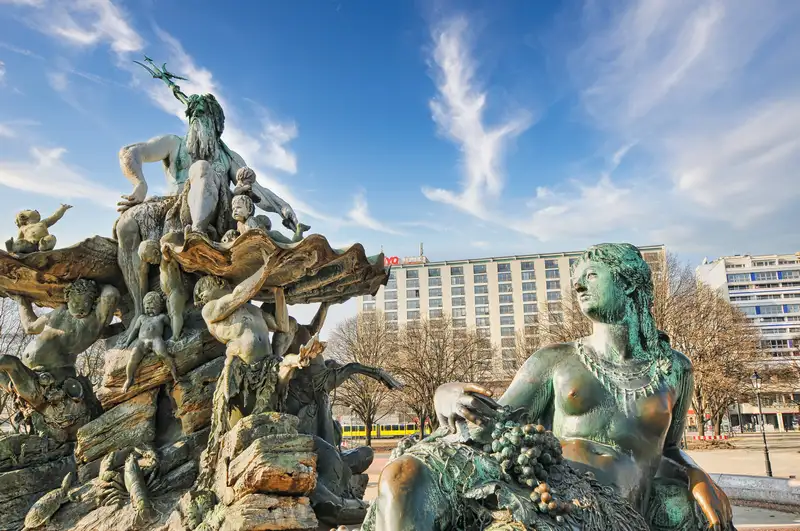
Berlin might not be for everyone, which is another point the city shares with most European capitals. Berlin is for travelers who want to really feel a city and get under its skin. It's a city for history buffs, art lovers, long walks, and lazy afternoons in a café.
Berlin is not a fairytale city. There are no picture-book pretty streets, no storybook charm. If you're after Instagram hits, you might leave Berlin a little cold. Give Berlin some time. It can take a day or two to start to open up, but once it does, it is rewarding.
What is Berlin known for?
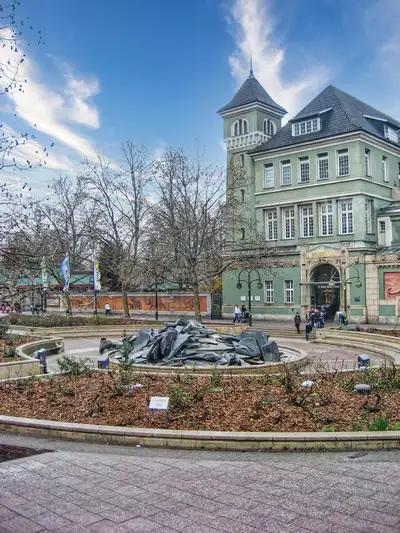
Berlin is first and foremost a historic city, but that history doesn't just belong in the past. It is everywhere, and it is what makes this a place like no other. There are museums, of course, and many grand stories, but the background makes them possible.
The Wall that split a city
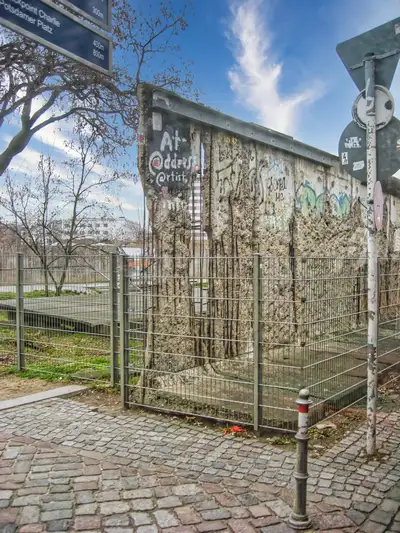
The Wall is the reason most people know Berlin, but it doesn't define it. For 28 years, it divided the city. Streets ended in it. Families lived on either side. In 1989, it fell, and you can still see parts of it around town. But following where it once ran, now as open streets, is one of the most emotional experiences in the city.
A city of museums
Berlin has around 170 museums, more than most visitors could manage in a month. Five of the best lie on Museum Island, an actual island in the river that holds ancient works of art and is a UNESCO site. Many of Berlin's other smaller museums are free.
Street art and a creative streak
Berlin shows its art on its streets. Whole sides of buildings are murals. The longest intact section of the Berlin Wall, known as the East Side Gallery, is now an open-air gallery more than a kilometer long. Artists have flocked to the city for a long time. Rents were cheap, and no one told them what to do.
Nightlife and music
Berlin has a reputation for nights. The techno scene is world-famous. Some of its best clubs were built in old power stations and warehouses after the Wall fell. You don't have to go clubbing to experience it. The city is just open, and that sense of freedom suffuses everything.
What not to miss in Berlin
The best things to do in Berlin mostly revolve around its history. Its art is just as memorable. A few good views are thrown in as well. You could spend a week and not see it all. These are the things I would not miss, even on the shortest visit.
Brandenburg Gate and the Reichstag
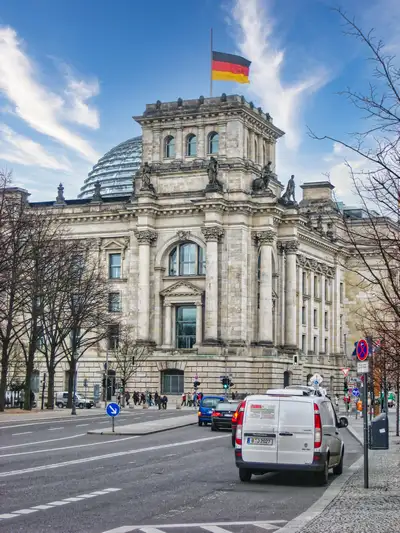
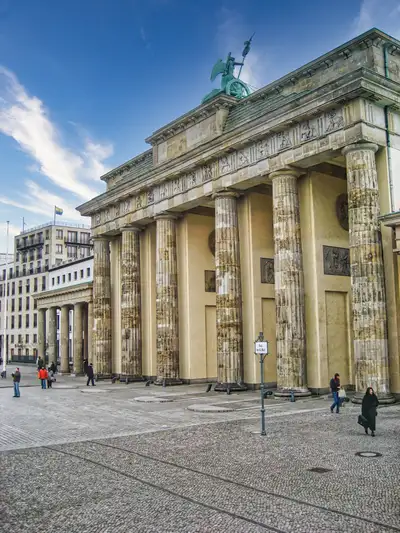
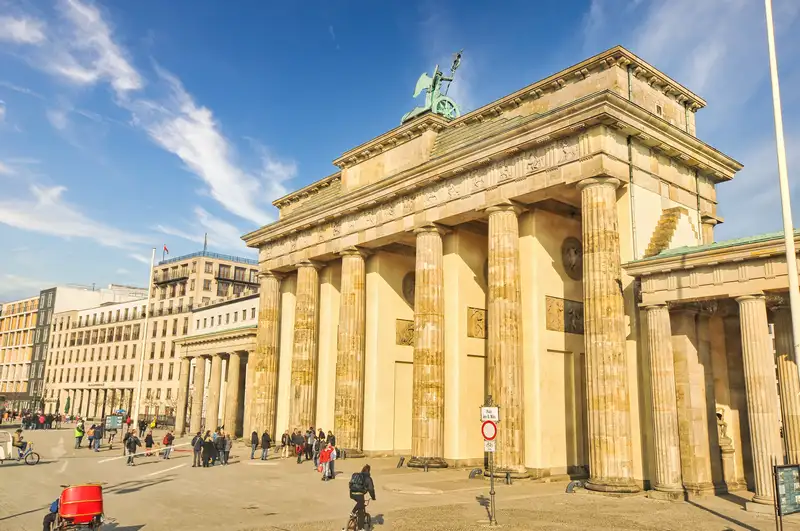
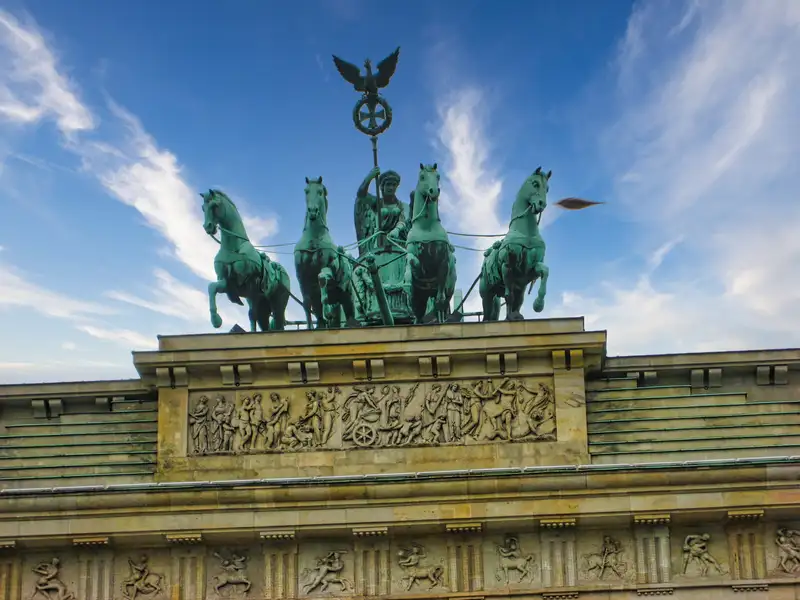
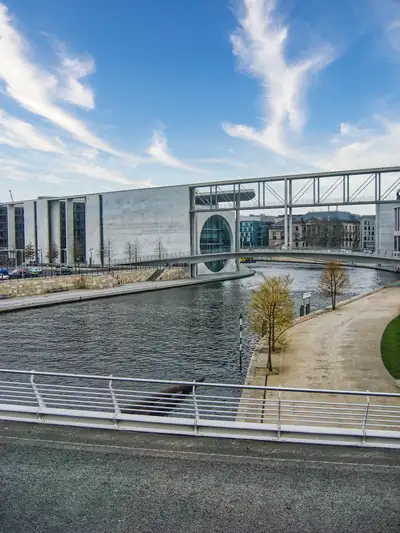
Start at the Brandenburg Gate, the stone arch through which the city has passed its worst and its best days. A short walk will bring you to the Reichstag, the glass-domed parliament. You can climb the dome for free, but you'll need to book a slot in advance.
Museum Island, where the past waits
Allow at least half a day for Museum Island. The Pergamon and the Neues Museum are the two that everyone knows by name, housing ancient gates and statues, and that famous bust of Nefertiti.
The East Side Gallery and the Wall Memorial
Walk the East Side Gallery for the art, then head to the Berlin Wall Memorial on Bernauer Strasse for the quiet. One is bright and full of color. The other is stripped back and eerily still. Together, the two tell the full story of the Wall.
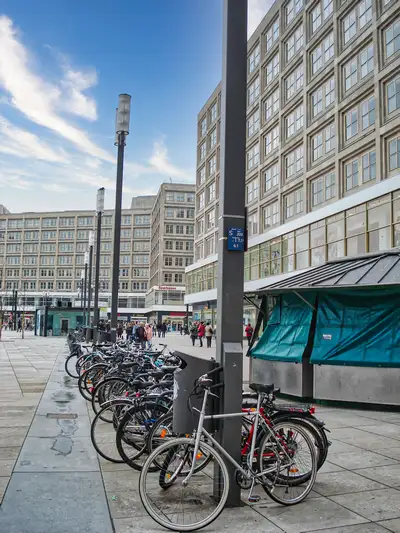
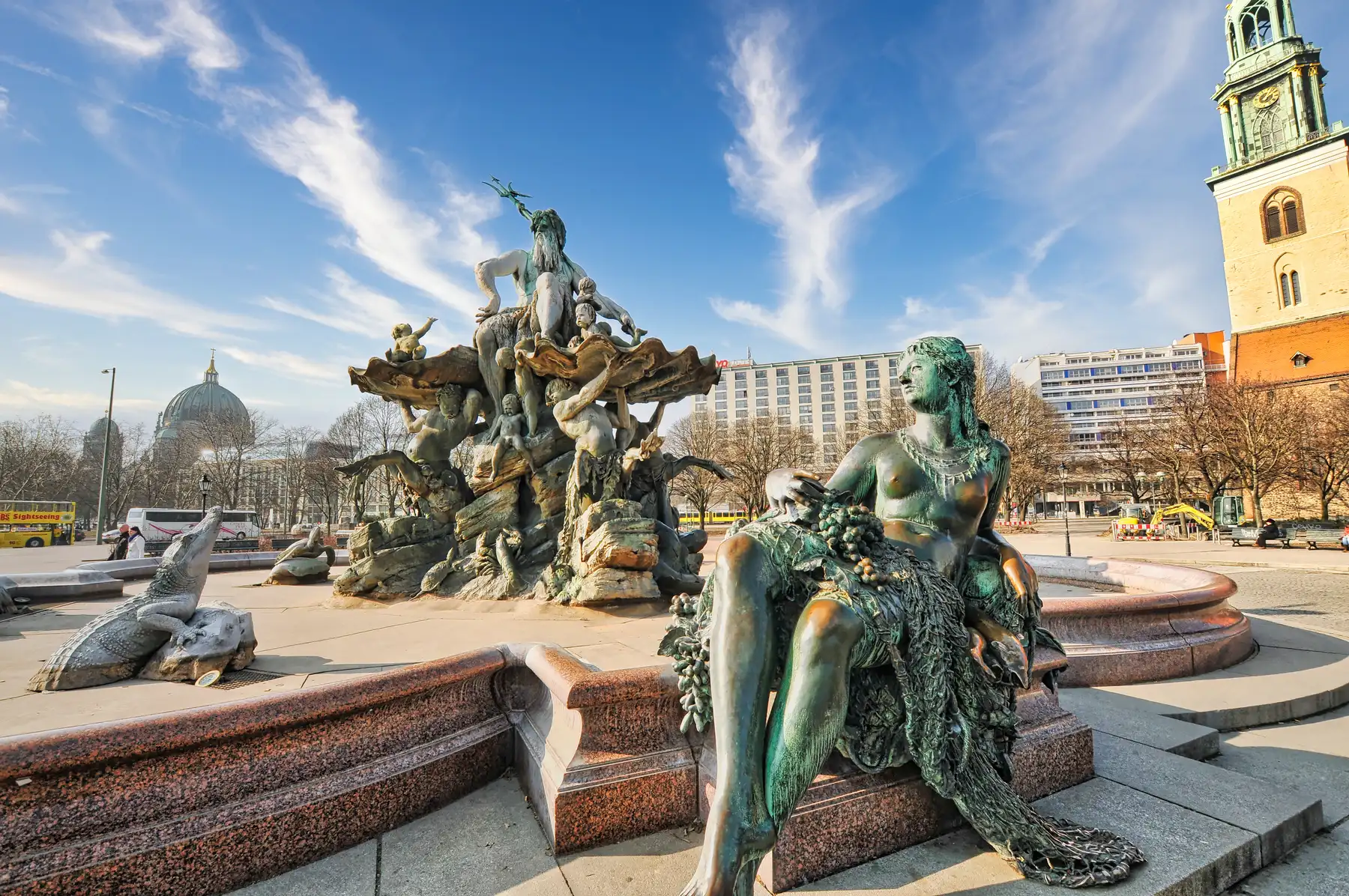
The TV Tower and Alexanderplatz
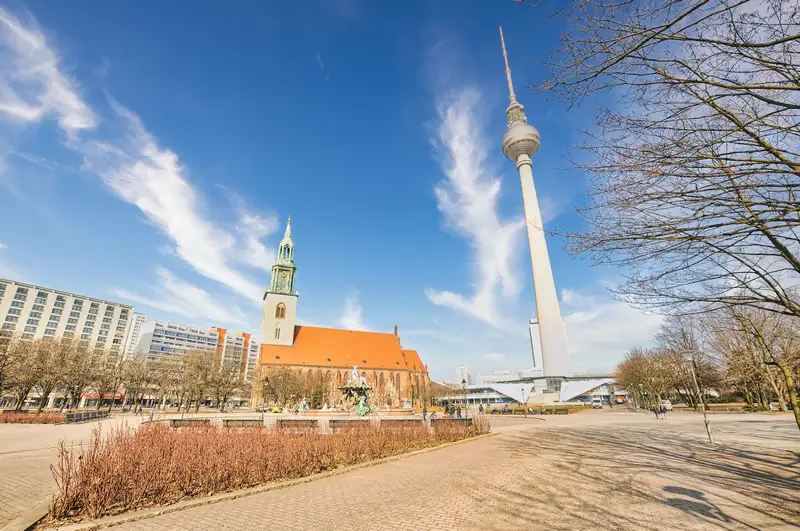
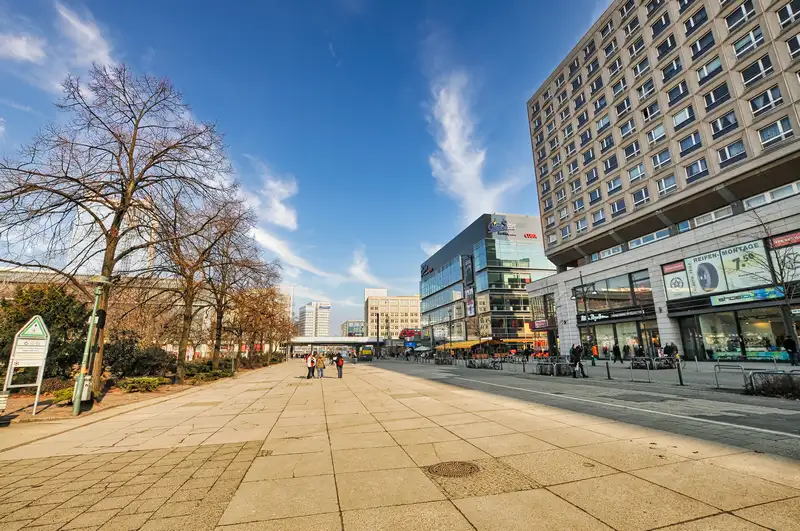
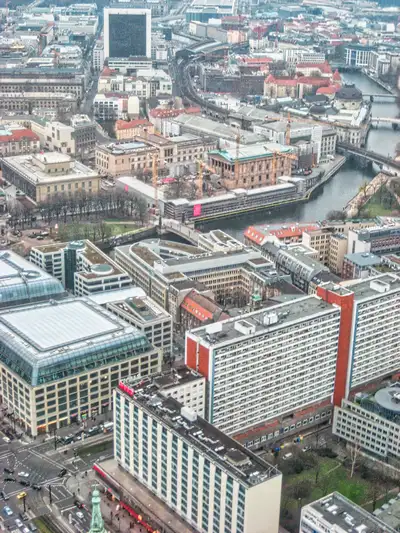
Hop on the TV Tower at Alexanderplatz for the widest view in the city. From the top, Berlin sprawls flat and endless under the open sky. Arrive at sunset and see the city lights come on. It's touristy, but it's worth it.
The Holocaust Memorial and Topography of Terror
Don't miss the tougher places, either. The Holocaust Memorial is a field of grey concrete blocks that you can walk into until the city falls away around you. A short walk away, the Topography of Terror sits on the ground once occupied by the Nazi secret police. Both are free. Both will haunt you long after you leave.
The neighborhoods where Berlin lives
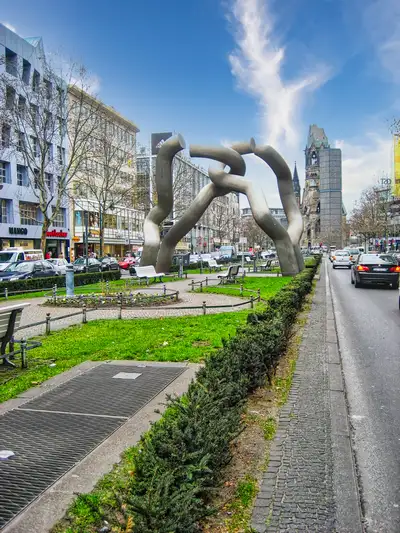
Mitte, Kreuzberg, Prenzlauer Berg, Friedrichshain, Neukölln, and Charlottenburg – these are the neighborhoods that are worth your time. Berlin never chose one center; it sprouted a small cluster of towns instead. Loose seams connected them, and they still go by kiez today. Ten minutes on the U-Bahn and you're in the next. The city you walk into is never exactly the one you left behind.
Mitte, the historic heart
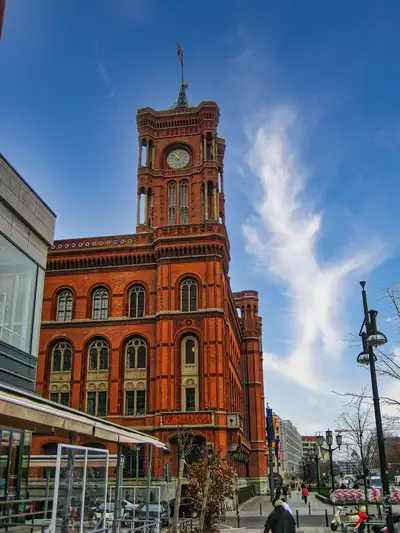
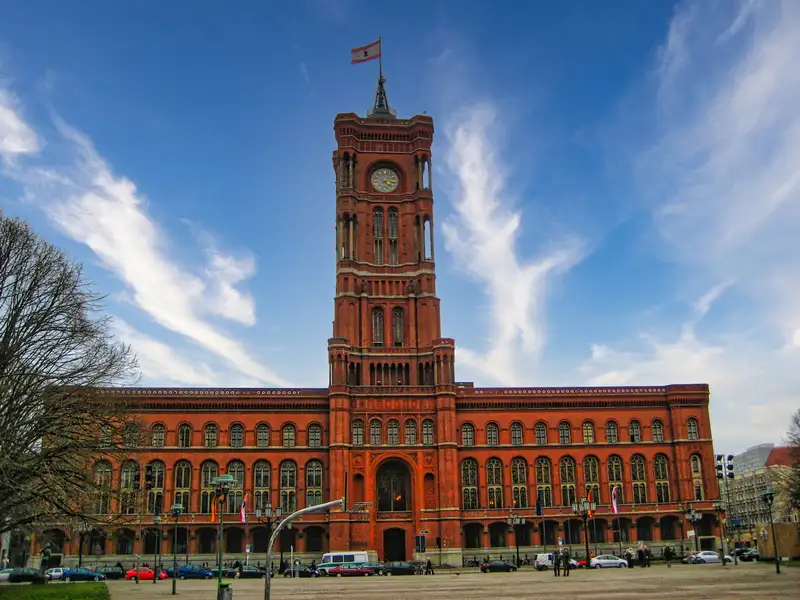
Mitte has been the center where most of Berlin's famous sights have congregated over the years. It's where the Brandenburg Gate is, and Museum Island, and the long tree-shaded sweep of Unter den Linden, that street that's seen kings and armies and quiet Sunday crowds pass beneath it.
It can fill with tourists, and it can feel a little shiny for that. Still, if you're going to be there for a short while on your first trip, there's no easier place to start.
Kreuzberg and Neukölln, the creative south
Kreuzberg and Neukölln are Berlin's wild, restless south. They wear their edges with pride. Turkish bread perfumes the air in Kreuzberg and canal water, and paint is on almost every Wall. Neukölln, a neighborhood that begins just below it, is younger and rougher still, with small cafés on its corners and lamplit late nights. This is Berlin with its sleeves rolled up.
The eastern neighborhoods, soft and wild
Prenzlauer Berg and Friedrichshain are both former parts of East Berlin, and they remember it differently. Prenzlauer Berg has become softer, gentler, a neighborhood with leafy streets, prams on the pavement, and a Sunday flea market in Mauerpark.
Friedrichshain has kept its voice more raw and finds itself with the painted Wall and late clubs. Walk them slowly. The old border still seems to hum beneath your feet.
Charlottenburg, the gentle west
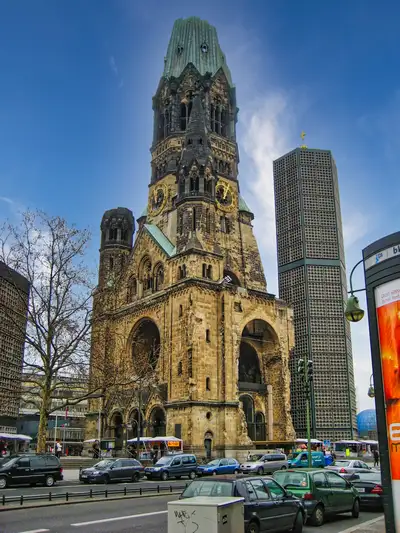
Charlottenburg is calm, a more mature Berlin. Its avenues run wide and well-dressed, and there is a quiet old palace waiting at the end of them. It's a slower pace than you'll find in the east. Mornings here are best taken with coffee and no particular hurry. If you find yourself at the end of your days and are seeking a little quiet, this is a friendly place to stay.
What is the food like in Berlin?
Berlin has cheap and honest food for everyone who has ever moved here. This is not a city of fine dining and white tablecloths. It is a city of street corners and markets where the best meal is the simplest one.
The street flavors of Berlin
Two cheap classics tell you most of what you need to know about how Berlin eats.
Currywurst, the city's comfort
Sliced sausage under curry ketchup, the Berlin staple that is cheap, a little messy, and pure local comfort.
Döner, the city's favorite
The döner came with the city's large Turkish community, and many claim Berlin's is the best outside of Turkey. Find a busy stand, and you can't go wrong.
Markets, brunch, beer gardens
For slower meals, Berlin is at its best on the weekend. Sunday brunch is almost a ritual here, with long tables and even longer mornings. The old market halls like Markthalle Neun are filled with food stalls and the smell of fresh bread. And when the weather is kind, a beer garden under the trees is the happiest place in town. In winter, the Christmas markets take over with mulled wine and roasted nuts.
Practical information about Berlin
How many days do you need in Berlin?
Two days will allow you to check off the highlights, but not much more. You will feel rushed and like you are missing out on some of the quieter spaces that make Berlin a unique and special place.
Three days will help you mix the big sights with one or two neighborhoods, and you will see a wider slice of the city. On a fourth day, you have space for a morning at a museum, and maybe a day trip.
The best time to visit Berlin
As is often the case, it depends on what you want. The easiest answer is late spring through early autumn, from May to September. In these months, the days are long, and the weather is warm, which means people fill the parks, the beer gardens open, and Berlin comes alive outdoors.
If you do not mind cold weather, December can be magical, too. Christmas markets line the streets, warm and golden in the late afternoon light, and the smell of mulled wine hangs in the air.
Spring and early autumn are my favorites, a quieter in-between with fewer crowds and softer light.
Getting around, the Berlin way
Berlin has an excellent public transport system, one of the best in Europe. Trains, the U-Bahn and S-Bahn lines, along with trams and buses, will take you almost anywhere you would like to go in Berlin.
The city is divided into three fare zones, A, B, and C. Most of your Berlin itinerary will take place in zones A and B. The city is also flat, with many bike lanes. Renting a bike is a lovely way to explore Berlin.
Choosing where to stay in Berlin
I recommend Mitte, the city center, for your first visit to Berlin. That is because you will find the famous sights clustered together and within easy walking distance of each other.
If you would like to feel like a local and not just check off sights, Prenzlauer Berg is both calm and pretty, while Kreuzberg puts you at the center of the city's creative energy.
Charlottenburg is good for anyone who is after quiet and great shopping. I suggest that wherever you choose to stay in Berlin, you pick a neighborhood near a U-Bahn or S-Bahn stop. The city is spread out, and public transport is your best friend.
Is Berlin expensive?
Berlin is one of the cheapest European capitals. In my experience, it is less expensive than London, Paris, or any other major European city that springs to mind, which is often a surprise to first-time visitors.
Compared to other cities, your money goes further on hotels, food, and public transport. It is also very easy to find free things to do in Berlin, including taking a walk along the East Side Gallery, the Holocaust Memorial, or simply sitting in one of the parks. A quick and easy meal of currywurst or döner will cost you only a few euros.
Where to go near Berlin
The best day trips from Berlin are to Potsdam, Sachsenhausen, and Dresden. You will need a train for all three, but each one is reachable and makes for a full day.
Potsdam is easiest, just outside of Berlin, with its baroque palaces and gardens that once belonged to Prussian royalty.
Sachsenhausen is a former concentration camp just north of Berlin, a difficult and important place to visit and one that will stay with you for some time.
Dresden is further away, a baroque city rebuilt with great care after the war, a beautiful place along the river.
Questions travelers often ask
Is Berlin safe for tourists?
Yes, as big cities go, Berlin is one of the safest in Europe. Normal vigilance with your bag in crowds and on the U-Bahn at night is more than enough. After dark, a few corners near Kottbusser Tor or Görlitzer Park can feel dicey, but actual danger is infrequent.
Is Berlin worth visiting in winter?
Yes, especially in December for the Christmas markets. January and February are harder with their deeper cold and short, grey days, but then the museums are toasty and uncrowded.
Do you need to speak German in Berlin?
No, you don't need to know any German in Berlin. You'll be fine in shops, cafés, and train stations. English is better spoken here than in smaller towns in Germany, and it's still a nice gesture to know a little "danke" and "hallo."
Is Berlin good for a first trip to Germany?
Berlin is a good choice for a first foray into Germany if you're into history and city life. But if you're seeking a postcard Germany of castles and pretty old towns, this isn't it. You would need to head further south to Bavaria.
A final word on Berlin
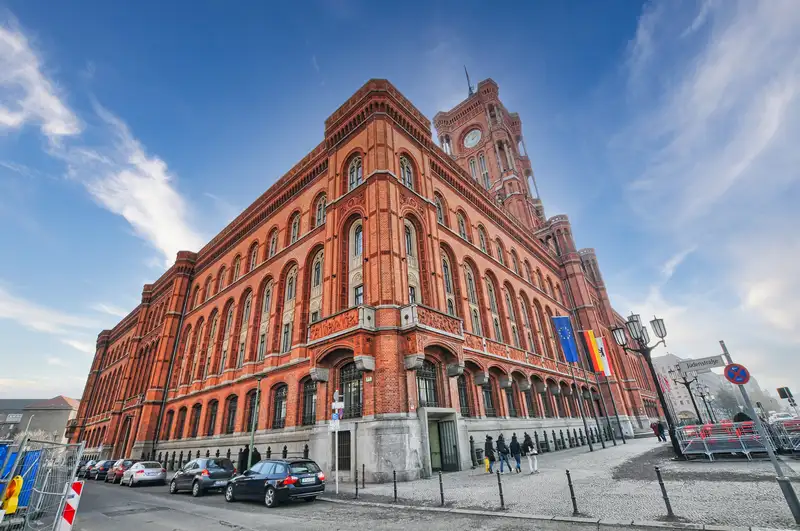
Visit Berlin if you travel to know a place, not just to look at it. It's a city that demands a little more of you than most. It won't win you over with kindness at the door, and it's not the sort of beauty you snap pictures of.
Instead, you take something else back with you. Something far rarer. Berlin displays its most difficult memories in plain sight for all to see. On its walls, in its open spaces, inand the spspaceshere a wallssed to be, it still finds room for art, music, and people from all over the world.
Spend three or four days. Walk the neighborhoods. Sit in the parks. Take the history in small sips at a time. Most people come here unsure and spend weeks afterward thinking about it. If you want a trip that will haunt you long after the photos have been deleted, Berlin will not disappoint.