Athens
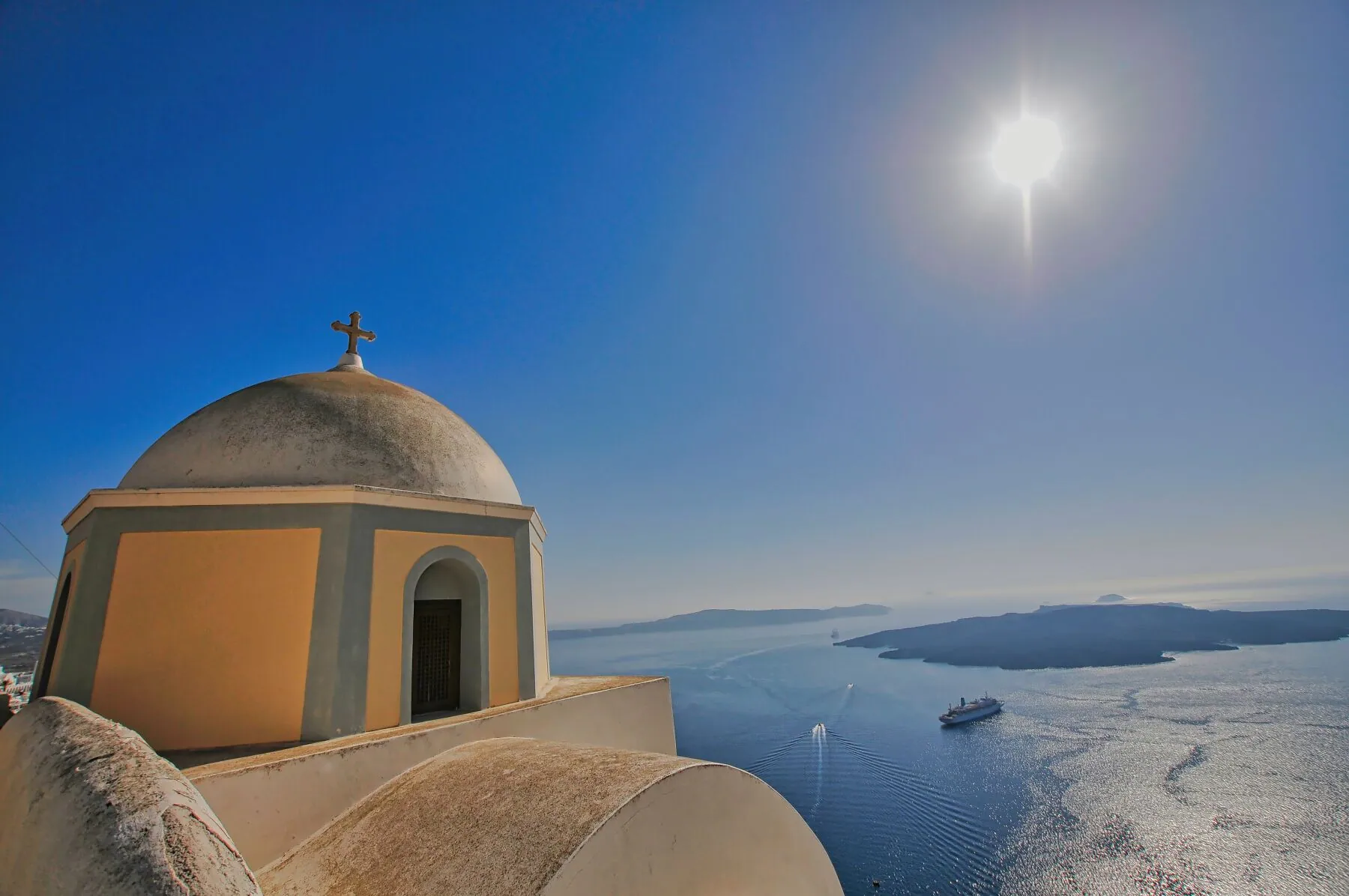
A local's honest guide to a country that stays with you
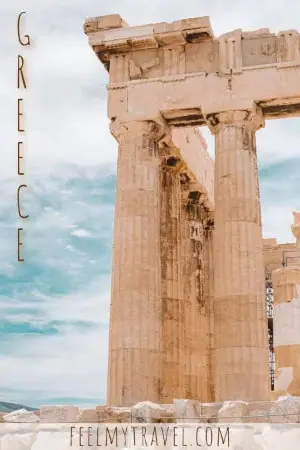
Greece is not the sort of country that makes sense to you as a list of ten things to see. Greece is a country you start to understand when you stand in it. When afternoon heat presses up against your skin and the distant tolling of a church bell comes to you from somewhere you cannot see.
This is not your typical travel guide. It is an attempt to bring you closer to what Greece actually feels like, as it feels to someone born in Athens and who has spent their whole life strolling its streets, catching its ferries, and sitting in its silence. I write the way I travel: slowly, and with a lot of attention to details that most travel guides leave out. The color of a stone at a certain hour. The way a village empties after lunch. The weight of a history that somehow still lives and breathes.
For those of you who are visiting Greece for the first time, I hope you will use this guide to begin getting to know Greece a little before you set foot there. I want you to feel the warmth waiting for you before you land, to hear the sea before you get there. Because the best trips do not start at the airport. They begin the moment something inside you starts to turn toward a place you have never been, and somehow already miss.
May, June, September, and October are probably the best months for the casual first-time visitor.
The two big summer months (July and August) are also the hottest. In Athens, temperatures soar past 40°C, and the popular islands become inundated with tourists. The ferries are packed, and prices have often doubled. Every sunset will be shared with a crowd.
In spring (April and May), Greece is at its most beautiful. The hills are lush and green, wildflowers carpet the countryside, and the light has a luminous quality that every photographer loves. Prices are lower, and the islands are slowly waking up from their winter slumber.
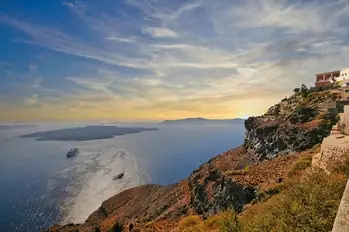
Early autumn (September and early October) is probably my favorite time of year to visit. The sea is at its warmest after a whole summer of soaking up the sun. The crowds have gone, tavernas are quieter, and sunsets over the Aegean Sea turn everything a copper and rose color.
Winter is quiet in Greece, but it isn't dead. Athens is a city that never sleeps, and Thessaloniki has a cooler charm of its own. Most of the smaller islands close between November and March, but if you don't mind the empty streets and half-price tickets to museums, there is a different beauty to Greece in winter.
Greece is not the cheap holiday it was a decade ago, but it remains good value for money if you are well prepared.
A mid-range traveler in 2026 can realistically expect to spend around €150-€250 per day per person on a budget that includes a comfortable hotel, meals at tavernas, local transport, and entrance fees.
Budget travel is possible at around €80-€120 per day, with less comfortable rooms, bakery-bought breakfasts, and slower ferries.
Food is one of Greece's best buys. A full meal at a taverna will cost around €15-€25 per person.
A gyros wrap will be €3 to €4. Coffee in a kafeneio is around €2 to €4.
The largest expenses usually come from accommodation on the more popular islands during the high summer months, ferries (a high-speed catamaran between islands can be €50 to €90 each way), and car hire. Book ferries and hotels early for July and August.
Eat away from the main tourist areas, where the locals eat. Go to free beaches rather than paying for sunbeds. And, if at all possible, visit the smaller, less well-known islands rather than the famous ones.
Athens International Airport is the main airport with flights from all over Europe, the Middle East, and North America. Thessaloniki Airport is the second busiest airport in Greece, and a better choice if you are traveling to the northern parts of Greece or the Sporades islands.
Santorini, Mykonos, Crete, Corfu, and Rhodes are among the Greek islands with international airports that have direct flights during the summer. Low-cost carriers such as Ryanair, EasyJet, and Aegean Airlines operate budget seasonal flights from various European destinations.
If you are traveling from Italy, you can also take a ferry to the Greek ports of Patras, Igoumenitsa, or Corfu from Venice, Ancona, Bari, or Brindisi. The overnight crossing is very scenic if you are traveling with a vehicle.
Getting to the city center from Athens airport is straightforward. The metro (Line 3) takes about 40 minutes to Syntagma Square. The X95 express bus also operates 24 hours a day and costs about €6.
To reach Piraeus port for a ferry to the islands, the X96 bus goes to the airport and directly connects to Piraeus, but the journey takes around 90 minutes depending on traffic.
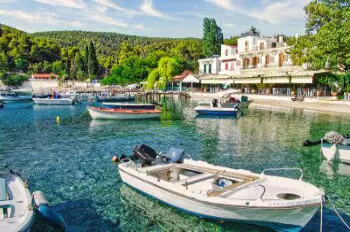
Ferries are the main way to get around between islands. The main port is Piraeus, with smaller ports at Rafina and Lavrion. Ferries operate on most routes; there are fast ferries, high-speed catamarans, and smaller boats for short distances. There are regular boats (slow, cheap, and with open decks), fast ferries (cheaper but with decks), and high-speed catamarans (quick but expensive). Book in advance in the summer months on popular routes.
On the mainland, KTEL buses are the main way to get around, and they cover most routes from Athens and Thessaloniki to other towns. They are modern, air-conditioned, and cheap. Train services are limited to the Athens to Thessaloniki mainline and the line to Kalambaka for the Meteora, but can be useful if time is short.
Renting a car is the easiest way to get around in the Peloponnese, Crete, or the northern Greek mainland. The roads are generally good, although some mountain roads are single-track and quite narrow. On small islands, a scooter is normally all you will need. On very small islands, there are no cars at all - only donkeys, water taxis, and your own two feet. (Examples are Hydra, Spetses). Domestic flights on Aegean Airlines and Sky Express can save a day on long routes like Athens to Crete or Athens to Rhodes.
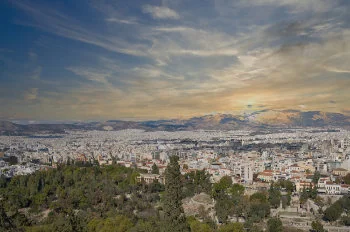
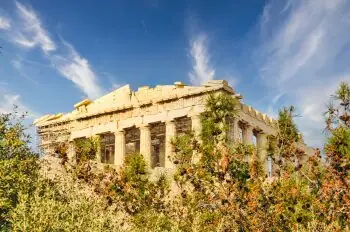
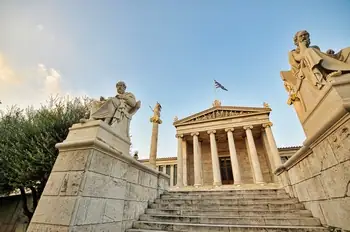
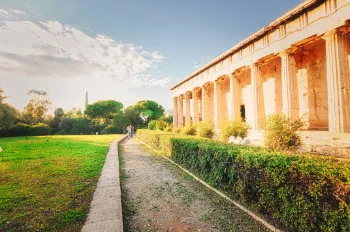
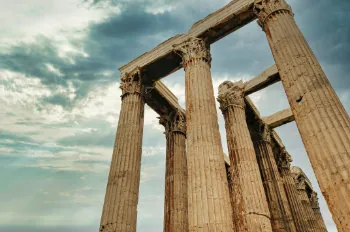
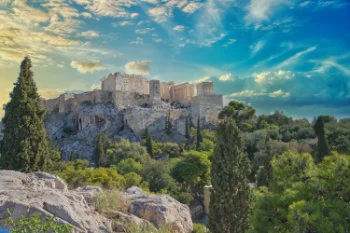
Almost every first visit begins in Athens which is full of great attractions.You can walk from the Acropolis and Ancient agora to the street art of Psirri in fifteen minutes. Athens has world-class museums, rooftop bars with views of ancient ruins, and neighborhoods like Plaka and Anafiotika that feel more like villages in a capital city. For a guide on what to see first, check out my Athens travel guide, which has tips on the whole city.
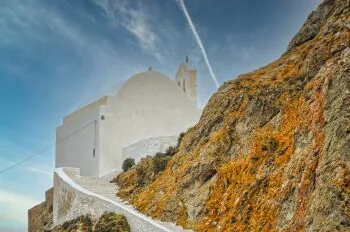
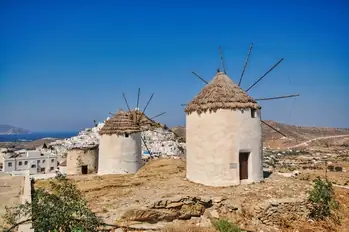
The Cyclades (Santorini, Mykonos, Naxos, Paros, Milos, Folegandros, Anafi, Sikinos, Ios) are the most visited group of islands from Athens. Crete is the largest island with mountains, gorges, beaches, and more history than you could ever fit into one trip.
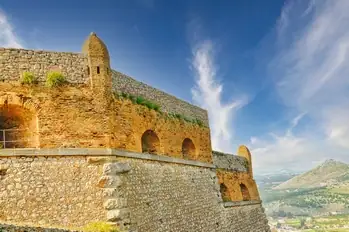
The Peloponnese is home to more ancient ruins and stone-built towns like Nafplio and Monemvasia, with a pace far off any tourist trail. Northern Greece will take you to Thessaloniki, the monasteries of Meteora, and the untamed natural beauty of Zagori.
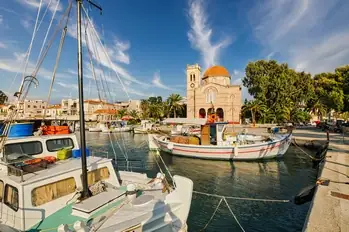
The Saronic islands (Aegina, Hydra, Spetses) are closest to Athens, under two hours, and best for short breaks.
Greece is a safe country to travel to. Violent crime against tourists is very uncommon, and petty theft, such as pickpocketing, on busy public transport and at crowded tourist attractions is the primary concern.
The Athens metro, as well as the areas around Monastiraki and Omonia, are popular with pickpockets during rush hour. Keep your bag zipped and in front of you at all times, and keep an eye on your valuables in crowded areas. Crime is practically non-existent on the islands.
Female travelers feel very safe traveling alone in Greece, both on the mainland and on the islands. The culture of philoxenia is very strong, and most tourists feel immediately welcome.
Greek food is humble, honest, and cooked with a few perfect ingredients: olive oil, tomatoes, fresh herbs, good bread, and whatever the sea or the land had offered that morning.
Start with a horiatiki, the classic Greek salad of tomatoes, cucumber, onion, olives, and a big slab of feta drowned in olive oil. It will taste nothing like the Greek salads you have had abroad. Order meze to share: tzatziki, melitzanosalata, fava, grilled octopus, spanakopita. This is how Greeks eat, not from their own plates but from the middle of the table, slowly, with bread and conversation.
For street food, a gyros or souvlaki wrap is something that everyone should try at least once. Look for where the locals are queuing. Stop at a bakery in the morning for a bougatsa (warm custard or cheese pastry) and a Greek coffee, or a freddo cappuccino if you like something cold.
Every island makes its own cheese, its own wine, its own version of a pie or stew. Ask what is local, and order that. It will always be the best thing on the menu.
A few practical things that make your first trip smoother. The tap water is perfectly fine in Athens. On some smaller islands, the water may be desalinated and taste odd, so many locals and visitors opt for bottled water. If in doubt, ask.
If you are in an older building or on an island, flush the toilet paper in the bin. Not the toilet. Old pipes and small-diameter pipes. Don’t ask. You will notice that next to the toilet is a little bin. Newer hotels will be fine with the paper in the loo, but if you are in doubt, throw it in the bin.
Greek time is relaxed. Dinner usually doesn’t start until 9pm or 10pm, lunch hour is long and ends past 3pm, and many shops are shut in the early afternoon in the summer months.