The best things to do in Poznan start in a square. At noon, two little metal goats emerge from a clock, and bang their horns together. I watched it with a coffee going cold in my hand. All around me, a crowd of strangers tipped their heads up at the same second, and a few of them laughed like children. Something in me went soft.
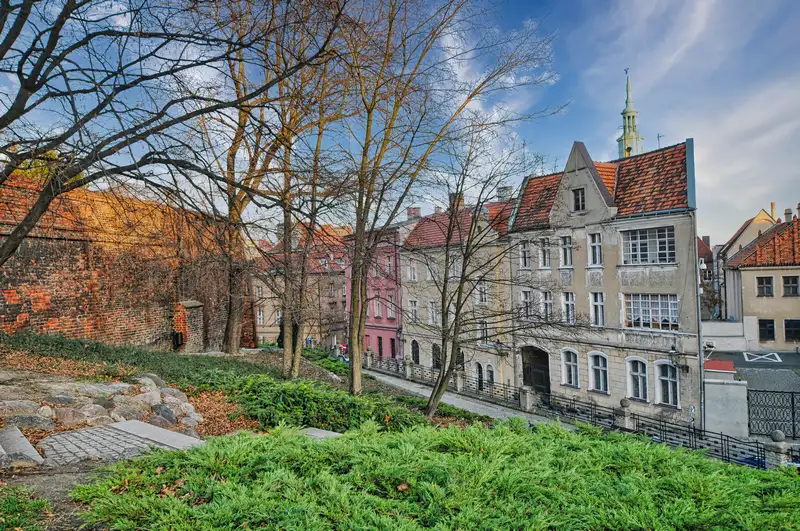
Poznan does not announce itself. It sits in western Poland, roughly halfway between Berlin and Warsaw, and a lot of people pass straight through on their way to somewhere louder. I almost did the same. I am glad I stayed. What I found was an old town painted in soft colors, a small island where a whole country was born, and morning streets that smelled of warm croissants.
Table of Contents
Is Poznan worth visiting?
Poznan is worth seeing, and the people who fall in love with it are often readers of cities: those who like to browse their way through a place. It's not a city with a long list of must-see famous names. It's a smaller city than Krakow and less buzzy than Wroclaw, and the hush is the whole point. You walk less in Poznan. You sit more.
I arrived with expectations of one good afternoon. Instead, I ended up lingering for days, lured by the constant gift of reasons to slow down: a bench by the water. A church I wandered into without intending to. A bakery where the woman behind the counter waited, smiling, while I racked my brain to find a way of asking for one more croissant in a few broken Polish phrases.
If you're the kind of person who needs big sights bashed out one after another, Poznan may come across to you as a very gentle city. If you like a place that gives you space to breathe, you will find yourself at home there within the hour.
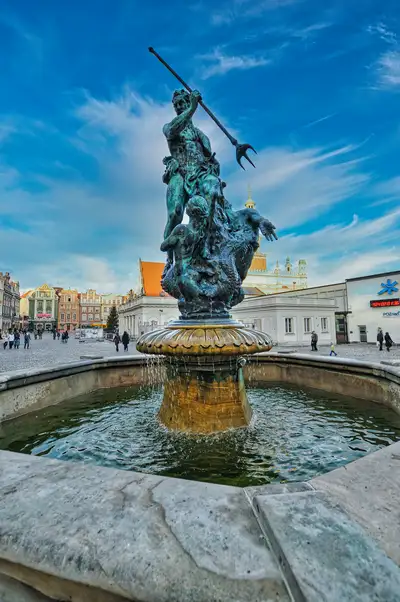
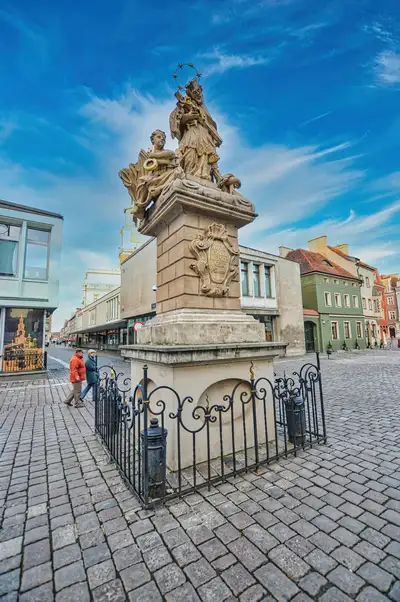
A short history of Poznan
Poznan is a very old city, one of the oldest in Poland. For a time it was also the center of the Polish state. You know that as you walk, and you sense it in the stones long before you read it on any plaque. The story sits in two places, and they are a short walk apart.
Where Poland began
Polish history starts on a small island in the middle of the river. The island is called Ostrow Tumski, and more than a thousand years ago, it was where the first ruler of the Polish lands made his home. His name was Mieszko I. He was baptized on this spot, on this island, in the year 966, and many people say that this was the baptism of Poland. The country has stayed largely Catholic ever since.
The oldest cathedral in Poland stands on that same island. When you walk inside, you are standing where the idea of a Polish state first took shape. I am not a religious person, but I sat in a back pew for a long time anyway.
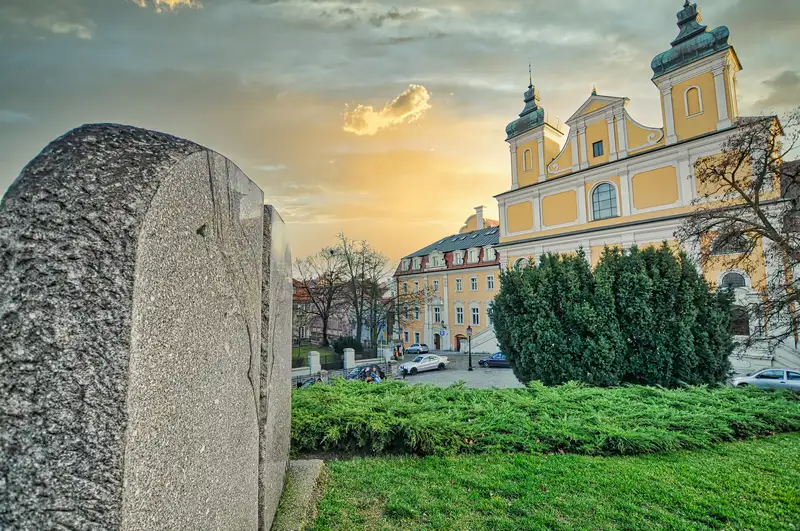
War and rebuilding
Much of what you see in Poznan today was rebuilt after the Second World War. The fighting in 1945 left large parts of the old town in ruins. This included most of the market square. In the years that followed, the builders put it back together using old drawings, paintings and photographs as their guide. The work went on until the 1960s.
It is worth knowing this as you walk. The colorful houses look centuries old, and in spirit they are, but many of the facades you admire were carefully remade by hands that wanted to keep something from being lost.
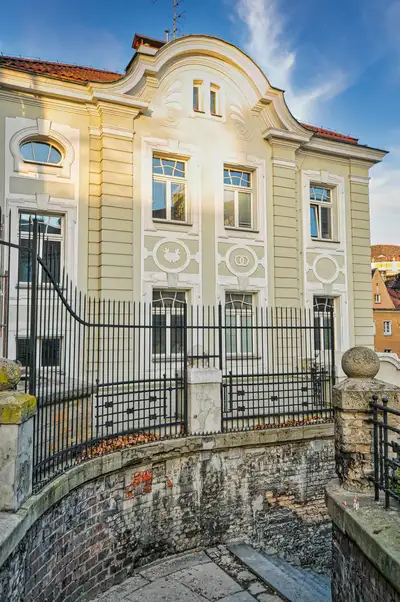
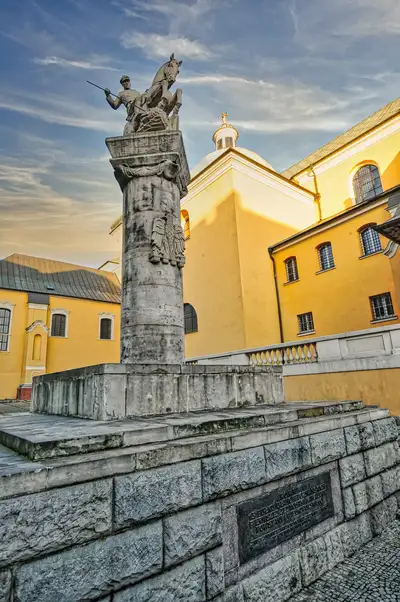
The old market square and the goats
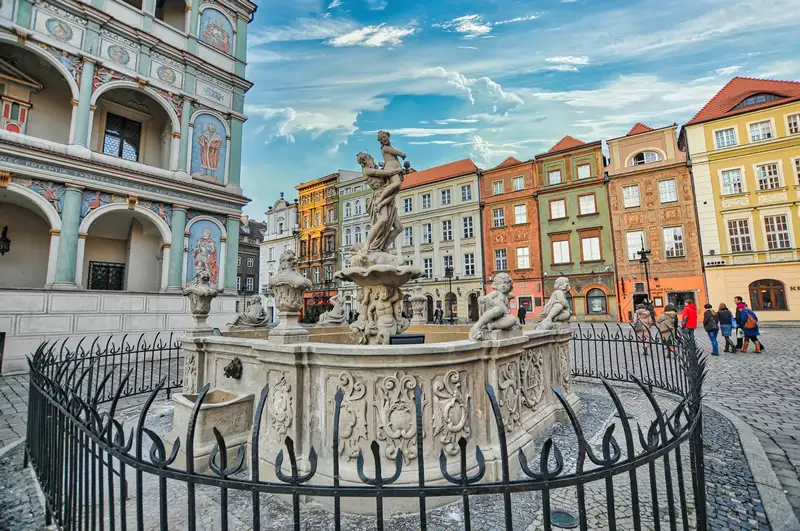
Stary Rynek is the physical and metaphysical center of Poznan. It is the first thing I direct anyone to. It has been the city's beating heart since the 13th century. The square is a near-perfect box, some 140 meters square, all of it bordered by four-story, pointed-topped townhouses in pink, yellow, green and faded red.
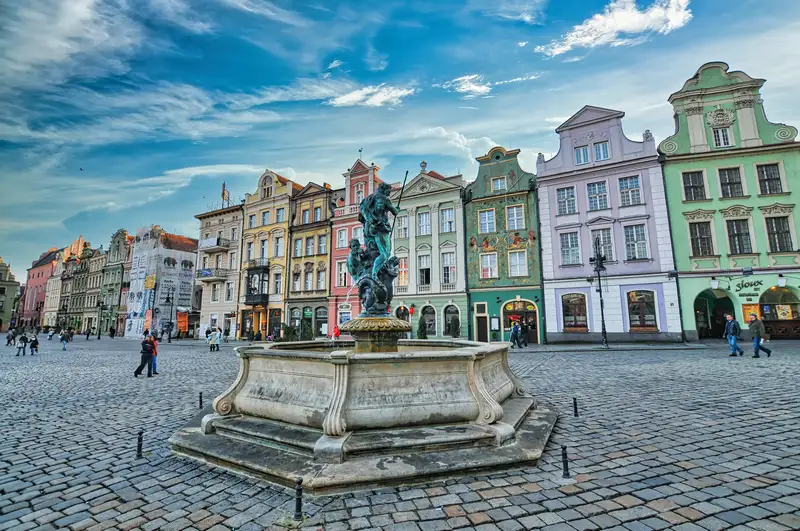
The coloured townhouses
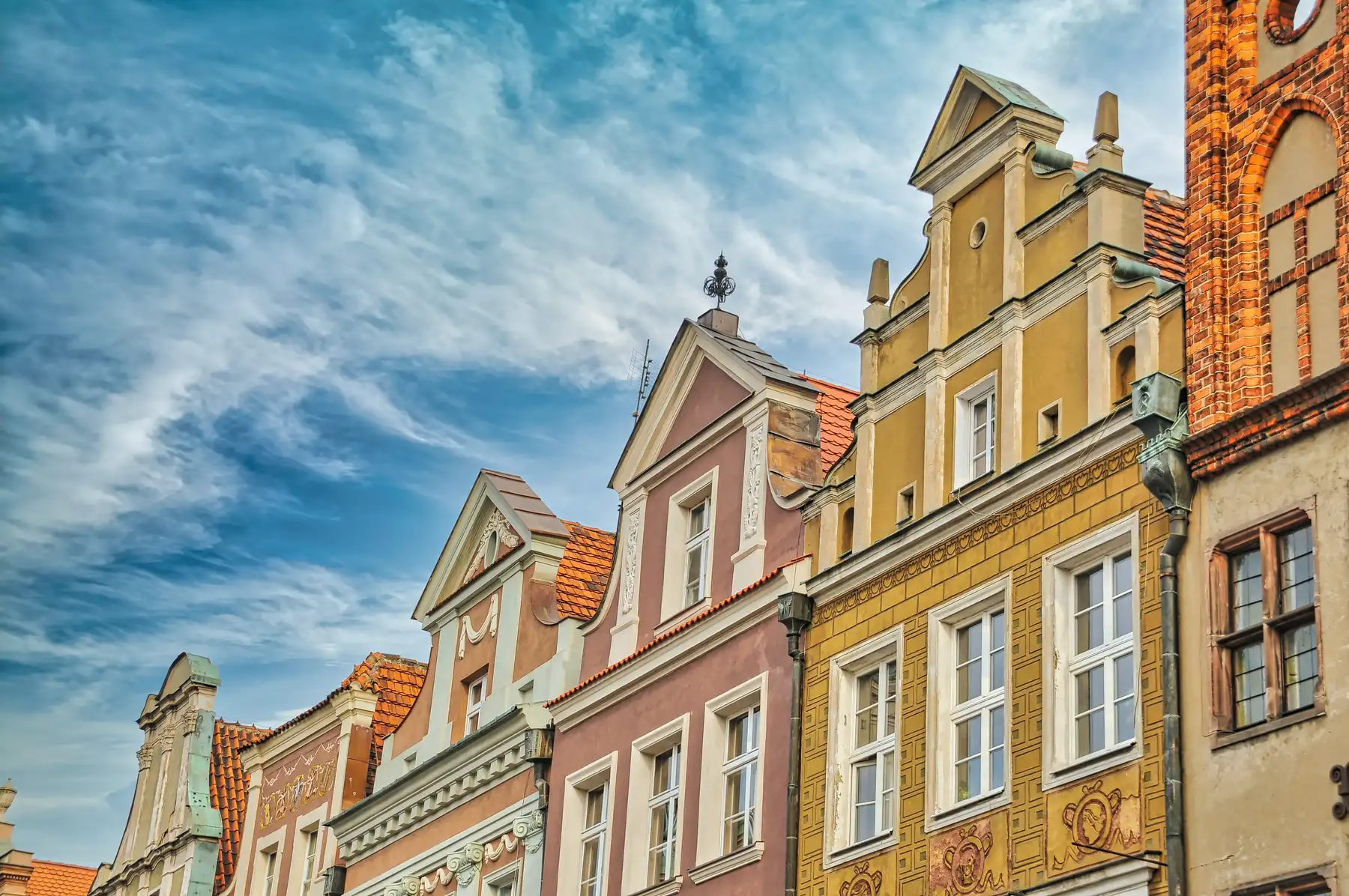
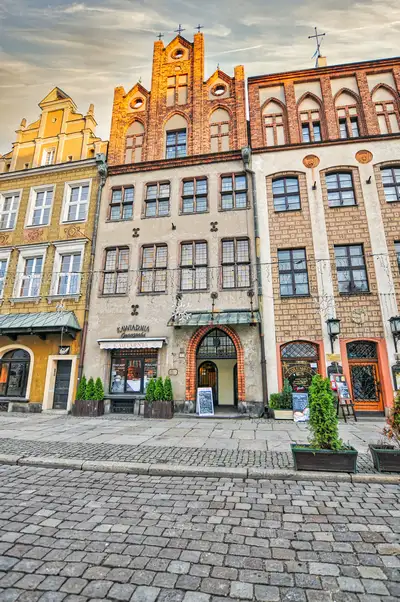
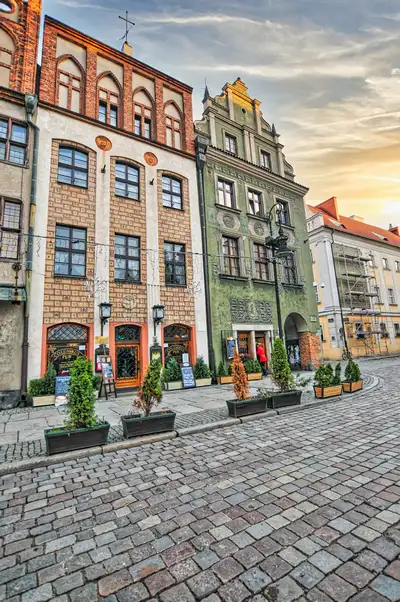
The reason people pull out their cameras when they arrive at the square is for the rows of townhouses that surround it. They are all a little different. Some of them have stepped gables; some have painted patterns running across the front.
In late afternoon, the light strikes them, and the whole row appears to be glowing from within. I have a picture of that light on my phone I still look at when I feel wistful for the place.
The goats at noon
Half a minute before twelve, the crowd below the Town Hall tower starts to look upwards. There is a small door near the top of the clock, and at the strike of twelve, the door opens, and two mechanical goats come out and butt their heads together, twelve times, to the tune of a bugle.
The legend is simple. A cook was preparing a feast for the town councilors when he let the meat burn. Panicking, he stole two goats from a nearby field and roasted them instead. The goats slipped away from the watchman, ran up the tower, and started to butt their heads together in front of the gathered townspeople. The crowd loved it so much that they forgave the goats, and the city put them in the clock in perpetuity. It is a daft story.
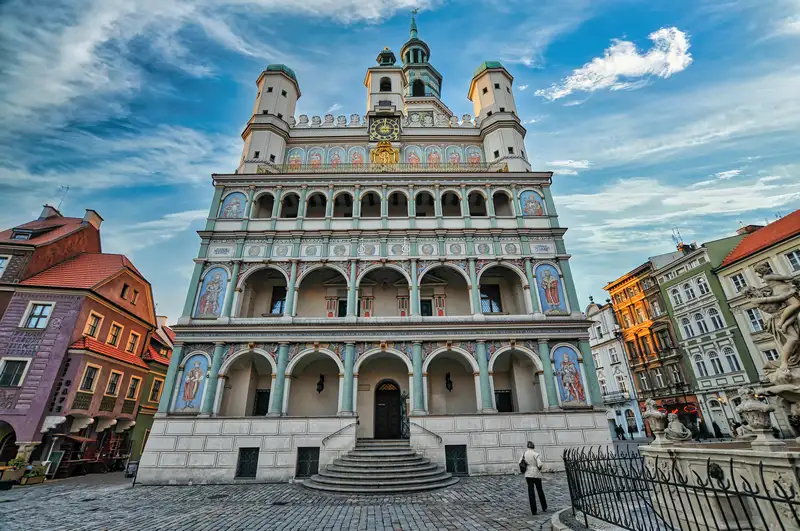
The best of Poznan, one slow walk at a time
The best things to do in Poznan are all within a short stroll of each other. It's part of what makes the city so peaceful. You can visit the main sights in a day, or you can stretch it out gently over three. Here's where I would send you, roughly in the order I walked them.
Cross over to Cathedral Island
Cathedral Island is Poznan's oldest, most tranquil quarter, nestled between two arms of the river. Go over the bridge from the Srodka side early in the morning, and you might have it almost to yourself. The air feels older. Quieter.
Poznan Cathedral
The cathedral is the star attraction. Step inside and look for the golden chapel at the back, where two of the earliest Polish rulers are buried. The stone, the gold, the cool air flowing through the windows, it all asks you to slow down, to lower your voice without anyone telling you to.
Brama Poznania
If history calls to you, make your way across to Brama Poznania, a heritage center that tells the story of the island and the birth of Poland through screens and peaceful rooms. It is contemporary and easy to understand, and it gives those old stones across the water more meaning when you retrace your steps.
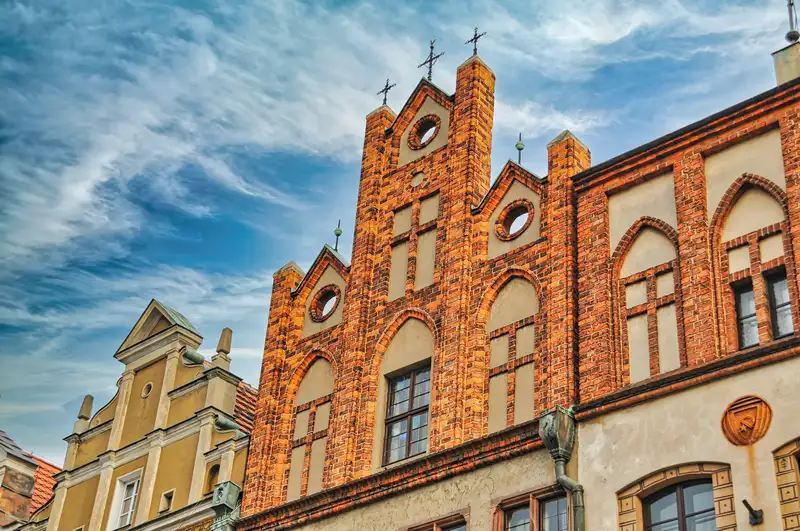
Step inside the Imperial Castle
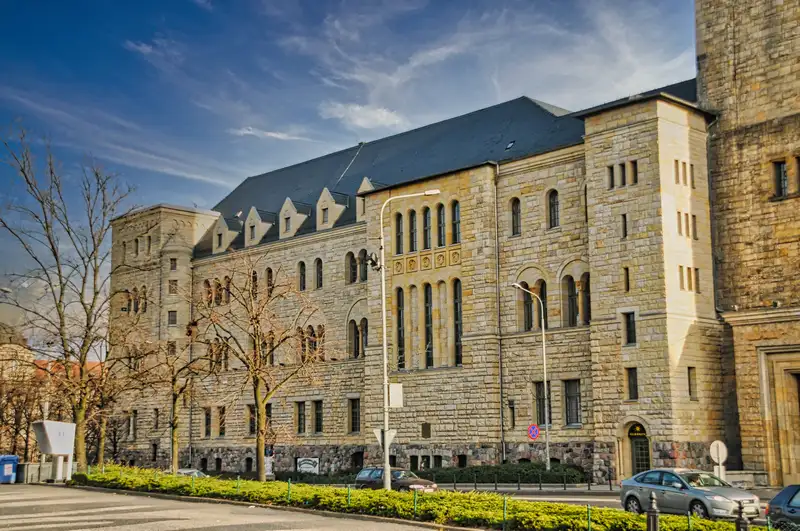
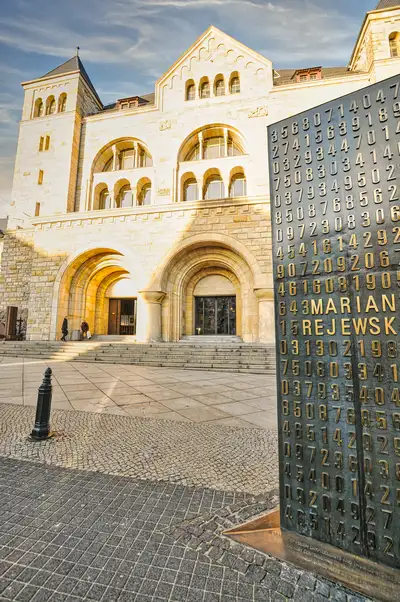
The Imperial Castle is a heavy stone early 20th-century building with a few lives to its name. It was built as the home of the German emperor Wilhelm II when this part of Poland was part of Germany. Now it has a cultural center with a cinema, galleries, and a cafe in the courtyard. Admission is free to explore the public areas. I liked it most of all for the contrast: a castle built to impress and to symbolize power, now full of students with books on the steps.
Wander through Stary Browar
Stary Browar is an old 19th-century brewery that someone converted into a shopping and art center, and it is far nicer than that sounds. The brick walls and iron beams of the old brewery were kept and integrated into the new design. Even if you hate shopping, walk through it once for the building itself. There is art tucked into the corridors and a green park at the back where people sit with ice creams in summer.
Climb into Citadel Park
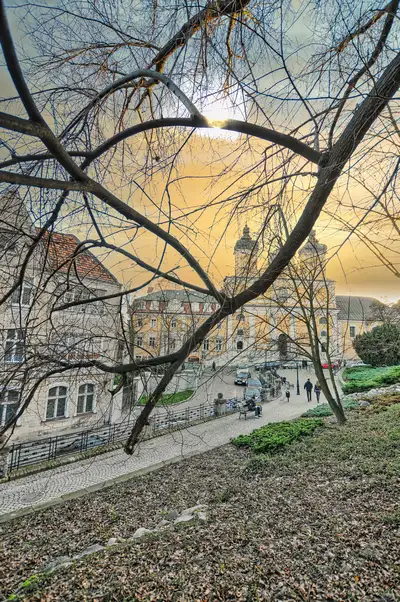
Citadel Park is the largest green space in Poznan, on a hill just north of the old town. It was once a Prussian fortress, and you can still make out its old shape beneath the grass and trees. There are war graves here and open lawns where families lie out on warm days. It is a place for a slow, unstructured wander which is exactly the kind of thing Poznan is good at.
A morning at Lake Malta and the Palm House
Lake Malta and the Palm House are the two places I would send you to escape the stone for a few hours. They are on opposite sides of the center, but each is well worth the short tram ride.
Lake Malta
Lake Malta is a long, artificial lake on the east side of the city. It is popular with local cyclists and walkers at the weekend. Rent a bike, ride the loop, and pull up somewhere along the water with a book. There is a large thermal bath complex beside it in summer if you want to swim.
The Palm House
The Palm House, or Palmiarnia, is the oldest greenhouse of its kind in Poland, over a hundred years old. Inside, thousands of plants from warmer climates fill room after room. There are tanks of fish at the end of the route. On a grey, cold day, it is one of the warmest and gentlest hours you can spend in the city.
The Enigma Cipher Center and its quiet heroes
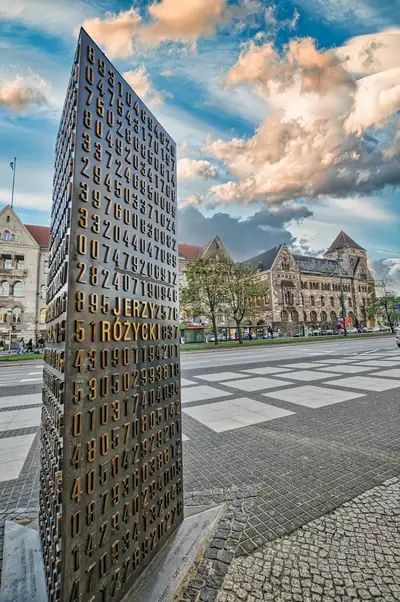
The Enigma Cipher Center tells a story that most of its visitors don't know, and it is one of Poznan's best museums. Three young Polish mathematicians in the city before the Second World War were the first people in the world to crack the German Enigma code. This work would later be used to help a larger effort to decipher it and shorten the war. The museum is modern and very hands-on, so even people who think they hate museums usually end up liking it.
Srodka, where the walls tell stories
Srodka is a small district on the opposite side of the river from Cathedral Island, and it's quietly becoming one of the most picturesque parts of Poznan. The draw is a large mural on the side of a building, depicting a trumpeter on a roof, a cat, and a parade of various other local characters from a century ago. Scattered around it are small cafes and independent stores. I had the best coffee of my trip here, sitting on a step in the sun.
Where can you feel the quieter side of Poznan?
A slice of Poznan's life is lived away from the square. In the residential neighborhoods that don't put on much of a show for tourists. On those days when the city gets on with being a city, instead of posing as a city.
The old streets of Jezyce and Lazarz
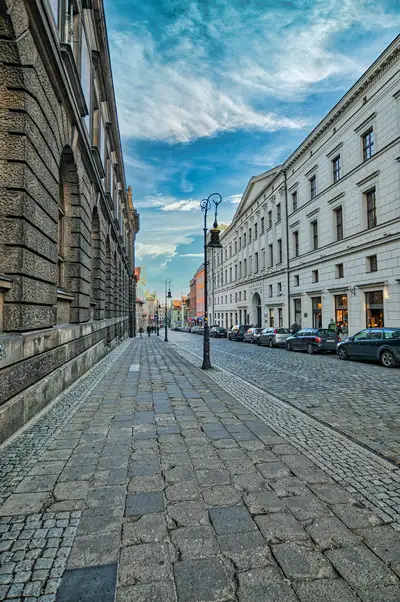
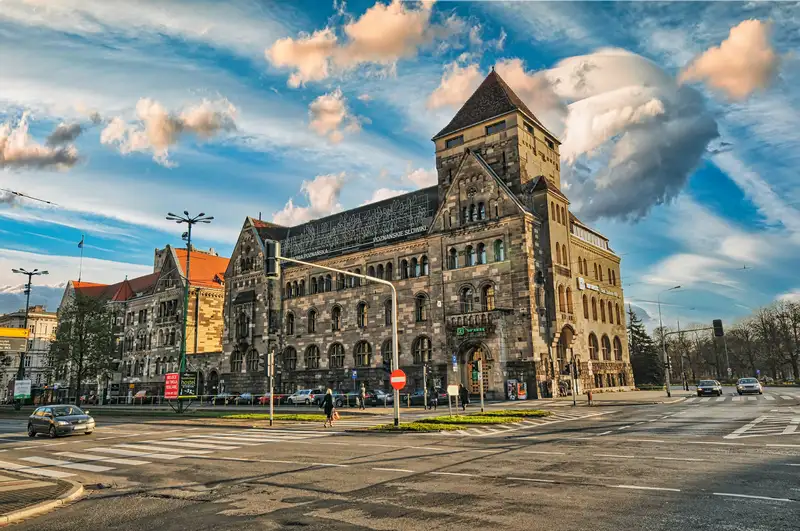
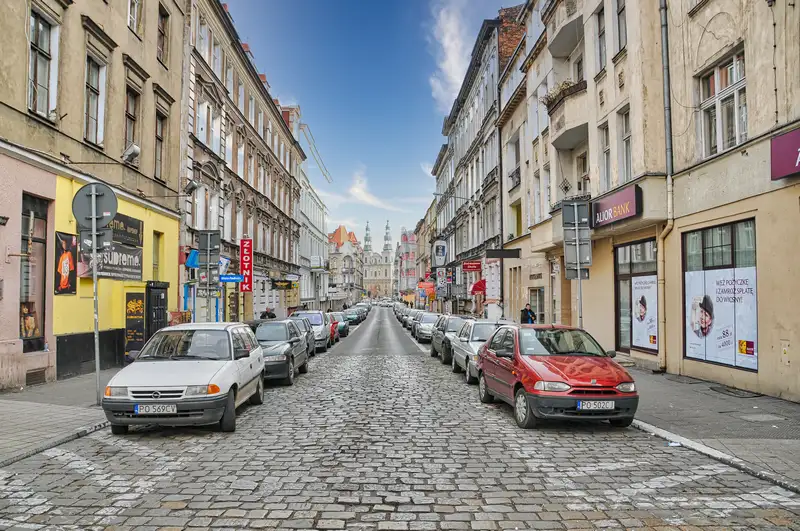
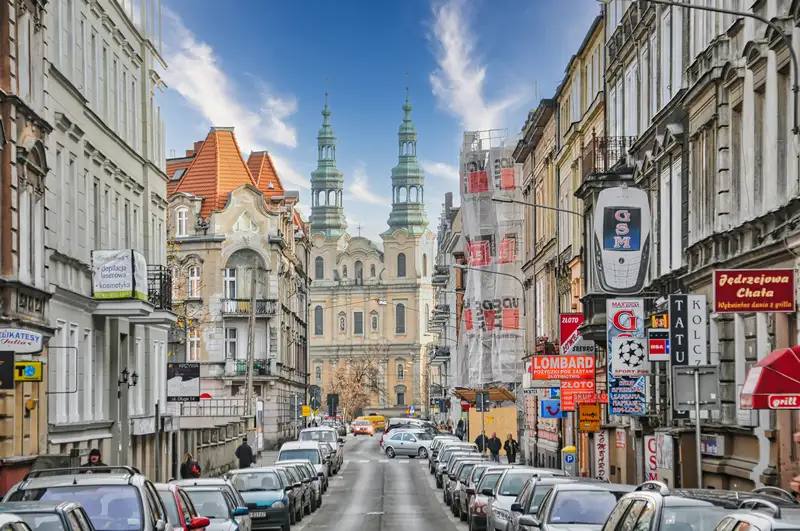
If your travel itinerary is bursting at the seams, and you've got an afternoon to kill, head for Jezyce or Lazarz instead of running off to one more Poznan monument. They're two older parts of town, packed with Art Nouveau facades.
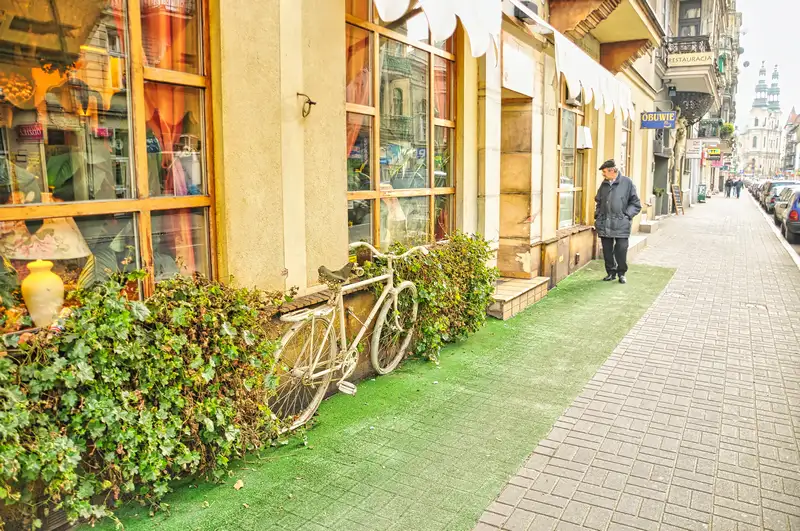
Walk slowly and keep your eyes up. Above the shopfronts there's curling stonework, old tiles, faces peering out of the plasterwork, most of it a bit weather-beaten and all the more charming for it. The streets are as empty of tourists as Poznan gets, and that's half the point.
Slow coffee on a quiet Srodka lane
Srodka is worth lingering in. Besides a famous mural or two, it's quiet lanes, bakeries, and cafes owned by people who plainly love the place. Sit for an hour and watch the light sweeping across the bridge to Cathedral Island. Do nothing, and that's the point.
The warm, homely flavors of Poznan
Poznan has its own culinary traditions, and sampling them is one of the city's easiest pleasures. Flavors are warm and homely, the kind of food to enjoy on a cool grey afternoon.
The St Martin's croissant
The St Martin's croissant is one thing you must not leave Poznan without tasting. In Polish, it is called rogal swietomarcinski and it is protected (which means that only croissants made in Poznan and the surrounding area, to the traditional recipe, can use the name). They are large and hefty, filled with a sweet white poppy seed and nut paste, then glazed and covered with more nuts. Buy one warm from the bakery on the square. You can even visit a small museum to watch them being made.
Pyry, the local potatoes
Potatoes are a point of local pride here. The word people use for them is pyry. Look for pyry z gzikiem, which is boiled potatoes served with a soft, herby quark cheese. It sounds humble because it is. It is also exactly the kind of food you want after a long walk in the cold.
Milk bars and a glass of something cold
For a cheap, honest meal, seek out a milk bar, a bar mleczny in Polish. These simple canteens date back to communist times, and they still serve dumplings, soups and other home cooking at low prices. Order pierogi and a bowl of sour rye soup. Poznan also has a strong craft beer scene if you want a quiet glass of something local to end the day.
Planning your trip to Poznan
The best time to visit
Late spring and early autumn are the best seasons to visit Poznan: days are pleasantly mild, and crowds are thinner. Temperatures tend to range from 10 to 20 degrees between April and June, and again in September, which is ideal for walking around.
June is also when the Malta Festival takes place, and theatre and music performances spill out onto the streets and squares. Summer is a bit hotter, often pushing towards 30 degrees, and the city feels busier.
Winters are cold and regularly sub-zero, though the grey skies and winter coats make the city look lovely, and there are plenty of warm places to seek refuge, not least the bakeries. If you're not restricted by anything, aim for spring or autumn.
Getting there
Poznan is simple to reach by air and by rail. Poznan Lawica Airport is located around five kilometers west of the city center. Taxis from the airport take about fifteen minutes and are very cheap.
Trains connect Poznan to Berlin in under three hours and to Warsaw in about two hours, so it's easy to make Poznan a convenient stop on a broader trip through Poland or Central Europe.
Getting around
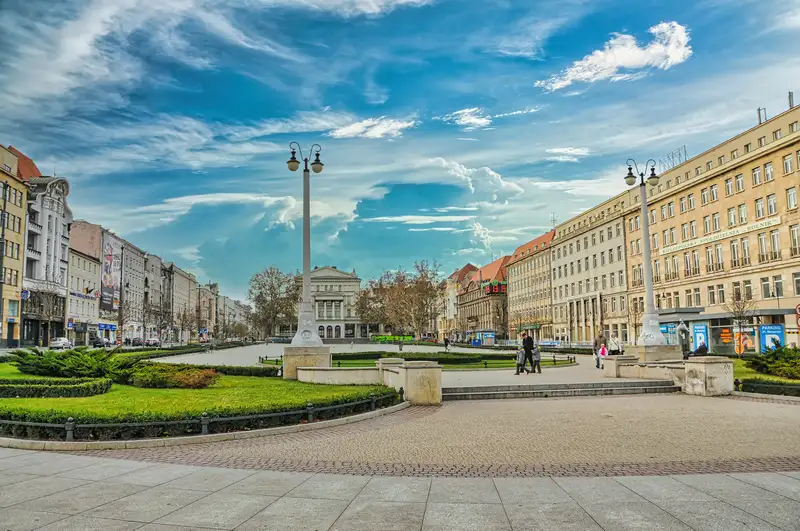
Poznan is walkable almost everywhere in the center, and you won't need anything else most of the time. Trams and buses are cheap and reliable, and the Jakdojade app will show you routes and times in English if you need them.
Electric scooters are plentiful if you prefer to roll. The Poznan City Card is worth considering if you plan to visit several museums, as it combines transport and discounts.
Where to stay
If it is your first visit, stay in or near the old town so the square and the river are a short stroll away. The streets around Stary Rynek put you in the middle of the cafes and the morning bakeries.
A few quick answers about Poznan
Is Poznan safe?
Yes, Poznan is a very safe city, also for solo travelers. The city center is quiet, well lit at night, and walkable. Be as careful as you would be in any other city, and you'll be fine. A little more care might be advisable around crowded nightlife areas very late at night, as elsewhere.
Is one day enough in Poznan?
Yes, it takes only a day to see all the main highlights of Poznan. Visit the Old Square, the goats at noon, Cathedral Island, and a museum or two, and make time for a nice dinner. Two days in Poznan let you slow down a little and take in the parks and the lake.
Is Poznan expensive?
No, Poznan is quite inexpensive by Western European standards. Food and drinks, museums, and even short taxi rides all cost significantly less than in many other larger European cities.
Is Poznan walkable?
Yes, Poznan is very walkable. The old town, the river, and most of the main highlights are all within walking distance of each other, on flat ground. You can see a lot on foot in a single day, without having to use public transport.
Is Poznan better than Krakow or Wroclaw?
Poznan doesn't try to out-Krakow Krakow or out-Wroclaw Wroclaw, and that is its secret weapon. Krakow is grander and much, much busier. Wroclaw is prettier in places, and has a greater charm quotient. Poznan gives you something the other two have partly lost along the way. And that is space. Fewer crowds, lower prices, and the sense that you are seeing a proper Polish city just getting on with normal life.
A last word before you go
I find myself thinking about that first noon in the square, the bitter coffee, the strangers' laughter at two metal goats. Poznan gave me a kind of peace I did not know I was missing. It required nothing, and it showed me everything in its own time.
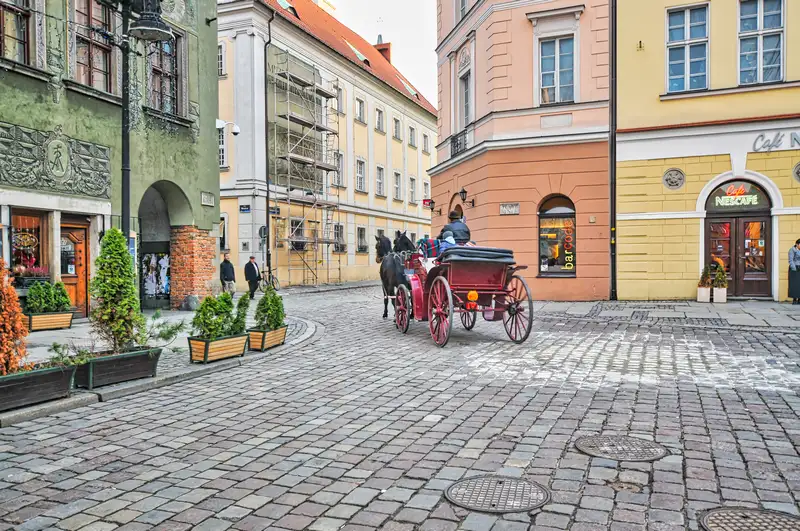
If you visit, don't hurry. Allow yourself to get a little lost in the side streets. Sit longer than you intended in a cafe in Srodka. Buy the second croissant. This is a city that rewards those who linger one more hour, take one more walk, and allow the place to seep into them. I think you will return home a little more softened than when you left. I did.