Warsaw's best attractions are unexpectedly subdued. You wander through an old town that looks ancient, only to discover it was reconstructed brick by brick after the war. A Chopin concert erupts in the park on a Sunday afternoon, and people listen on the grass. You wait at the counter of a milk bar, and the cook yells your number, and places a plate of pierogi in front of you.
I arrived in Warsaw thinking I'd be through it in a day. I ended up staying longer than that, and left still thinking about it for weeks. This is a city that bears a weighty history and yet still makes room for little pleasures. Let me show you what I took with me, and what I think is worth your time.
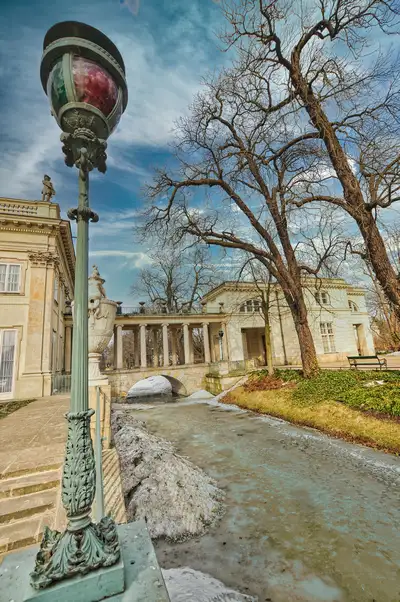
Table of Contents
What makes Warsaw different from other European capitals?
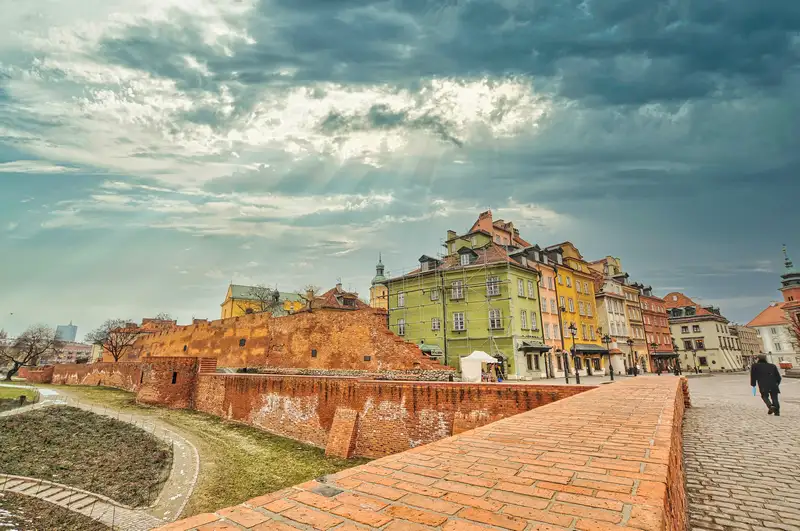
The thing about Warsaw is that nearly everything you look at is much newer than it seems. Most of the city was rubble by the end of the war, and most of what you see now was built in the decades since. You start to see it in a new light after you realize that. Every charming square is two levels deep.
A city that was rebuilt by hand
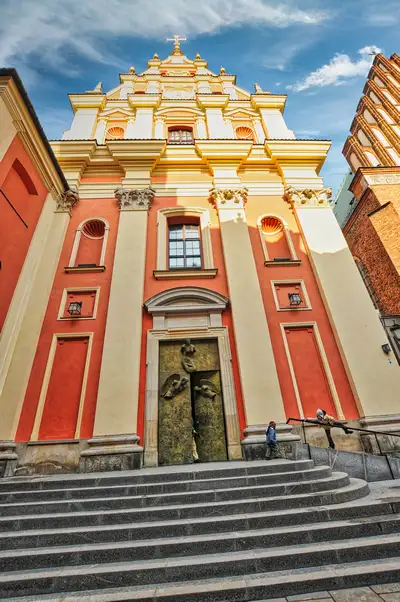
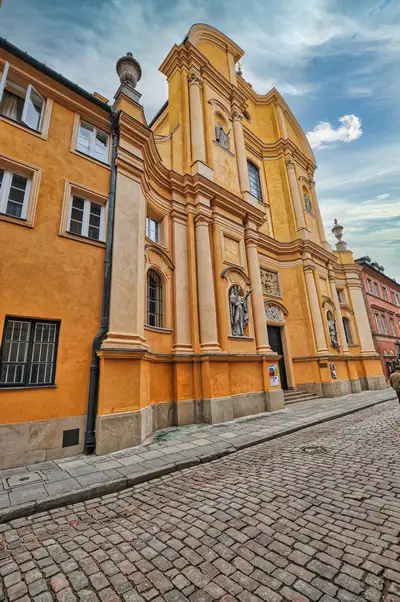
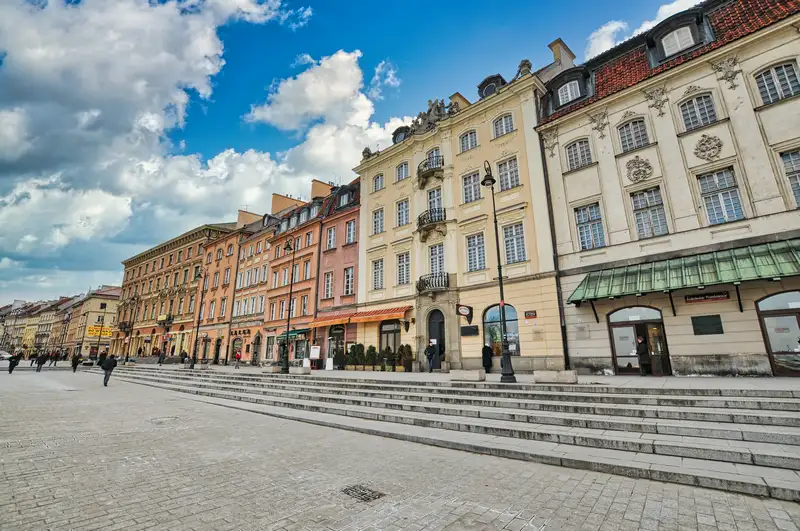
The Old Town is a masterpiece of historical reconstruction. Old paintings and photographs were used to recreate the missing buildings. Scenes of the city by the 18th-century artist Bellotto are among the resources consulted.
Some walls incorporate the original bricks excavated from the ruins and re-laid. I was haunted by that knowledge when I walked the streets. I couldn't stop tracing my fingers along the stone.
Old and new standing close together
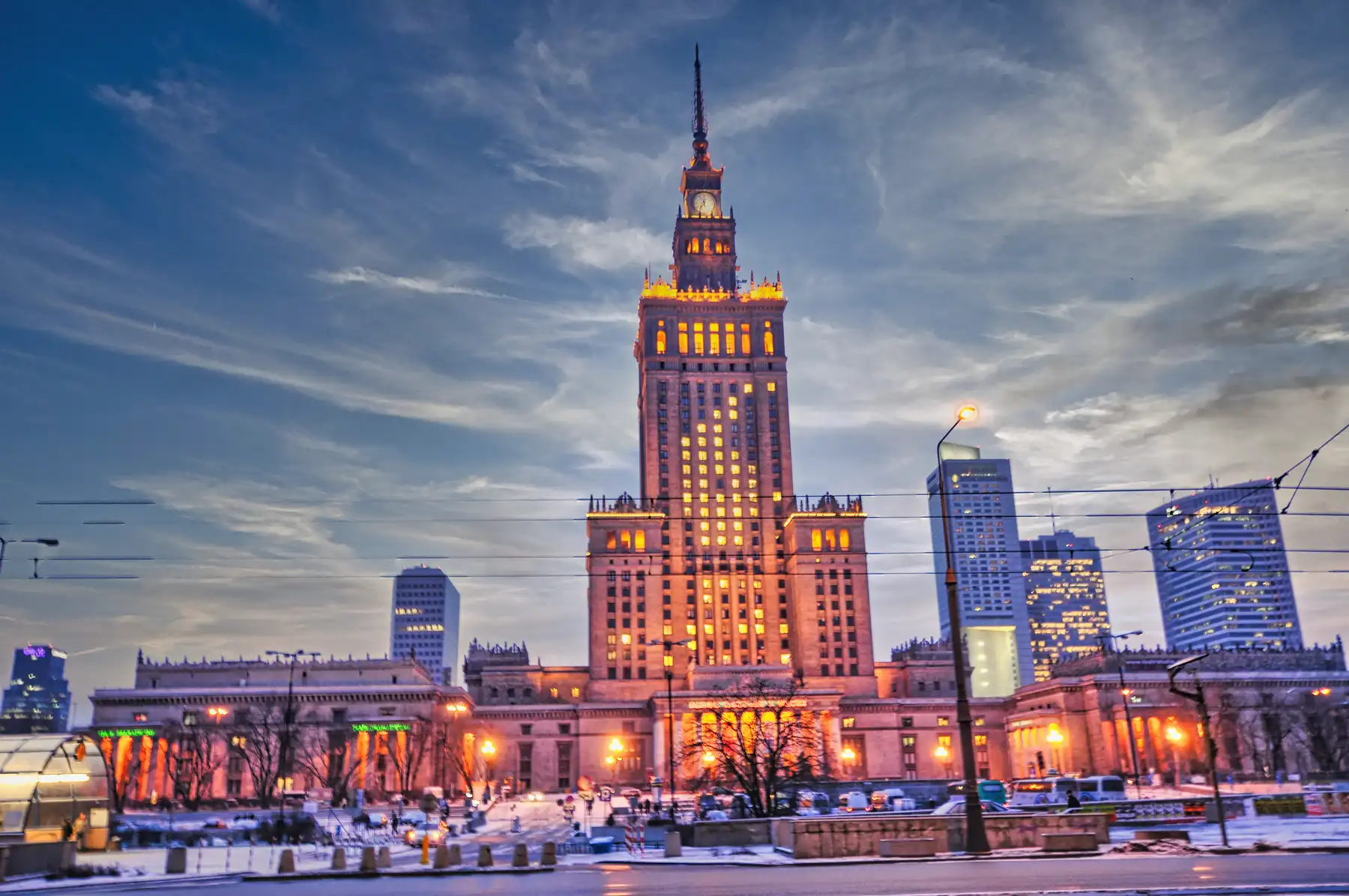
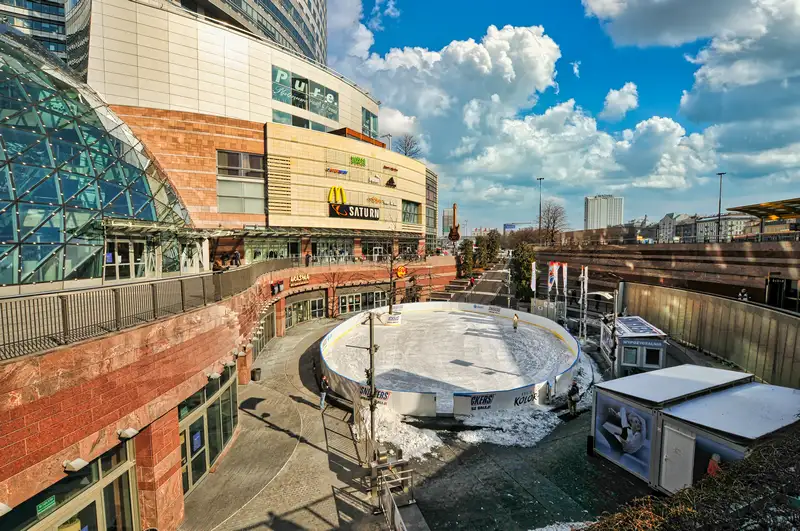
Warsaw isn't hiding its modern side, either. There are glass skyscraper blocks a few blocks from the reconstructed squares, and a thick stone communist tower looming in the city center. The combination is a little jarring at first. After a while, it felt honest. The city is not trying to pass itself off as something it isn't, and I came to appreciate that.
A short history that explains the city
Warsaw was nearly destroyed during the Second World War. By the time the guns fell silent, the buildings were mostly rubble and much of the population had been murdered or exiled. That's the fact upon which everything else in this city rests, and it is something I think is important to understand a little of before you visit.
The destruction of 1944
In 1944, the people of Warsaw rebelled against German occupation. The Warsaw Uprising lasted for weeks, ending in a crushing defeat. In the aftermath, much of the city was destroyed deliberately, block by block.
The numbers are staggering, and I will not romanticize them here. The Warsaw Uprising Museum tells this story far more movingly than I can, and I recommend it as the place to do so.
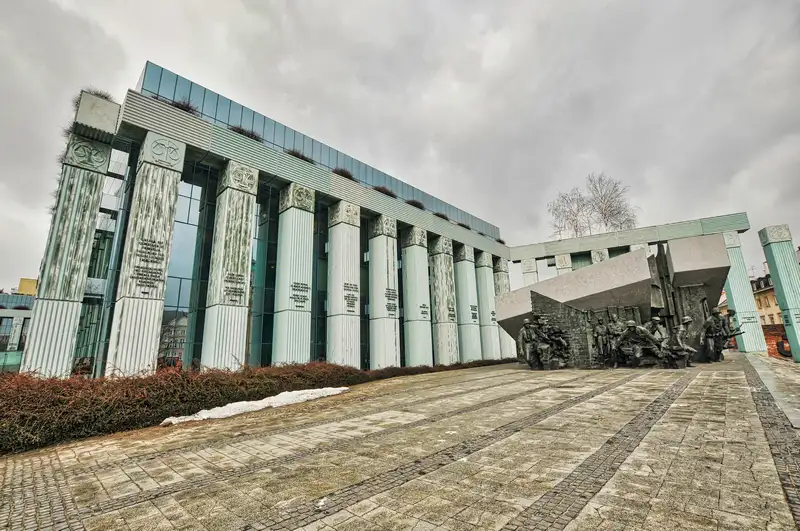
Rebuilding the Old Town
In the aftermath of the war, the people chose to rebuild Warsaw rather than start a new life elsewhere. The work took years. They pored over old drawings and salvaged what they could from the ruins.
The result is the Old Town you can walk around today. UNESCO would later add it to its list of World Heritage Sites, in part because of the fidelity with which it was reconstructed.
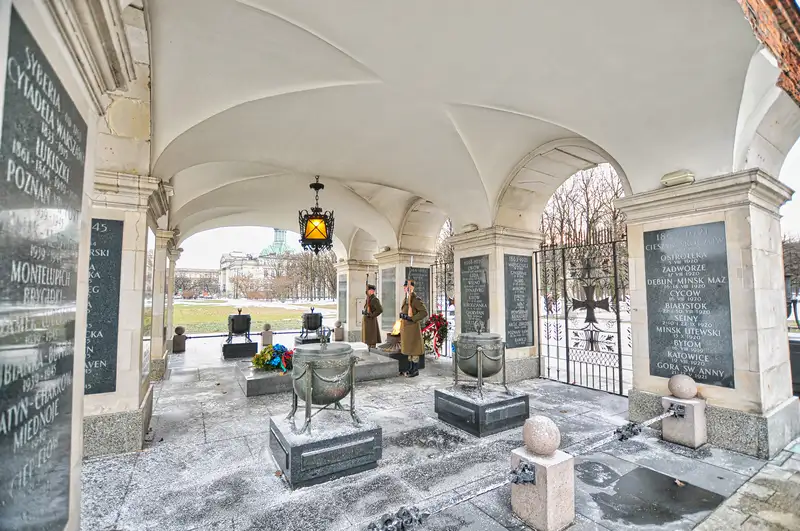
What are the best things to do in Warsaw?
Warsaw has the best of both worlds when it comes to fun things to do. You can take a quiet walk in a park, or while away the hours in a museum. The main sights all lie within a few blocks of one another in and around the Old Town, with some straggling a short tram ride out. These are my top picks of what to do in Warsaw.
Walk through the Old Town and Castle Square
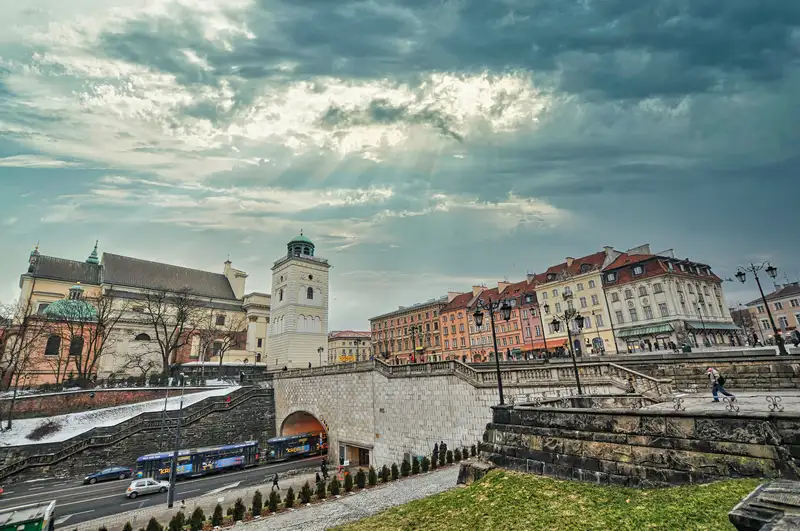
Begin at Castle Square. In the center is the tall Sigismund's Column, and behind it the pink Royal Castle. In the evening the square is full of people, and the cafes around the edge are good to sit and watch the light change.
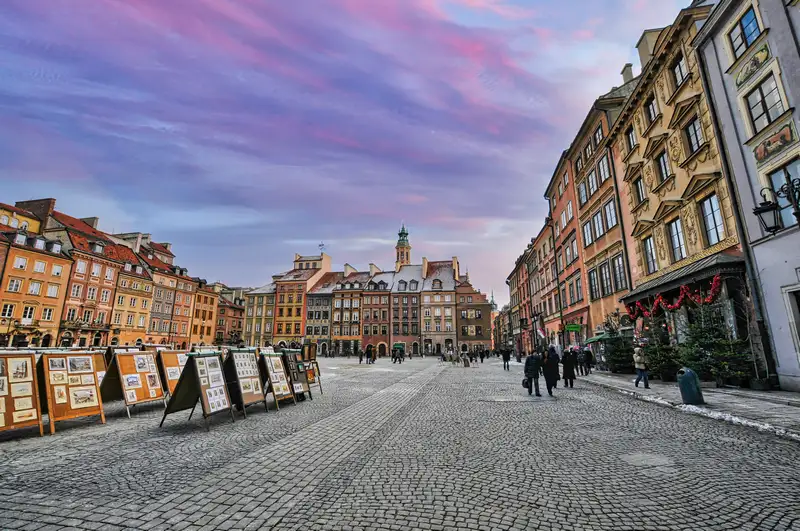
Step over the column and into the Old Town, and the streets narrow around you. You come to the Market Square, with its painted houses and the little statue of the mermaid who looks after the city.
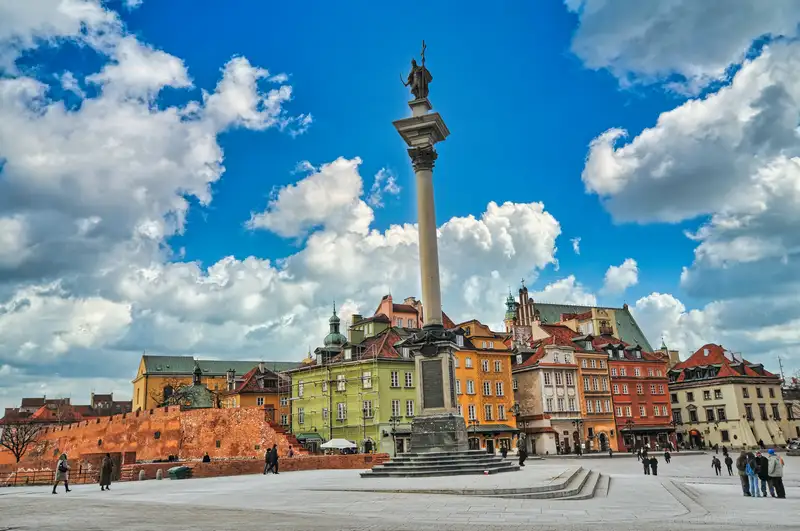
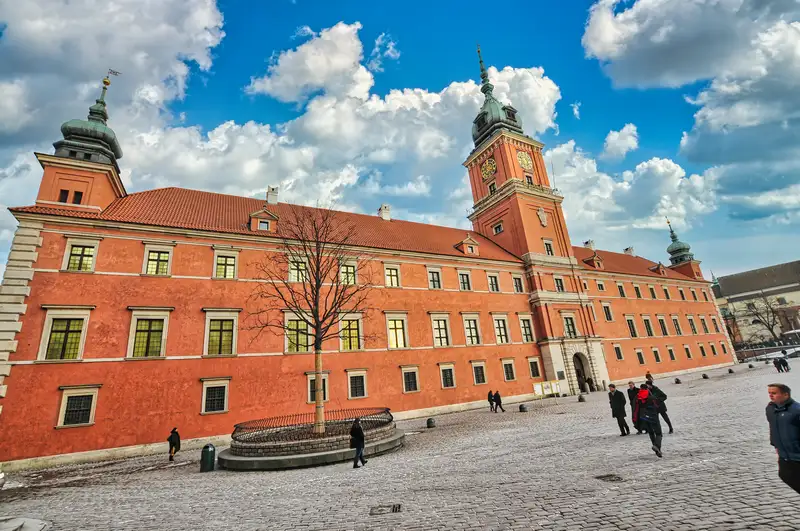
The Royal Castle
It's worth going into the Royal Castle too. The rooms have gold, mirrors, and old paintings, and the whole thing was rebuilt from scratch in the 1970s. The first modern written constitution in Europe was signed in one of the rooms in 1791, and that is still important to Polish people who come here. Allow time to wander on the upper floors.
The Barbican and the old walls
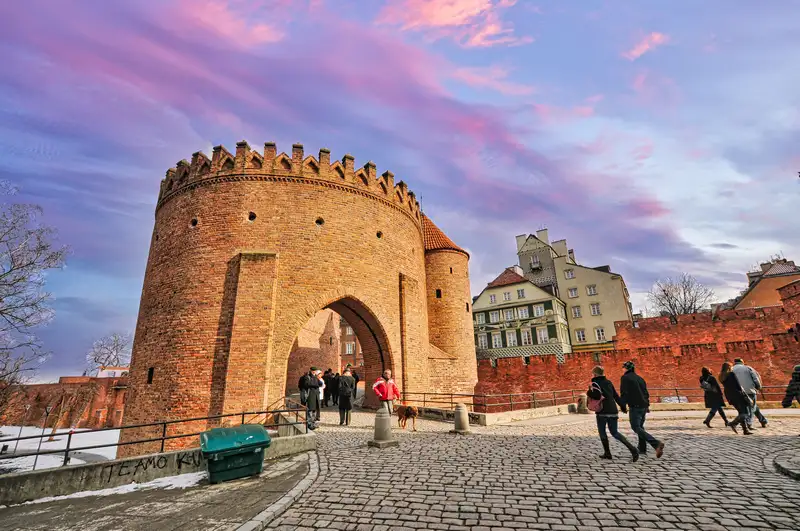
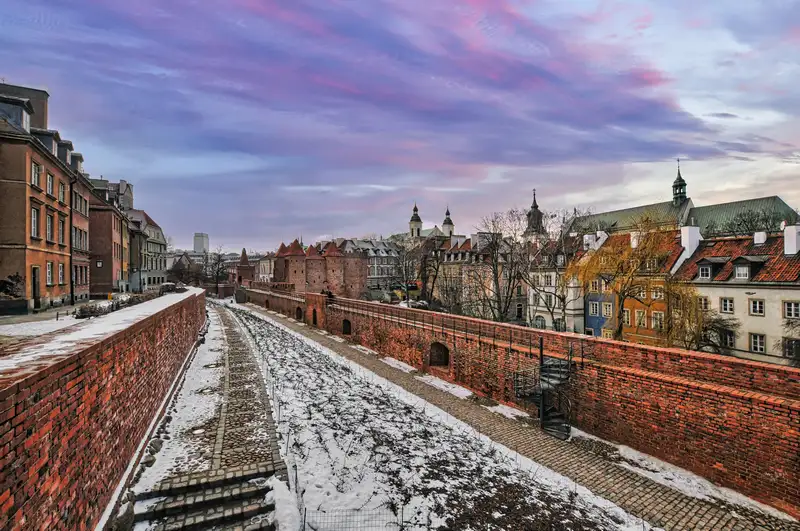
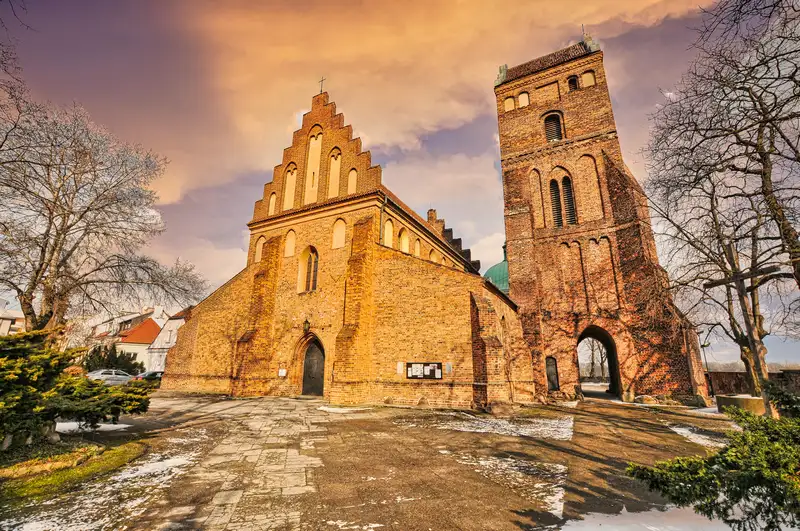
Walk a few minutes from the Market Square, and you come to the Barbican. This is a round brick gate set into the old walls. You can walk along part of the wall. In summer there are often stalls and street music around here, and the brick walls glow a soft orange when the evening lights come on.
Follow the Royal Route to Łazienki Park
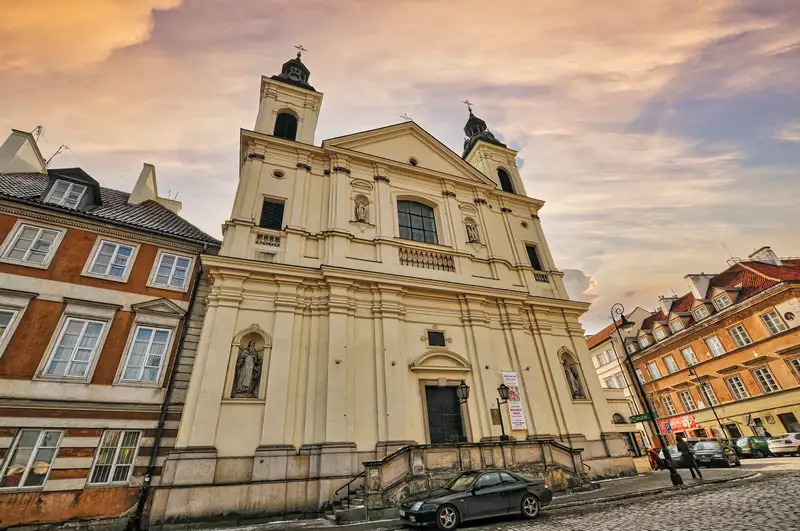
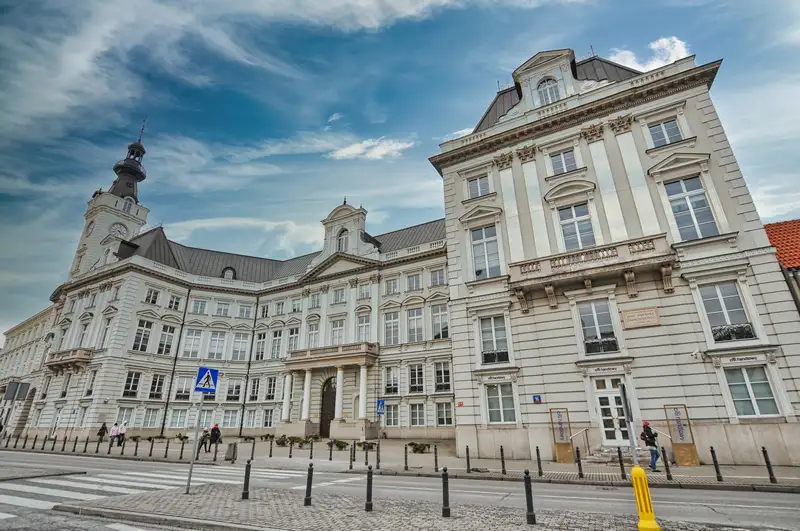
Walk south down the Royal Route from the Old Town. It's a long street with different names on different sections. It runs past churches, the university, and some beautiful old buildings, and finally ends at Łazienki Park.
The park and its Sunday concerts
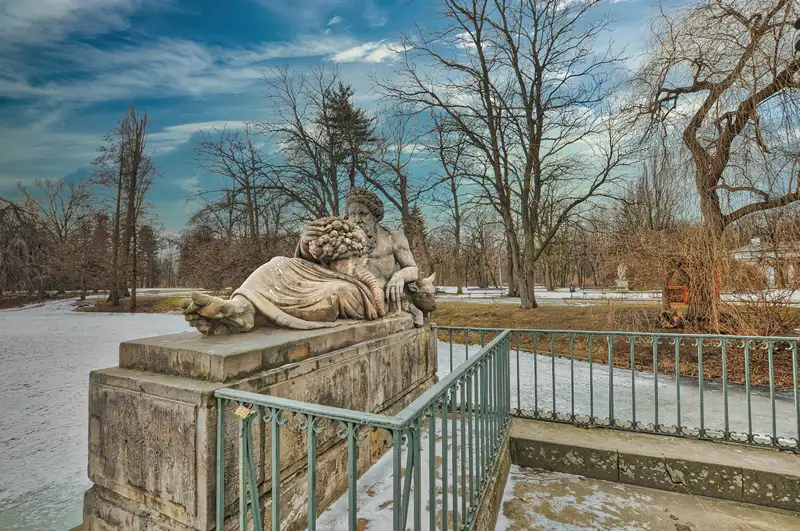
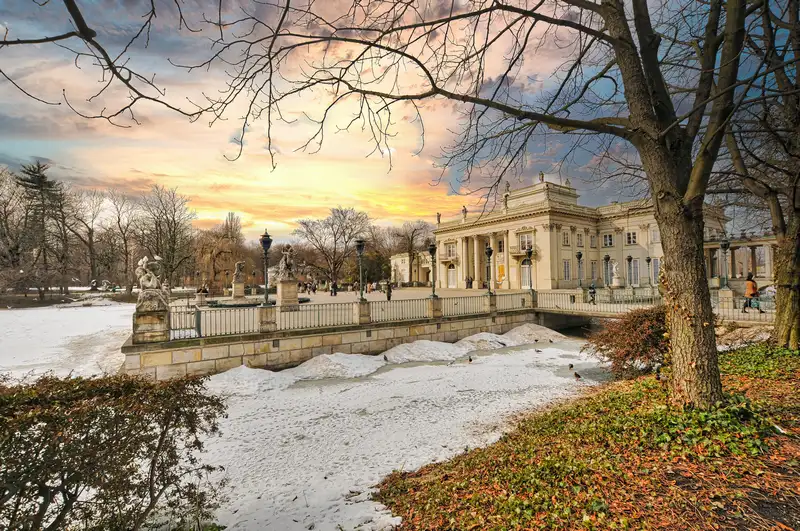
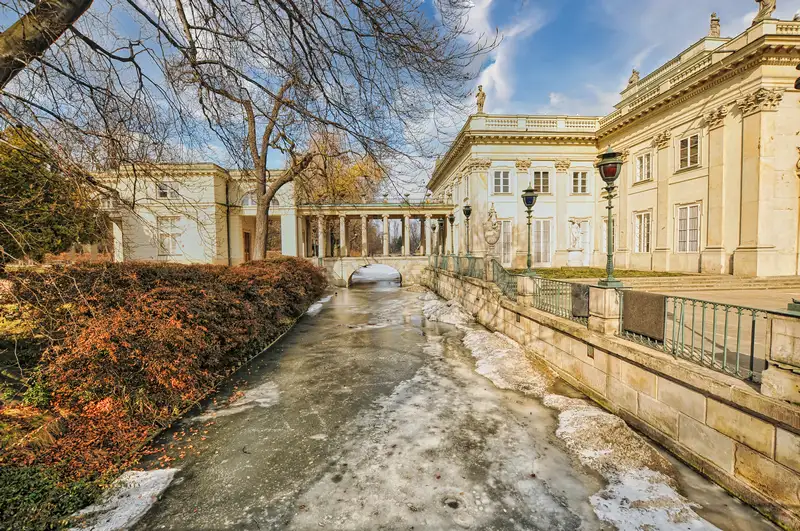
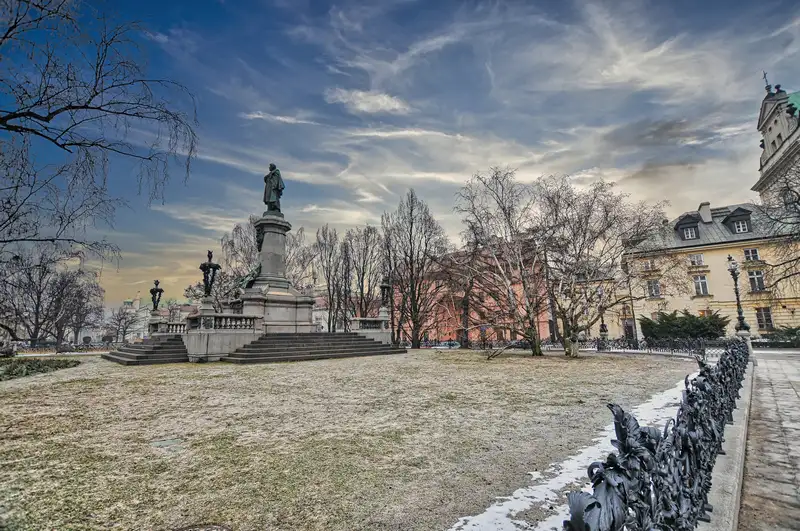
Łazienki is a big green park. It's got a little palace sitting on the water, and peacocks strutting around on the paths as if they own the place. On summer Sunday afternoons they have free Chopin concerts near his statue. I sat on the grass with a group of strangers and listened. For a little while I didn't want to move at all.
See Wilanów Palace
A short way outside the center, Wilanów Palace is a good way to experience a calmer side of Warsaw. It's a royal palace with brightly decorated rooms and formal gardens that are nice to walk around on a slow day. It's a bus or short ride from the center, and makes a good easy half-day trip if you're tired of the busier parts of town. I went on a grey morning and pretty much had the gardens to myself.
Go up the Palace of Culture and Science
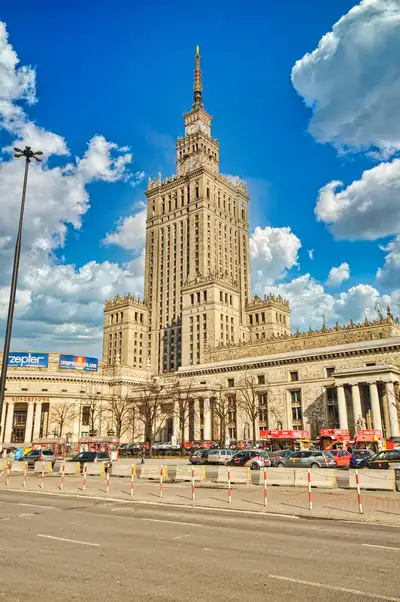
The Palace of Culture and Science is that big block of stone you can't avoid. Gifted by the Soviet Union in the 1950s, it has been the subject of mixed emotions ever since. Visit it anyway. Head to the viewing floor to see the city's full shape. There are old roofs bunched together on one side, and glass towers reaching on the other.
Cross the river to Praga
Praga sits on the far bank of the Vistula and avoided a lot of the damage of the war. The houses here are older and rougher, and the whole place has slowly filled with little bars, artist studios, and wild street art. Neon Museum sits here too. It is housed in an old factory yard, and holds a collection of shining signs rescued from the communist era.
Slow down along the Vistula
When your feet are tired, make your way down to the river. The western bank has cafes, benches, and wide walkways, and in the warmer months, little beaches and bars open on the wilder east side. I spent one evening there and watched the light settle on the water. The city seemed to put down its weight for a moment.
Which museums are worth your time?
Warsaw has better museums than you'll ever have time to see, so you have to be selective. Two of them confront you with the city's most painful history, and a few others provide a lighter afternoon when you need one.
The Warsaw Uprising Museum
The Warsaw Uprising Museum details the 1944 rising and the lives that it swallowed up. It is a museum of real craftsmanship, one that uses film, sound, and objects to make the events feel intimately real. It is intense, and it needs to be. I'd visit early in your stay, because it gives meaning to nearly everything you'll see in the rest of the city.
The POLIN Museum of the History of Polish Jews
The POLIN Museum covers a thousand years of Jewish life in Poland, including the years of the Warsaw Ghetto. It doesn't rush through the darkest parts, nor does it let those chapters devolve into one single emotion. I left the museum silent and grateful that it exists. It stands on land that the ghetto once occupied.
Lighter museums for a change of pace
If you're in the mood for something lighter, the Copernicus Science Center has hands-on exhibits and is worth a visit with children. The Chopin Museum is for anyone who falls under the spell of his music, and the Museum of Warsaw, just off the Market Square, tells the long story of the city with a stunning view from its top floor.
What is the food like in Warsaw?
Warsaw food is warm, hearty, and hard to resist. Polish cuisine is built on dumplings, soups, and good bread. In the city, it's easy to eat well and on the cheap.
Milk bars and the dishes I keep thinking about
The places I returned to again and again were the milk bars, the no-frills canteens that have nourished generations of this city's inhabitants. You order at the counter, you wait for your number to be called, and you eat your pierogi or your bowl of sour rye soup at a communal table. I got zapiekanka, a long toasted roll with cheese and mushrooms, from a street stand more than once. If you're looking for something sweet, seek out a pączek, a soft doughnut filled with rose jam. None of it is fancy, and it made me happy every single time.
Planning your trip to Warsaw
When is the best time to visit?
The best months to visit Warsaw are late spring through early autumn. At that time of year, the parks are green, and the riverside is full of life. Summer is hot and busy with open-air concerts and street markets, but also brings crowds of tourists.
Autumn was the best for us in Łazienki, when it turned quiet and golden. Winter is cold and dark, but if you can bear it, the Christmas market on Castle Square and the lights strung through the Old Town have their own appeal.
How long to stay?
Three days is a good length of time to spend in Warsaw. That will allow you to see the Old Town, two or three museums, take a long walk in Łazienki and spend an evening across the river in Praga. If you want to slow down or add a day in Wilanów, then a fourth day will not be wasted.
Getting around
Warsaw is easy to navigate. The metro, trams, and buses span the city and run late, and a single cheap ticket is valid on all of them. The center is also walkable, and ride apps like Bolt are ubiquitous and not crazy-expensive for when your legs betray you on a night out.
Where to stay
Stay in or near Śródmieście, the city center, to keep the major sights all within reach. The Old Town is charming, but it empties at night. The streets around Nowy Świat will place you even closer to the cafes and bars.
Frequently asked questions
What are the best things to do in Warsaw?
The best things to do in Warsaw are walking the rebuilt Old Town, hearing a Chopin concert in Łazienki Park, climbing up the Palace of Culture and Science, and visiting the Warsaw Uprising Museum and POLIN Museum. Praga and the riverside are also good ways to spend your time.
How many days do you need in Warsaw?
Most people manage quite happily with three days in Warsaw. This is enough time to see the Old Town, two or three museums, and a stroll around the parks, with some time left over to get to Praga in the evening.
Is Warsaw a good city for a weekend?
Warsaw works well for a weekend. Two days is enough to see the Old Town, one large museum, and a few good meals, although you will probably want to stay longer.
What are some free things to do in Warsaw?
The best things to do in Warsaw are often free. You can walk around the Old Town, take a stroll along the Royal Route, sit in Łazienki Park, attend a Sunday Chopin concert in summer, and look at the river at dusk.
Why Warsaw stays with you
Warsaw lingers in the memory not because of one particular sight. Rather, it's a sensation you take away with you. Of a place that lost nearly everything, and decided to build itself up, brick by brick, and then carry on living. You can sense it in the Old Town, where the walls are younger than they look. You can sense it in the parks on a Sunday afternoon, when the music starts. You can sense it when a plate of food is pressed across a counter and into your hands.
Warsaw doesn't rush to win you over. It lets you arrive with low expectations, and then it starts to surprise you, quietly, day by day. By the time I left, I knew why people familiar with the city speak of it the way they do. Take your time. Educate yourself a little about its history before you go, and let it grow on you. I think it will.