I almost didn't come to Wroclaw. It was a name that I almost couldn't pronounce aloud. A city that most travelers race past on the way to Krakοw. I almost raced past it, too. I am so happy I did not. The best things to do in Wroclaw start quietly, with nothing more than a slow walk and the willingness to keep your head down, because the city tucks small bronze dwarves into its doorways and along its curbs, and the second you spot your first, something in your chest relaxes.
I came to this city knowing almost nothing. I left with a phone full of photos of tiny statues, a painted square I still see when I shut my eyes, and the memory of a man in a long coat who strolled through the growing darkness, lighting gas lamps by hand, one by one, while the river beside him went dark, too. This is a city built on islands, stitched together with more than a hundred bridges, painted in colors you don't expect to see this far north. It does not shout for your attention. It waits. Let me show you, slowly, what it gave me, and what I think it will give you, too.
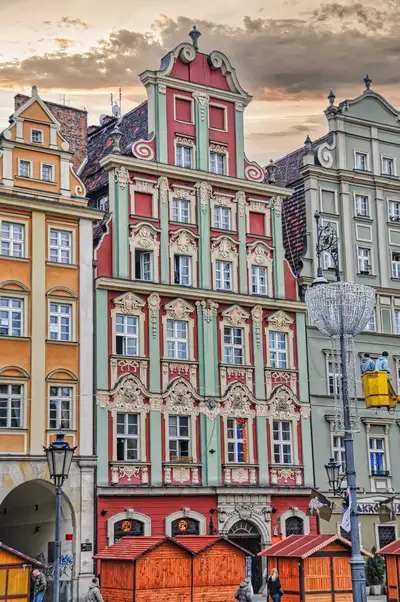
Table of Contents
What makes Wroclaw different?
It's a different city. It never feels like it's rushing anywhere. The fourth-largest in Poland, it's large enough to have a real history and a real old town, but it moves at the pace of a place many times smaller. You sense it within an hour. You see people sitting by the river in the afternoon, with nowhere to be. Cafes are full, but they're never frantic. There's space to breathe here, and that, more than any single sight, is what I carry with me.
A city of islands
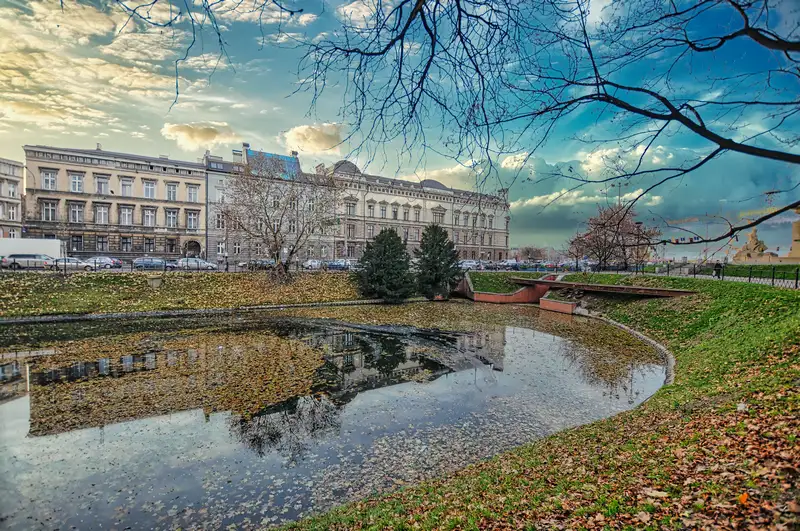
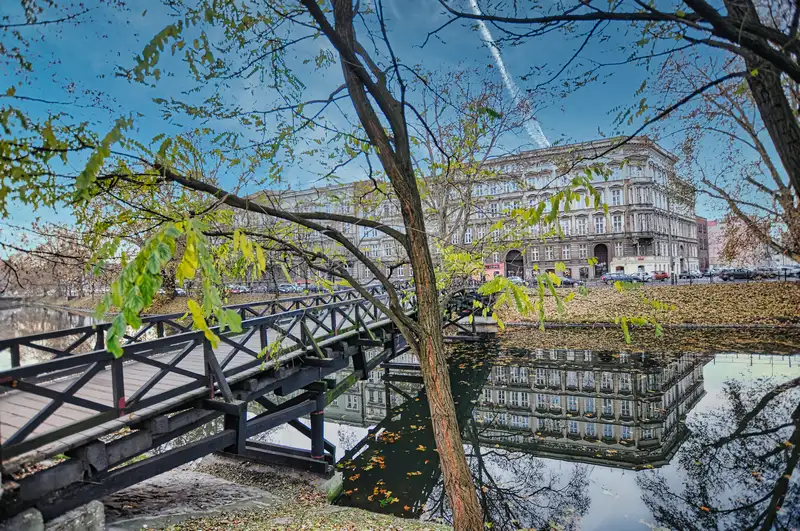
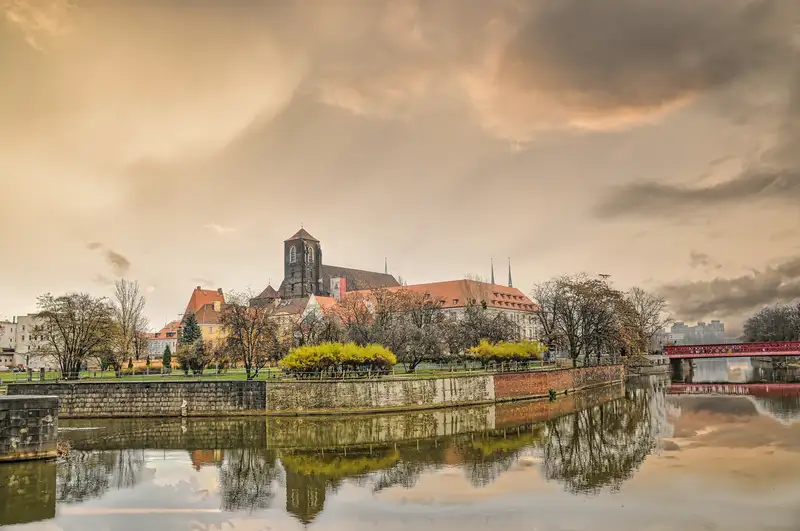
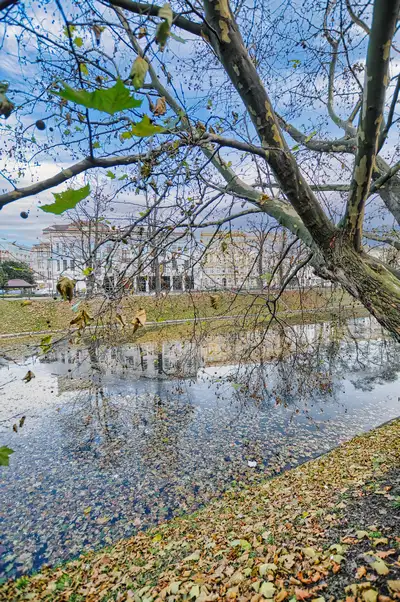
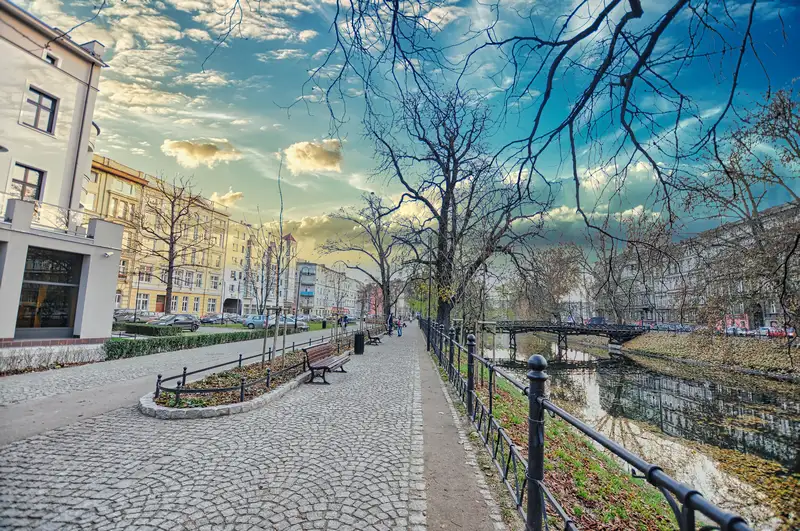
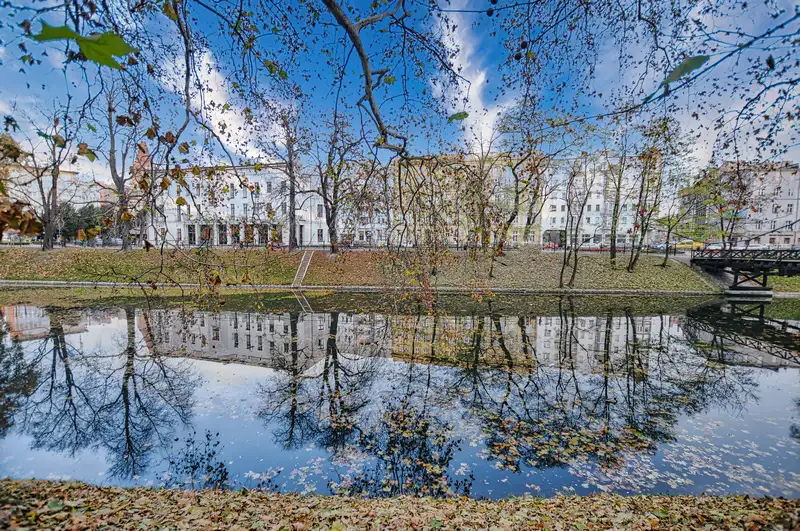
Water dominates Wroclaw in every way. The Oder River forks into channels where it flows through the center of the city, and the town expanded onto the small islands left between them. There are over a hundred bridges to cross, some grand, wrought-iron girders, some you cross without realizing you've crossed them.
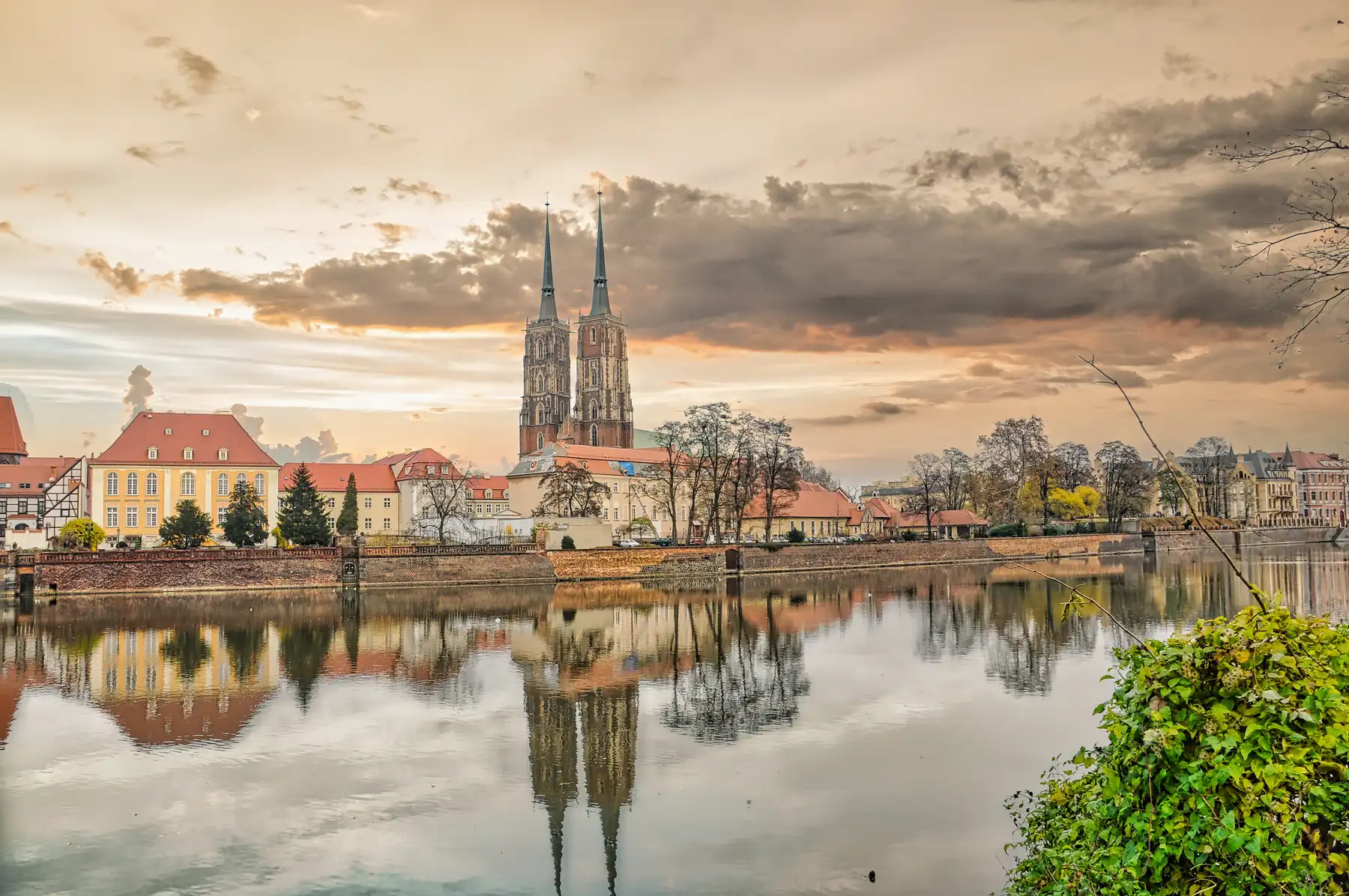
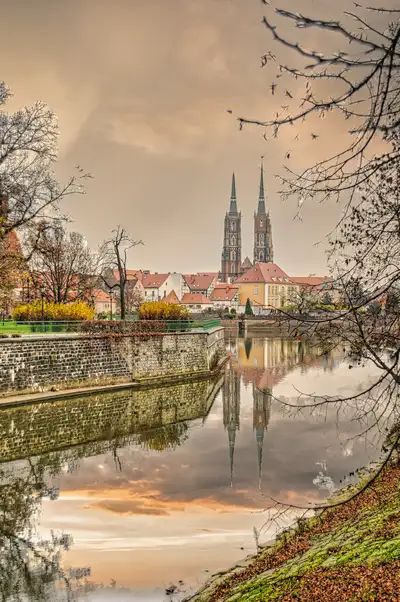
Wroclaw is often called the Venice of Poland, which is, to say the least, reaching, but on a quiet morning, with the light still lying flat on the water, you see where the name came from. Cathedral Island, the oldest part of the city, was the very first bit of earth anyone built on. Everything radiated outward from there.
The colors of the old town
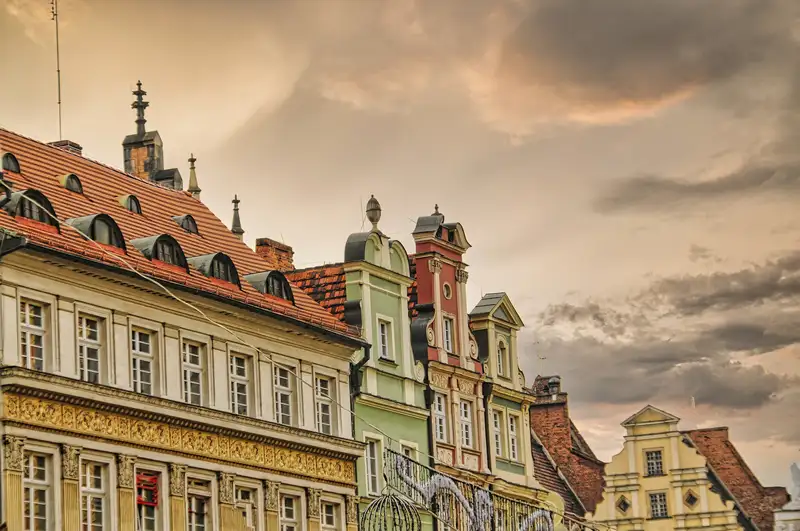
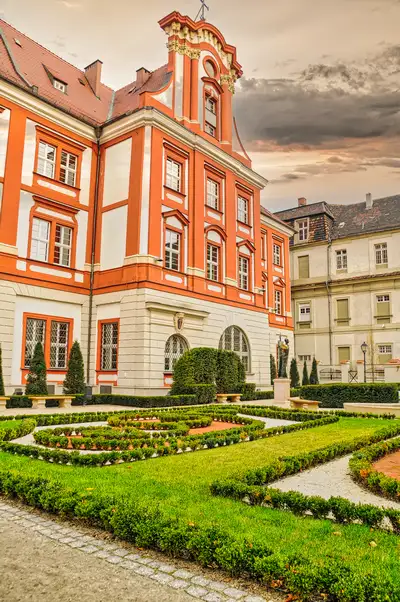
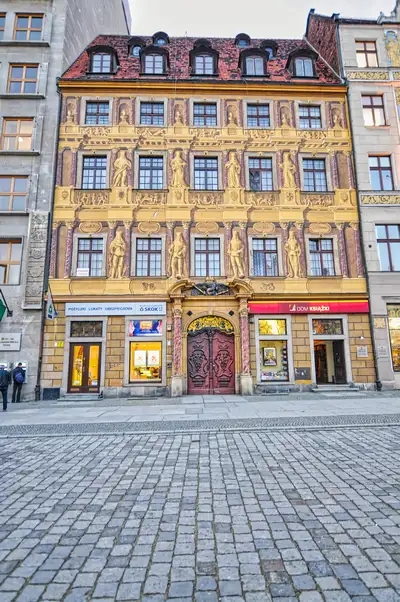
The market square in Wroclaw is painted. Every house around it is a different color – soft pink, pale green, ochre, dusty blue – and each has its own roofline and carved front. This isn't what I expected from a city this far north. I'd been expecting grey stone and a leaden sky.
Instead, the square feels warm even on a cloudy day. The houses aren't all original, since so much was rebuilt after the war, but they were put back with such care that you don't notice.
A student city with a slow pulse
Wroclaw is young. It has one of the largest student populations in Poland, and you feel it in the cafes, cheap bars, little vegan places, and record shops down the side streets.
Wroclaw was a European Capital of Culture some years back, and the art scene has never really cooled off since. None of it feels showy or show-boating. The students give the city its life without making it loud. You can have a long night out here or a very quiet one, and both feel right.
A short history, from Breslau to today
A little background to get you started in Wroclaw: First of all, this city was not always Polish. For most of its history it was German, and had another name. The journey from there to here threads through some of the worst years of the last century, and it's worth a few moments of quiet before you begin.
The German centuries
For centuries this city was known as Breslau. It lay in a territory called Silesia that changed hands among the Bohemians, the Austrians, the Prussians, and the Germans over the years. Each left their mark on the churches, the squares, the great university by the river. By the early twentieth century, Breslau had become a large and prosperous German city. If you let your eyes wander, you can still sense that older identity in the bones of the city, in buildings that predate all the borders we know today.
Festung Breslau and the rebuilding
Near the end of the Second World War, the city was turned into a fortress. In early 1945, the German command ordered Breslau to be held against the Soviet army at all costs, and the siege that followed lasted for months. By the time it was over, much of the city lay in ruins.
When the war ended, the borders were redrawn west, the German residents left or were expelled, and Polish families, many of them expelled from their own homes far to the east, arrived to start again. They renamed the city and set about the slow, careful work of rebuilding it, brick by brick over decades.
I think you should take this quietly with you as you walk around. The beauty of the old town is real, but it was also hard-won. It helps to remember that the colors went up over something that was once rubble.
What are the best things to do in Wroclaw?
The best things to see and do in Wroclaw are almost all free. They're slow. They're outdoors. This is not a city made for ogling a great monument once, and leaving. This is a city to get lost in. The things that stuck with me, I found mostly by looking up. Or by turning down a side street with no plan. This is what I would not miss, in more or less the order I would do it.
Start in the market square
Begin in the Rynek, the great market square at the center of everything. It is one of the largest medieval squares in Europe, and the first morning you should do nothing in it but walk. Make a full lap. Let the colors and the rooflines sink in. Cafes set their tables out under the houses. An hour here, with a coffee watching the square slowly come to life, is an hour well spent.
See the Old Town Hall
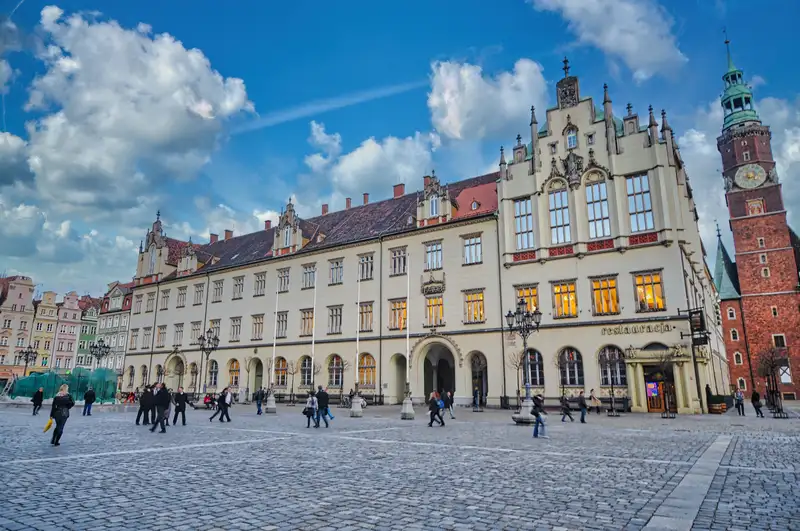
In the center of the square stands the Old Town Hall, the building you will photograph most. It took almost two hundred years to complete, which is why its front is a patchwork of styles, with spires, fine stonework, and an old astronomical clock. Inside is the city museum, and beneath it a cellar tavern called Piwnica Świdnicka that has been serving beer since the Middle Ages. Walk the entire way around the building. The back of it is as impressive as the front.


The Hansel and Gretel houses and St Elizabeth's tower
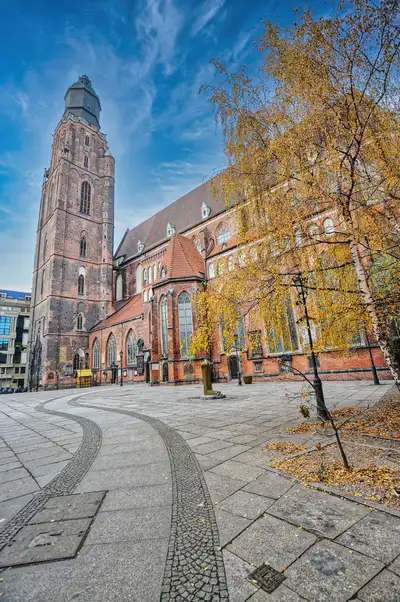
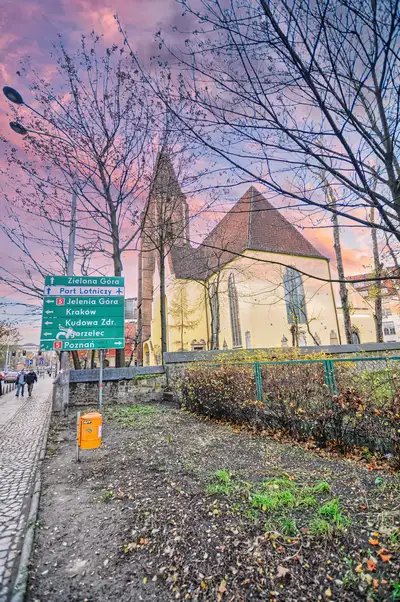
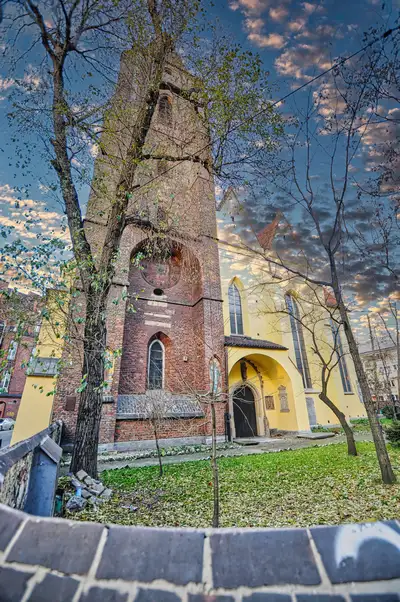
On the northwest corner of the square are two small houses, leaning towards each other, connected at the top by a low arch. Everyone refers to them as Hansel and Gretel. At one point, the arch was the entrance to a church graveyard. Walk through it, and you find yourself at St Elizabeth's church. You can climb the tower, a fair number of steps with no lift, but the views from the top are the best in the center, red roofs running off in every direction and the river threading through them. Go up in the late afternoon if you can, when the light turns to gold.
Plac Solny, the square next door
Plac Solny is the square next door. Sits just off the Rynek; it is the old salt market. It is smaller, plainer and easy to walk past, which is partly why I loved it. Flower stalls have traded on this spot for centuries, and some stay open right through the night, their lights on while the rest of the city sleeps. I came back here more than once, usually late, usually for no reason at all except I liked how it felt. It is the kind of corner you only find by slowing down.
Cross to Cathedral Island
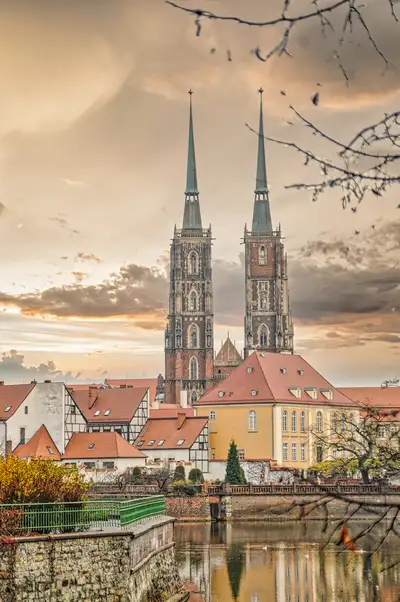
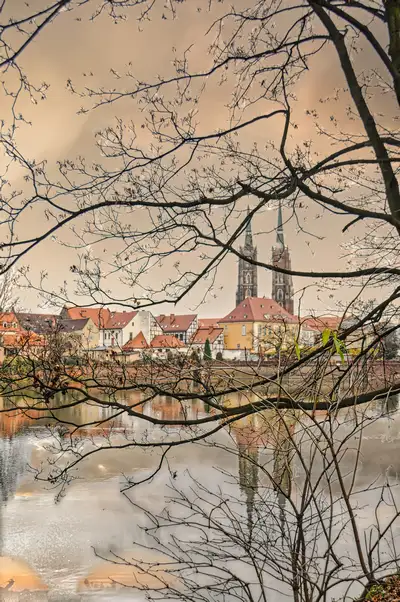
Walk east from the square, and you come to Cathedral Island. It is the oldest part of Wroclaw. Called Ostrów Tumski, you get there over a short bridge across the Oder. The change is immediate. The crowds fall away, the streets turn to cobbles, and two great cathedral towers climb above the rooftops. This is where the city began, more than a thousand years ago. It still feels set apart from everything around it, older and quieter, like a held breath.
Wait for the lamplighter
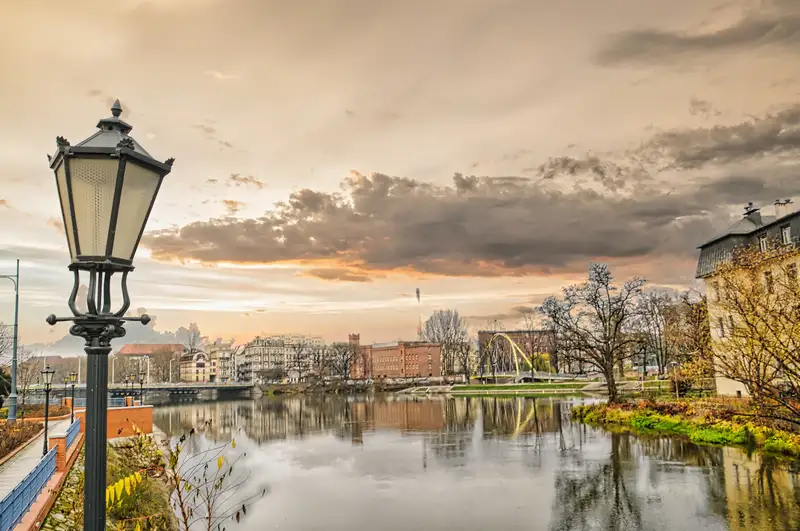
Don't leave Cathedral Island until the sun has set, for the lamplighter. Wroclaw is one of the last cities in Europe where street lamps still run on gas, and each night a man in a long, dark coat and a top hat walks the island, lighting each one by hand with a tall pole.
I watched him the first night, without knowing to watch for him, and he stopped me where I stood. It is not staged, nothing about it. The lamps must be lit, and so he lights them, as someone has done here, for generations. The glow comes up slow and warm down the street, lamp after lamp, until the whole island is lit and at last the day is gone. If you do one thing this evening, let this be the one.
Go hunting for the dwarves
Somewhere on your first day, you will find your first dwarf, and from then on, you cannot stop. They are small bronze figures, most no taller than your shin, hidden in the hundreds throughout the city.
They started as a serious thing. In the 1980s, the peaceful protest movement against the communist government adopted the image of a dwarf as a joke against the powers that be and painted it on walls. When the change came, the first bronze dwarf was embedded into the street as a memorial to all that had passed, and from there the city added more and more.
Now you can find a dwarf for almost anything. One sleeps. One rides a motorbike. One pushes a tiny stone uphill and never reaches the top. Children drag their parents from corner to corner looking for them. I did, and I am no child.
Stand inside the Racławice Panorama
Make time for the Racławice Panorama. There's not much like it, anywhere. It's one painting, but a huge one, fifteen meters tall and curved in a full circle, a hundred and twenty meters long. It depicts a battle from 1794 and hangs in a specially built round gallery, so you stand in the very center as it curves all around you.
The painted ground seems to melt into real soil and props laid at your feet, and for a moment you lose track of where the canvas ends and the room begins. Book ahead because the slots are timed and fill up. The ticket usually lets you into the nearby National Museum on the same day.
The Witches' Bridge
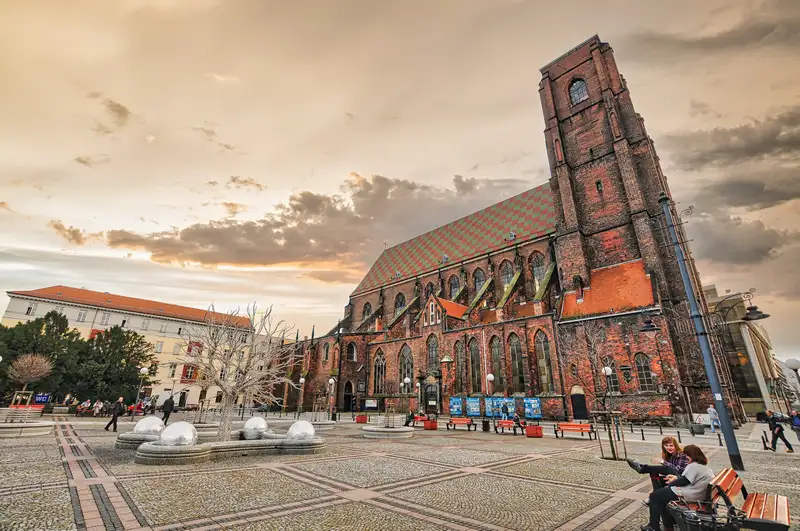
High up between the two towers of St Mary Magdalene church runs a narrow walkway called the Penitents' Bridge, though most people know it as the Witches' Bridge. A long spiral
At the top you step out onto a slim bridge forty-five meters above the street, with the market square spread out below. Wrongdoers were said to be brought here in earlier times to do their penance. It's not for anyone afraid of heights, but if you are steady, it's a view over the roofs that you will not soon forget.
Slow down on the islands
Spend an afternoon doing nothing on the islands. Upriver from Cathedral Island is a group of small green islands in the river. They are taken over in the summer months by the students of Wroclaw.
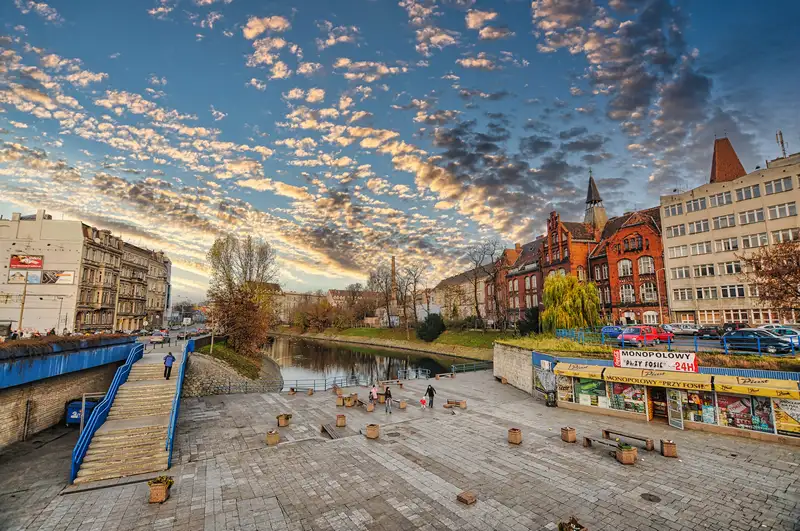
Słodowa Island is the center of the action. It is a patch of grass and trees where people sit with a beer, listen to some little music, and watch the water go by. There is nothing to see here, and no ticket to buy. That is the point. I whiled away an evening on the grass, in the company of the lit-up bridges all around me. It turned out to be one of my favorite things in the city.
What about the museums and bigger sights?
Few of Wroclaw's greatest sights are in the city center, but they aren't far away, and a tram will get you there in minutes. You don't have to see them all. Choose the one or two that call to you, and skip the rest for another time.
Centennial Hall
Centennial Hall is an enormous, domed structure from the early 20th century that was added to the UNESCO list for its architecture. At the time of its construction, its concrete dome was one of the largest ever attempted.
Surrounding it is a long reflecting pool, a tranquil park, and an odd spire of steel. In the summer months, a fountain here puts on a light-and-water show with music in the evenings, and families flock out to watch the water rise and fall with the light show. It is a short tram ride east of the center, and it fits neatly into a trip to the zoo next to it.
The National Museum
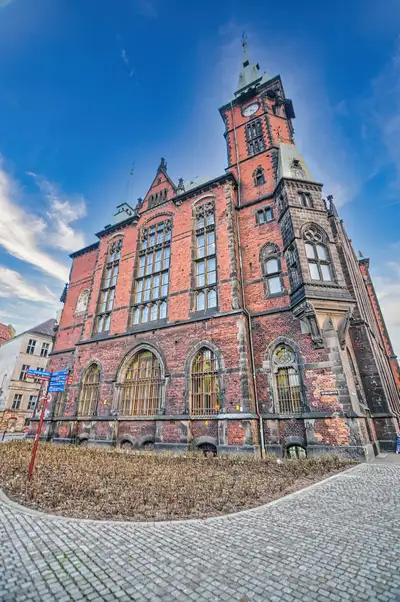
The National Museum houses the city's great collection of Polish and Silesian art across several gallery floors. There are medieval carvings, old masters, and entire rooms of paintings that reward a stroll.
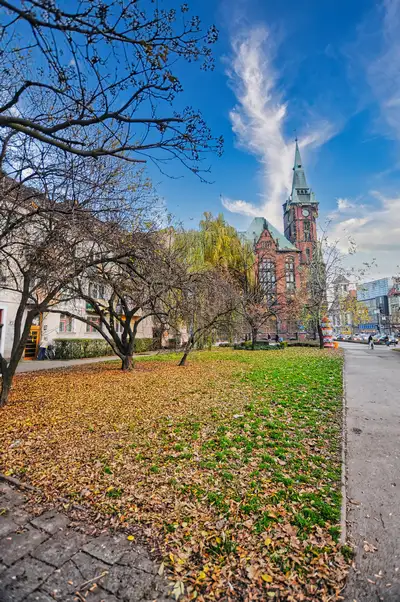
The building itself is worth a visit, a heavy brick palace that in autumn disappears beneath a blanket of red creeping vines. Your Panorama ticket often includes entry here as well, so the two pair well together in an afternoon. If museums are not normally your speed, give this one an hour.
Hydropolis
Go to Hydropolis if you are traveling with children, or, indeed, if you like to be surprised. It's a museum devoted to water, built within a giant, old underground reservoir, and far more fascinating than that basic description sounds.
There are deep-sea dioramas, old diving suits, and dark rooms that simulate the ocean floor. It's interactive and very clever, and a place where it's easy to lose an hour or two. It's the modern museum I would send a family to first.

What is the food like in Wroclaw?
Food in Wroclaw is filling, inexpensive, and much better than you've been led to believe. This is a place where you can eat extremely well for next to nothing, and where the meal you'll remember most might also be in the plainest room you passed on your way in.
Eat at a milk bar at least once
Locate a milk bar on your first day. These are old-school canteens, called bar mleczny, that survived the communist era when the state ran canteens to feed working-class people. They are found all over town, and still serve basic Polish home cooking for a few coins. You read the menu on a board, order at a counter, carry your own tray, and sit down at a shared table with students, old men, and office workers on their lunch break. The food is honest, and the bill is almost nothing. Do not go looking for atmosphere. The bare room is the atmosphere.
What to order
A half-dozen dishes are worth trying before you go home, and you will find all of them without too much effort.
Pierogi
Start with pierogi, the soft filled dumplings found on every menu in town. The classic is ruskie, filled with potato and soft cheese, but they'll also be stuffed with meat, mushrooms and cabbage, or fruit in the summer. You can order them boiled or fried. Order a plate, then order a second because one is never quite enough.
Żurek
Then try żurek. It is a sour rye soup that sounds disgusting and tastes like home. It is thick and slightly acidic, typically with sausage and egg, and the good places serve it in a hollowed-out loaf of bread so you can eat the bowl when you finish the soup. On a cold day, there is nothing better.
Pączki
If you want something sweet, get a pączek. It is a Polish doughnut, round and a bit dense, stuffed the old-fashioned way with rose-petal jam and finished with sugar or glaze. Get one warm from a hole-in-the-wall bakery in the morning and eat it on the street while standing. It is a small, simple happiness, and I had one almost every day.
Day trips from Wroclaw
Wroclaw is a convenient hub for a day trip beyond the city, if you have the time to get away for a day or more. You don't have to leave, not really. Three days in Wroclaw alone will keep you plenty busy. But the land around it is nice, and two excursions in particular come to mind.
Książ Castle
The most popular day trip, by a wide margin, is to Książ Castle, the third largest castle in Poland. It sits pink and turreted on a wooded hill a good hour and a half away, and it looks like it was lifted from a storybook. Its history stretches back seven hundred years, but the oddest chapter is the recent one. Secret tunnels were dug down beneath it during the war by forced labor as part of a mystery project whose purpose still gets debated. You can tour the grand rooms above and the raw tunnels below. Give it most of a day.
The Sudety Mountains
For mountains and clean air, drive south to the Sudety, the range that borders the Czech Republic. Within a couple hours you can reach hiking trails, odd weathered rock formations, old spa towns, and small resorts like Karpacz beneath the highest peak. It is a different side of the region entirely, green and slow and quiet. I squeezed in only one day outside of the city and still wished I had given myself more.

Planning your trip
Wroclaw is not a difficult city to get to know, but a little planning makes it easier. Here are some things to know before you go.
When is the best time to visit?
The ideal time to visit Wroclaw is late spring or early autumn. May, June, and September see mild days and long evenings, and the river banks and cafe terraces are open and buzzing but not overcrowded.
Summer is pleasant and bustling, the islands are alive after dark, and the fountain in front of Centennial Hall runs, but July and August are the peak season for visitors.
My personal favorite is autumn, when the creeper at the National Museum turns a deep red, and the light grows low and soft. Winter is cold and the days are short, but December has a certain magic of its own, with the Christmas market filling the Rynek with wooden stalls and the scent of warm spiced wine, and the lights strung up above the square. Come in December only if the cold does not deter you.
How many days do you need?
Three days is just about the right amount of time for Wroclaw. Two will see you visit the old town, Cathedral Island, the dwarves, and the main square without feeling rushed, and a third allows you to squeeze in the museums, a couple of viewpoints, and a sit by the river as the city subtly encourages you to.
Allow a fourth if you plan to take a day trip to Książ Castle or the mountains. I stayed three and left wanting one more, which I have since decided is the best way to leave any place.
Getting around
You can get almost everywhere in Wroclaw on foot, and should. The old town, Cathedral Island, the river islands, and most of what you've come for sit within an easy walk of each other, and the only real way to find the dwarves is by shoe leather.
For the farther-out bits, the trams are cheap and frequent. Buy your ticket from the machine at the stop, or on board if you don't see one. Validate it as you board. There are taxis and ride apps, both cheap, when your feet give out. I used little more than my own two legs for the whole time.
Where to stay
Stay in or near the old town if at all possible. Waking up a short walk from the Rynek, and stepping out into it early, before the crowds arrive, is one of the quiet pleasures of the city. The streets around the market square and Plac Solny put everything within reach. If you would rather be somewhere calmer, near Cathedral Island is gentle and still close enough to walk to. Wroclaw is kind to your wallet by European standards, so a good room here will cost less than a plain one in many other cities. I paid little and slept well a two-minute walk from the square, and I would do the same again.
Common questions about Wroclaw
How do you pronounce Wroclaw?
Roughly vrots-wahf. The first w makes a v sound, the c makes a soft ts, and the ł towards the end makes a w sound, so the written word fights your eyes all the way down. Try not to worry too much about getting it right. Locals are used to people mangling it, and will know what you mean.
Is Wroclaw cheaper than Kraków?
Yes, most definitely. Food, drink and rooms tend to be cheaper in Wroclaw, and because it has not attracted the same tourist hordes as Kraków, prices have remained gentle. I weighed them honestly against each other in my Wroclaw and Kraków guide if you are trying to decide between the two.
Is Wroclaw safe?
Yes, it is. It is a quiet, walkable city, and I felt perfectly comfortable wandering it well into the night. Take your normal sensible precautions that you would in any place with crowds and busy bars, keep your stuff in sight in the square, and you should have no problems at all.
How many dwarves are there?
No one knows, and that is part of the fun. The numbers are in the many hundreds and keep growing as shops, schools and groups all around the city continue to add their own. You will never see them all in one visit. Few of the people who live there have ever done so.
Why Wroclaw stays with you
Some cities charm you. Some you fall for. Wroclaw became a city of the second sort. I think of the painted square at dawn before anyone else had been there. I think of a lost afternoon to little bronze dwarves in doorways.
Mostly I think of Cathedral Island at dusk, the cobbles and the towers and the man with the long pole going from lamp to lamp as the river darkened beside him.
Wroclaw never set out to impress me. It did not have to. It simply went about its quiet life and let me watch, and somewhere in those few days it got under my skin. Go. Stay for a while. Walk more than you mean to. Look down for the dwarves and up for the rooftops, and don't go home from the island until the lamps are lit. That is the moment the city gives to you if you are patient enough to wait for it.