The first time I took the ferry over to Aegina, I didn't expect much. Just a short trip from Piraeus, hop on a boat for an hour to a tiny island, walk around for a few hours, then head back. But as soon as the boat docked at the harbor and I saw the fishing boats bobbing gently in the water at the waterfront restaurants, the rows of pastel colored houses behind them, and smelled the delicious smell of fish grilling, something clicked. I knew this wouldn't be a day trip. This was a place I would have stayed longer.
I've since returned many times over. Whenever I'm in Athens, I think of Aegina as my secret backyard island. And every time I go back, there's always something new I discover. A beach I didn't know about, a recommended taverna, a trail that leads to an unseen chapel overlooking the island, making you forget that your mobile phone exists.
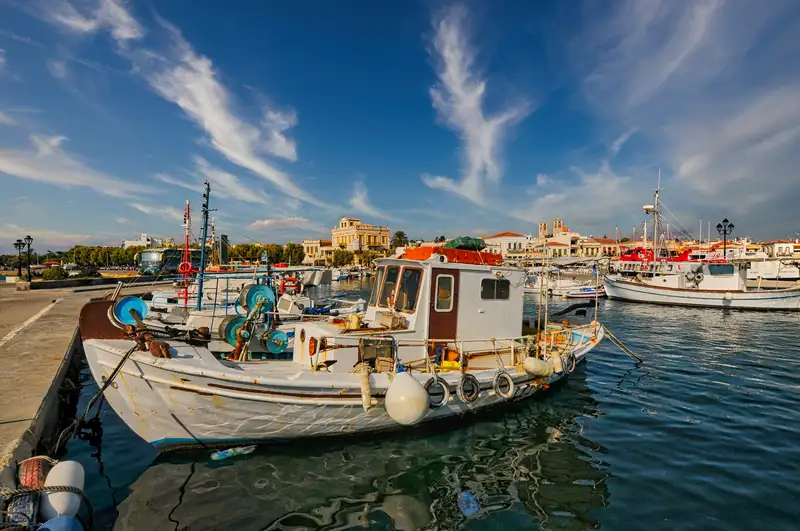
Table of Contents
What are the best things to do in Aegina, Greece?
It's often the unplanned activities that make Aegina memorable. You turn down a side street and discover a Byzantine church with crumbling frescoes on the walls. You sit down for a drink at a harbor cafe and suddenly find yourself absorbed in watching the sunset. You pick up some pistachios from a roadside stand, and next thing you know, you're chatting with the farmer who grew them.
But if I were to create a list, I'd divide Aegina highlights into four categories: history, nature, food, and beaches. Tour the Temple of Aphaia, one of Greece's best-preserved ancient temples. Wander the streets of Aegina Town, perch yourself on the harbor. Spend a day at a beach that feels quaintly uncrowded even in the height of July. Enjoy fresh fish in Perdika. Take the stairs to lookouts with views that stretch all the way to Athens across the shimmering sea. Then pause. Just breathe.
What is Aegina best known for?
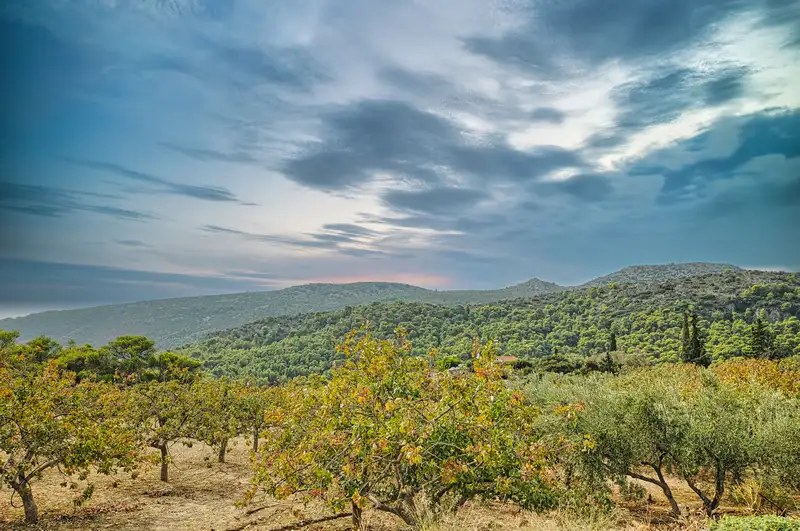
Pistachios and The Temple of Aphaia. You can't visit the island without thinking of these two. First of all, Greek pistachios are known throughout Greece for being smaller than the store-bought ones and having a more intense nutty flavor. This is because Aegina has a dry climate, which provides ideal conditions for their growth. You can spot pistachio trees all over the island, and during harvest season (End of August-September), you will smell a sweet and nutty aroma everywhere you go.
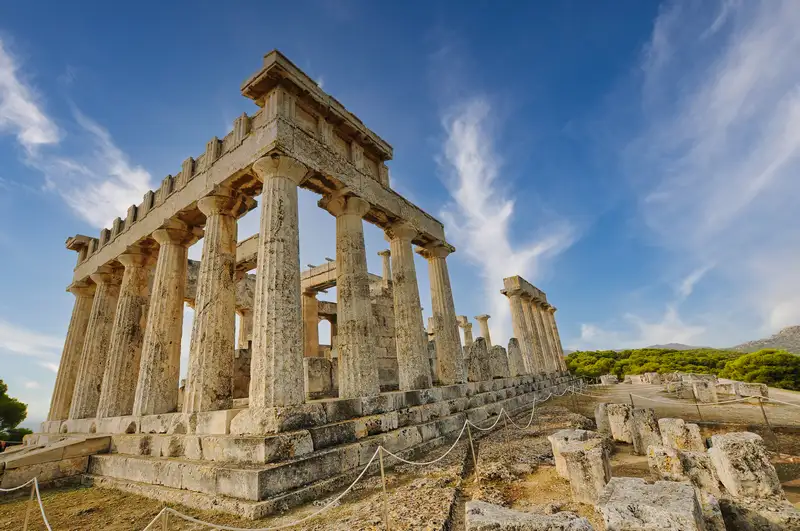
The Temple of Aphaia is ancient Aegina at its finest. Perched on a hillside in the northeast of the island, this temple dates back to the late archaic period (before the Parthenon) and has some of the best panoramic views on the island. You can see for miles over the water towards Athens. I'll discuss it more below, but if you only have time to see one thing in Aegina, make it this.
What are the must-see historical sites of the island?
The thing that impressed me most about Aegina's archaeological sites was their intimacy. They aren't busy tourist traps filled with tour groups and overpriced tack shops. Visit them, and you'll explore empty pathways lined with ancient rock. Humans have inhabited this island for millennia, and their remnants remain. They remain on display for you to see. They remain warm from the sun that shines down upon them in the afternoon. See two of them, and your perspective of this tiny island will change.
The Temple of Aphaia: Where ancient columns still watch over the sea
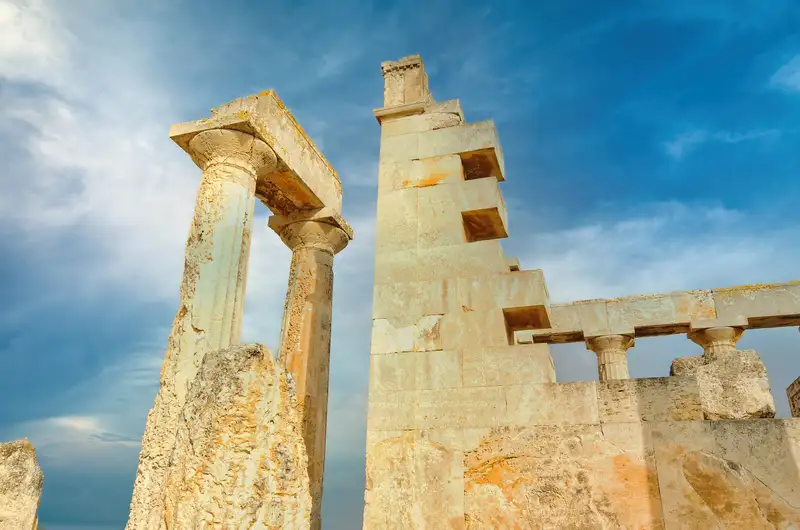
The Temple of Aphaia is Aegina's most significant ancient landmark and one of the best-preserved examples of late Archaic Greek architecture in the world. Constructed around 500 BCE, it was dedicated to Aphaia, a local goddess symbolizing fertility and the harvest.
Approaching the temple, you immediately notice two things. First, how quiet it is. Secondly, the columns. 24 of them still stand. Illuminated by the sun, they glow gold, set against the deep blue sea behind them.
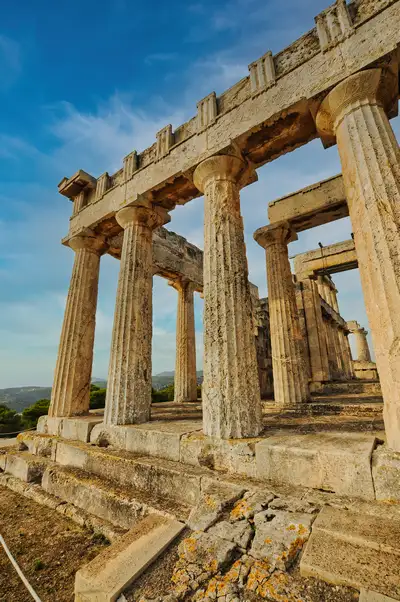
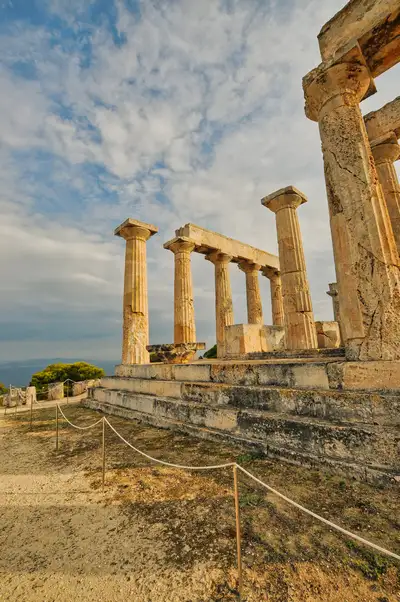
I've walked through this place several times, and every time something inexplicable happens. It's unlike anything I've felt at a museum. It's closer to encountering something ancient that's still alive. When I touch the ruins, the stone still feels warm. The way the wind rushes through the columns is how it must have sounded 2,500 years ago.
Should you visit? Absolutely. Besides being one of the best-preserved ancient temples in Greece, the view alone is worth the visit. There's also a small museum at the entrance, which highlights some of the findings from the excavation. Allow at least an hour, and visit when the light is gentle (either in the morning or late afternoon).
The Kolona archaeological site: The ruins that most visitors walk right past
The Kolona archaeological site is located on a small hill overlooking Aegina Town towards the sea. Kolona means column in Greek, and there is only one column standing, which is all that remains of the Temple of Apollo that once occupied this site.
However, there is far more to see here than this lonely column. Kolona also offers layers upon layers of settlement reaching back into the Bronze Age. You can wander around and see remnants of ancient walls, streets, and buildings piled on top of one another through the ages.
There is also a small archaeological museum next to the site. It's peaceful and well put together with pottery, sculptures, and artifacts dating back through the island's history.
I personally really like Kolona for its tranquility. Most tourists flock straight to the Temple of Aphaia, so you often get the place to yourself. You can stand between the sea and town and soak up how incredibly ancient it all is.
The temple of Ellanios Zeus, ruins at the top
Mount Oros, in the center of Aegina, is the highest point in the Saronic Gulf at 530 meters. Atop the mountain are the ruins of a temple dedicated to Zeus Hellanios, the ancient God who brings rain. In times of drought, it was the custom to ascend the mountain and pray.
All that remains today is the low stone foundation of the temple. Nothing particularly grandiose. The summit is the reward. A view in every direction. The complete shape of the island at your feet. Sea in every direction. Athens is sparkling to the north. The Peloponnese to the west.
I hiked up one spring morning through olive trees and pine forest, and took ninety minutes to the top. Windy, silent in its immensity. Standing on those ancient stones and gazing out at everything, I understood why this place was sacred. Some mountains don’t need temples to feel holy. They just are.
The Tower of Markellos: Where a small building once held the first heartbeat of a nation
If you've ever visited Aegina Town and walked around the harbor, you've probably seen a pink stone tower that almost everyone takes a photo of without knowing what it really is. The Tower of Markellos isn't very imposing. Rather, it blends in with its surroundings quite nicely – like an ordinary house that sprouted another floor or two.
Despite its humble appearance, there's much more to this structure than meets the eye. Constructed in the 17th century, it has served many purposes over the years. However, its greatest role in history was cemented in 1827, when Aegina served as the temporary capital of the newly independent Greek state.
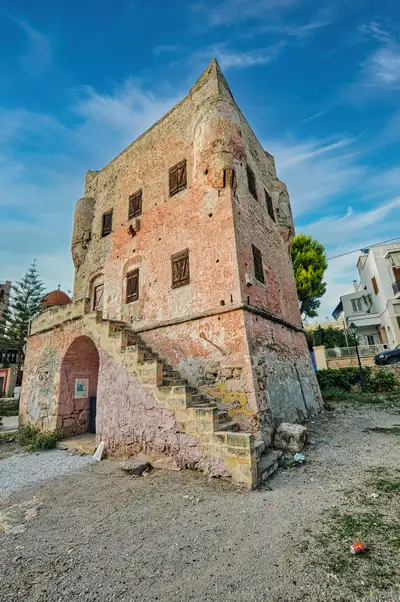
At the time, Greece's first governor, Ioannis Kapodistrias, set up headquarters in Aegina Town, and the Tower of Markellos was involved somehow. For a short time, the decisions that would shape modern Greece were made on this small island, in buildings like this one.
The first thing I notice about the tower is how simple it is. No fancy entranceway, no columns, no flags flying high. Just stone. And light. And if you go around, the sound of the harbor. There were no fancy buildings or ceremonies during that period. Greece didn't start with grandeur but with bravery. Bravery in small rooms with the ocean staring back out tiny windows. If we walk past that tower and don't stop to remember, we'd be walking past our entire foundation.
The villages of Aegina: Where every street tells a different story
The island's villages are small and authentic. Every single one of them feels nothing like the other. They are unique. They do not have the classic Cycladic beauty and architecture, and I love them for that.
Aegina town: The first hello the island gives you
Aegina Town is the largest village on the island and is where most ferries dock, as it is the island's primary port. Neoclassical buildings line the waterfront where fish restaurants and cafes spill out into narrow alleyways. Behind the harbor area, small streets lead up to squares, churches, and little local stores, as well as many souvenir shops. Bustling but not crowded. It feels like a working town, which I find refreshing and genuine.
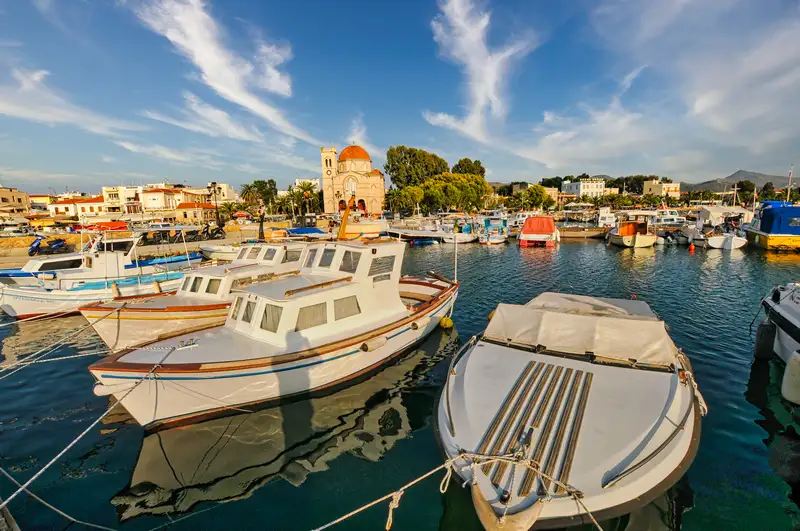
Wander through the early morning fish market, a vibrant display of colors and sounds. Spend the sunset watching boats in the harbor—it may be one of the most relaxing places you'll sit in the Saronic Gulf.
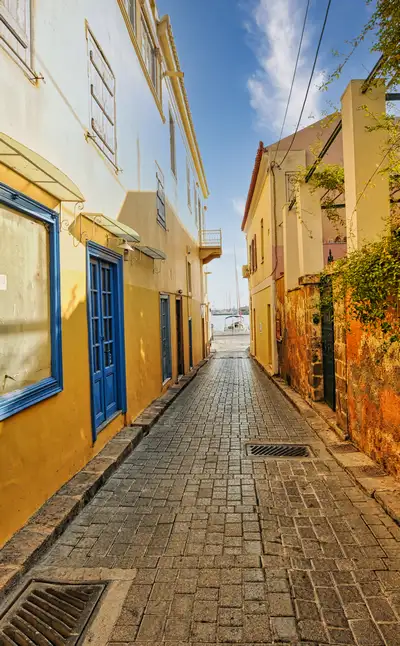
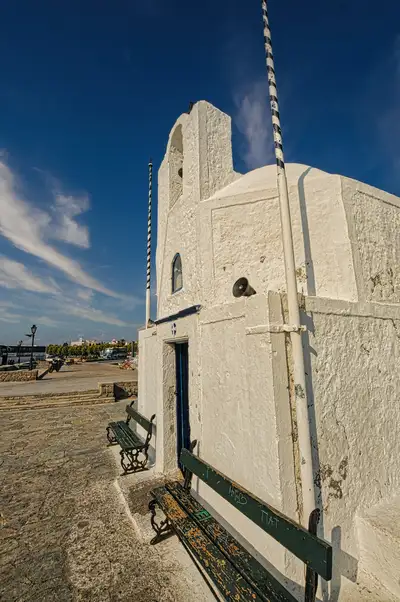
Perdika: The village that made me cancel my ferry back
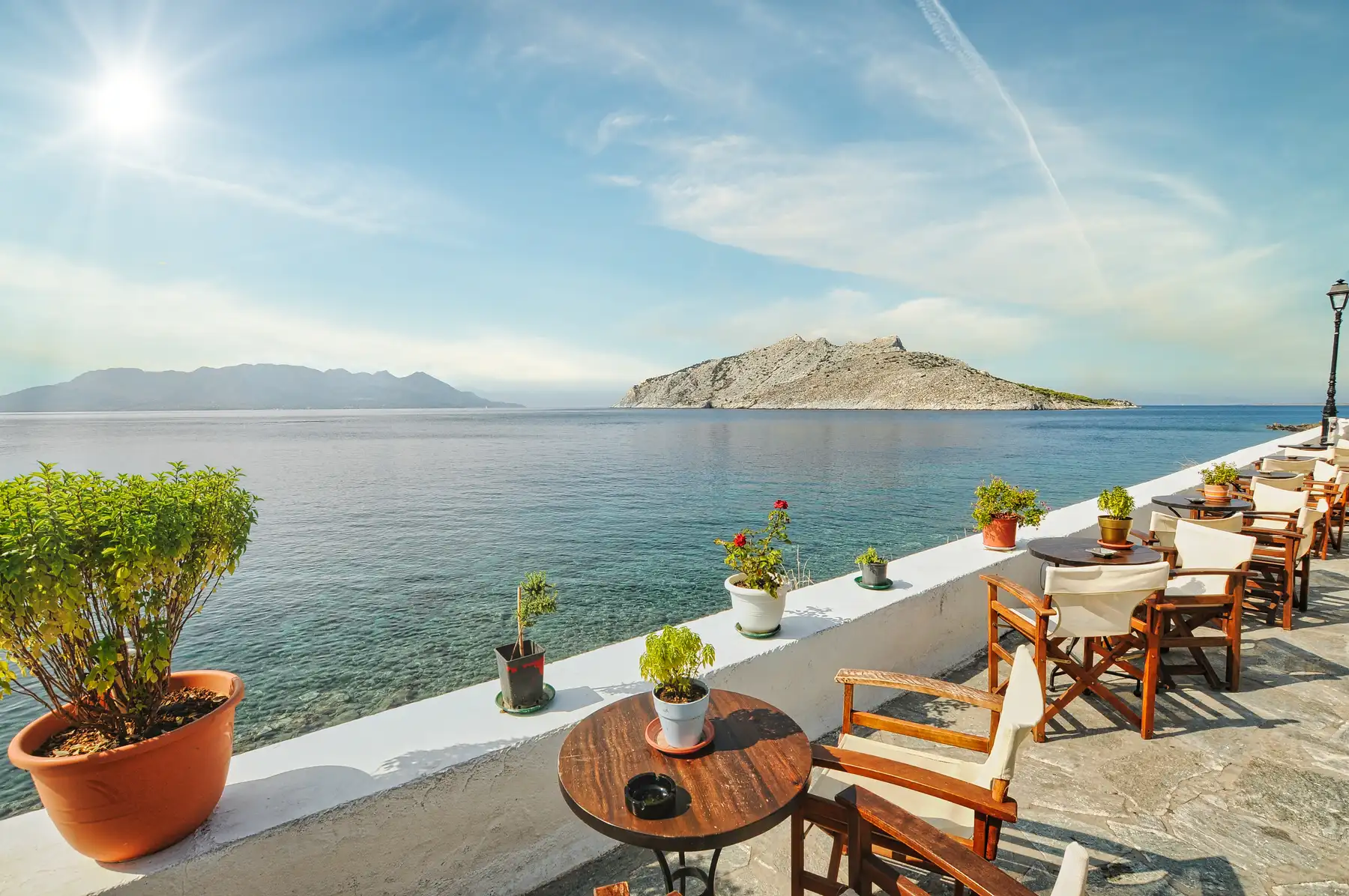
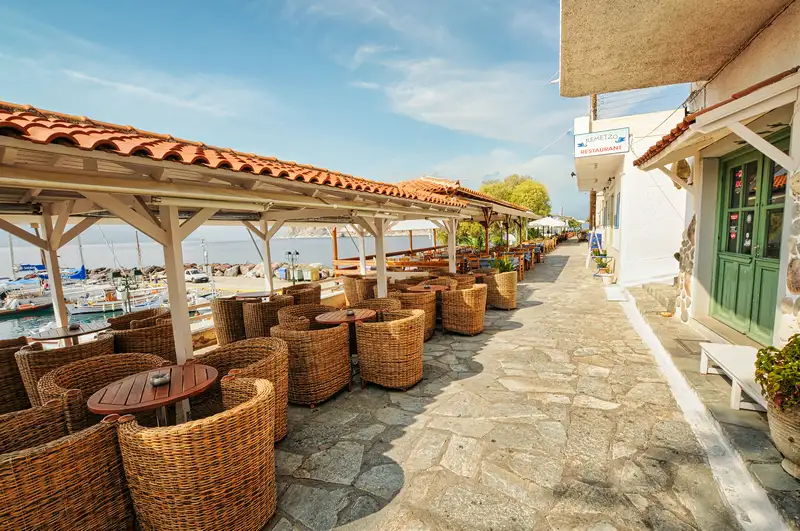
Perdika is a fishing village on the southern side of the island, and it might be my favorite spot in all of Aegina. A tiny harbor, a handful of tavernas right on the water, fishing boats bobbing in front of you while you eat. The seafood here is exceptional because it comes straight from those boats. If the weather is clear, you can see the island of Moni just across the water.
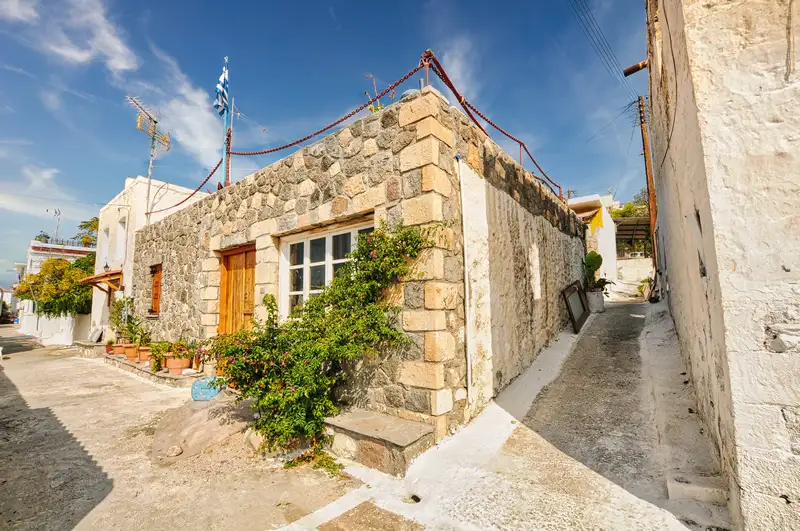
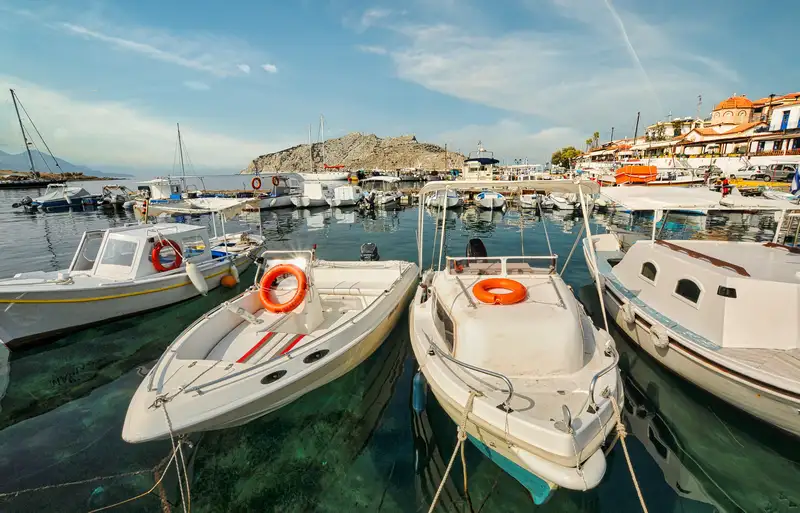
Souvala: The village that time treated gently
Souvala, on the north coast, is quieter. There are thermal springs here, and it also has its own little port (some ferries dock here on the way from Piraeus). Not as frequented as Aegina Town, Souvala feels almost abandoned and serene. Good spot to sit down with a book and enjoy the fishing nets drying in the sun.
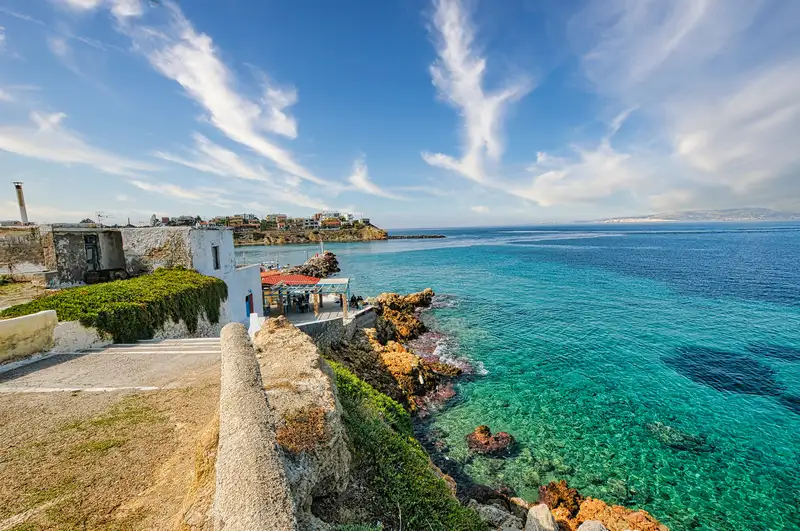
Agia Marina: The beach village that feels like a Greek summer postcard
Agia Marina, on the east coast, is the main beach resort area and is located near the Temple of Aphaia. It is a more touristy village with sunbeds, tavernas, and souvenir shops. Gets crowded in summer, and the beach is long and sandy, with clear, shallow waters. Popular with families.
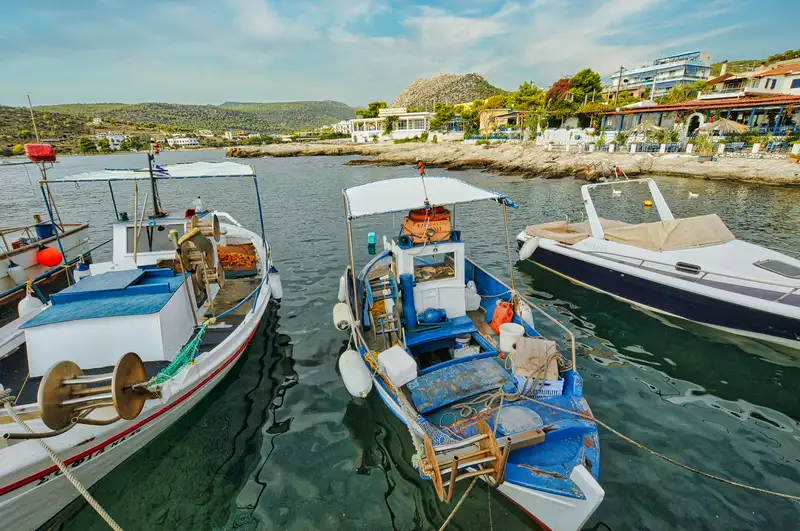
Paleochora: Thirty abandoned churches on a silent hill
Paleochora, the Old Medieval Capital, is one of my favorite spots on the island. If you enjoy ruins and silence, then I highly suggest Paleochora. It rests atop a hill in the middle of the island. It was once home to thousands of people who lived in this village and had to move inland in order to escape pirates. Only churches remain today (approx. 30 still standing, though some are only partially standing). Wander through Paleochora and step back into history.
Discover the beaches of the island
They are not the white sand, turquoise water type you'll find on postcards from other islands in the Cyclades. They tend to be grittier and more authentic. Some beaches are sandy. Some are pebbly. Most of them are clean and uncrowded outside of August.
Agia Marina beach: Long sand, shallow water, and the sound of summer
Agia Marina Beach is the island's busiest and most developed beach. There's a nice stretch of sand, shallow water that's great for swimming, sunbeds, and tavernas close by. If you're traveling with kids, this is the beach for you.
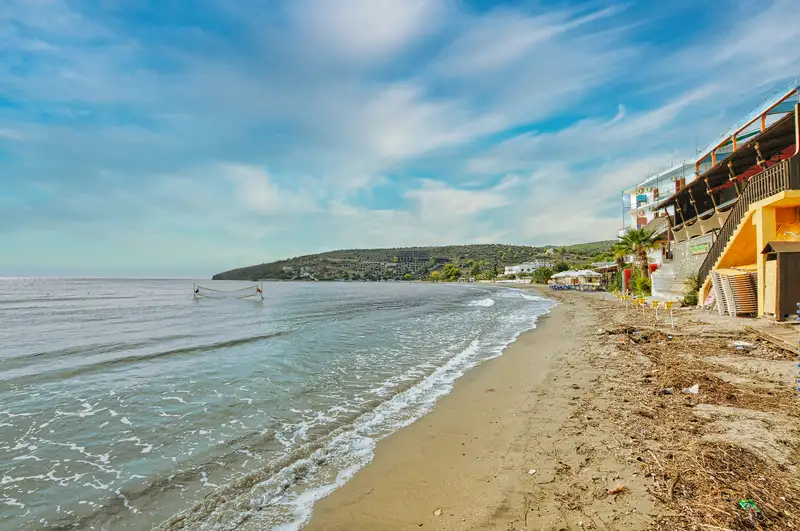
Klima Beach: A small pause between the town and the open water
Klima Beach is located just south of the town. It's a small pebble beach with clean water. It's nothing fancy but worth checking out. It's very close to town and easy to reach on foot. Nice spot for a quick dip if you are tired of sightseeing.
Marathonas Beach: Calm water, and the feeling that no one is counting the hours
Marathonas Beach is on the island's west coast, sandy and fairly quiet. The Tavernas are few but relaxed. The water is calm and good for swimming. The beach faces west, so you get that lovely late-afternoon sunlight.

The coast near Perdika: Where a small boat takes you to an island with peacocks and silence
The beaches in the Perdika area tend to be more rocky, but the water is deep and crystal clear. Some tourists hire a small boat from Perdika that will take them out to a nearby island called Moni. There's a beach on Moni, and wild peacocks roam free. It's only a 10-minute ride, so it feels like your own little adventure.

The museums of Aegina: Few in number but rich in what they carry
Aegina doesn't have dozens of museums, but the ones it does have are worth visiting.
The archaeological museum: A small building with thousands of years inside
Located right next to the site of Kolona, the Archaeological Museum is one of Greece's oldest museums. Small but well laid out, it features artifacts from ancient settlements all over the island. Pottery, statuettes, and inscriptions. What I enjoyed most about this museum was seeing the object and knowing you can visit where it was found on the island.
The Kapralos Museum: Where the sculptor left his tools, and his spirit stayed behind
The Kapralos Museum is completely different. Christos Kapralos was a Greek sculptor who lived and worked on the island. This museum is his former studio, preserved nearly exactly how he left it. Massive sculptures occupy the building. Bold and visceral, many of his works are inspired by the sea or Greek history. The museum is located on a quiet street, and I felt like I was intruding on someone's life as I wandered the exhibits.
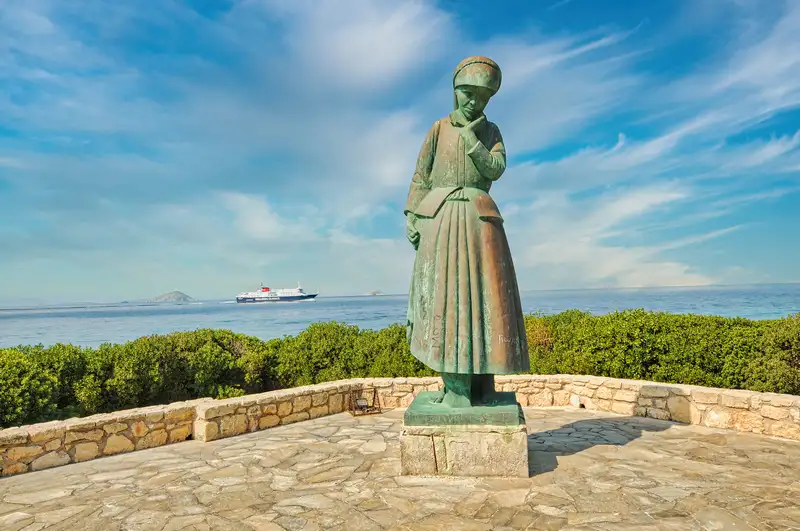
The folklore museum: A gentle look at the hands that built this place
Folklore Museum dives into life on the island before tourism. It's tools used by locals, traditional clothing, photographs, and various household goods from previous centuries. Small but authentic, it helps make a picture of what life was like before you're walking the island.
The churches and monasteries: Where faith was built in stone and silence
Religion is important to the history of the island, and there is a church on every corner. Some are old, some are new, and nearly all of them have charming simplicity.
Agios Nektarios Monastery: Where a saint's quiet life became the loudest story on the island
The Monastery of Agios Nektarios is Aegina's biggest and most popular religious landmark. Built in honor of Saint Nektarios, one of the Orthodox Church's most recently canonized saints, who lived the last years of his life on Aegina and died here in 1920.
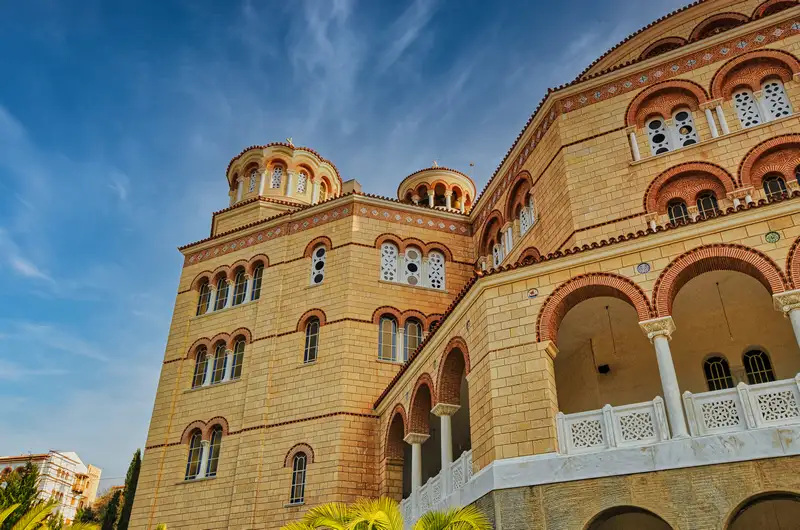
The monastery is located on a hill overlooking Paleochora, and its large white church is visible from far away. Once inside, it is lavishly decorated with icons and flickering candles. Visitors fill the space with a low murmur of prayers. Even if you aren't religious, you can still feel the peace and spiritual atmosphere here. Pilgrims travel from across Greece to visit Agios Nektarios, especially on his saint day in November.
Right next to the main church is a smaller chapel where Saint Nektarios actually lived and prayed. It's a more intimate space than the large church next to it, and struck me as more emotional.
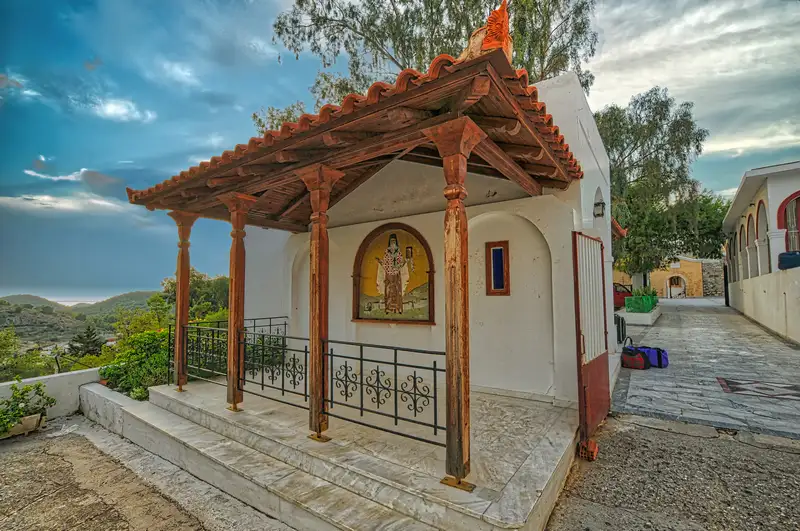
The churches of Paleochora: Thirty chapels on a hillside where a whole city used to pray
Beyond Agios Nektarios, be sure to check out the ruins of Paleochora's churches. Perched along the hill are tiny Byzantine and post-Byzantine chapels. You can still see remnants of the beautiful frescoes on the walls, though most have faded over time. Walking among these churches with nothing but the wind and birds as company was one of my favorite moments on the island.
The monastery of Chrysoleontissa: Hidden among the pines where silence feels like a prayer
A few visitors to Aegina plan to see this monastery. That’s part of what makes it so wonderful. The Monastery of Chrysoleontissa perches on the eastern side of the island, high in the hills, a small complex hidden among pines and olive groves, silent in the lee of the harbor, the traffic of the town, and the busy beaches.
It was founded in the early 17th century and is dedicated to the Virgin Mary. Chrysoleontissa refers to a golden icon of the Virgin that the monastery has held for centuries. The stories concerning the icon differ depending on who tells them. In some versions, it was brought over from Constantinople. In others, it miraculously appeared on the island. No matter. The icon is the heart of the monastery, and you can sense it when you pass through the gate.
The monastery is compact, constructed low against the hillside, with whitewashed walls, a stone courtyard, and a church. The stone keeps the cool in on even the hottest day. On my visit, I had it to myself. A nun gave me a glass of water and a cube of loukoumi, and I sat in the courtyard for hours listening to nothing at all. Just the wind in the pines and the odd clanging of a bell from somewhere deep inside. That's sort of quiet. It isn’t a hollow quiet. It is a full one. It is a silence that is holding its breath.
The monastery lies a short distance off the main road that snakes between Aegina Town and Agia Marina. It will take you no more than half an hour out of your day. But it may be the half hour you remember most.
Moni Island: A place that makes you wonder who needs anything more than sea and sky
When I first heard someone suggest I take the boat to Moni, I had visions of it being a tourist trap. Crowded boat. Crowded beach. A salesman is hawking me a cocktail. I was wrong about all of the above.
Moni is a tiny uninhabited island just a few hundred yards off the coast of Perdika. The only way to get to it is to walk to the harbor and ask the guy at the desk when the next boat is leaving. It’s a ten-minute ride. You pay a few euros. And then you’re somewhere so disconnected from the present day it’s hard to imagine.
The island has one beach. It’s pebbly and clean, with water that ranges from turquoise to dark blue depending on where you’re standing. Pine trees trail up a low hill behind it, and paths lead through the trees with no real endpoint. There are deer in the woods. Peacocks roam at will, their feathers scraping against the dry grass like something out of a fever dream. There’s a canteen on the edge of the beach where you can buy a drink or a snack, and that’s about it. No stores. No music. No Wi-Fi. Just the island being the island, doing the same thing it’s been doing for thousands of years, which is existing.
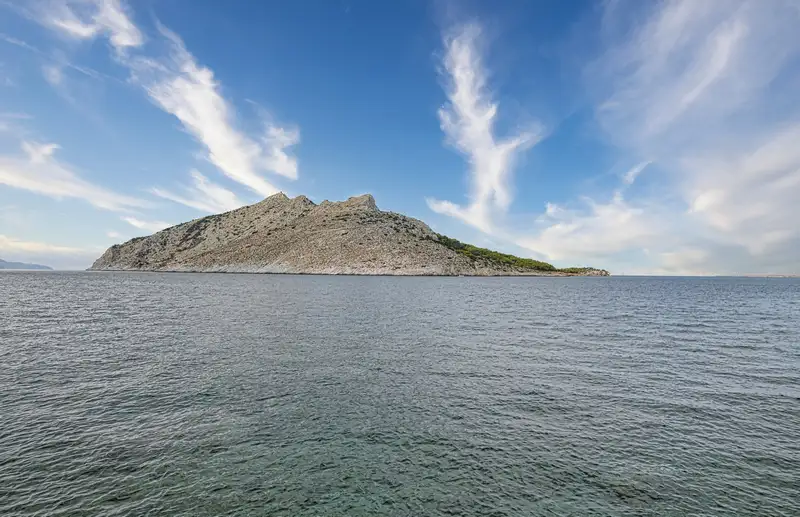
I spent a long time in the water that day. The sea around Moni is both deeper and cleaner than most of what you find on Aegina’s main beaches. The rocky outcroppings are great for snorkeling if you happen to bring a mask. I lay on the stones afterward and watched the light shift on the water. A peacock walked past without even glancing at me, completely oblivious to my existence. I felt privileged to be invisible to something so beautiful.
Moni is one of those places you tell people about, and they don’t quite believe you. An island, wild and untamed, with peacocks and deer, ten minutes from a fishing village, no entrance fee, no crowds. But it’s true. And if you’re in Perdika on a hot day, there’s no good reason not to go.
What local food should you try?
Food on Aegina is basic, fresh, and true to the island’s ties to the sea and the earth. Begin with the pistachios, of course. Sample them roasted and salted from a street cart, but also sample pistachio ice cream, pistachio butter, and the pistachio pastries that line bakery shelves. The taste is unlike anything you’ve had before: earthy, deep, and just a little sweet.
Seafood is the other standout. At the island’s tavernas, the fish comes straight from that morning’s catch. Grilled octopus, fried calamari, fresh sardines, and shrimp saganaki. Eat on tables set on the water in Perdika, and the unadorned setting is a match for the food itself. Simple, no pretense, just quality.
The island’s traditional tavernas serve the classic dishes of Greek cooking as well: moussaka, stuffed tomatoes, grilled meats, and Greek salad with slabs of feta. Portions are heaping, prices are fair, and the setting is casual.
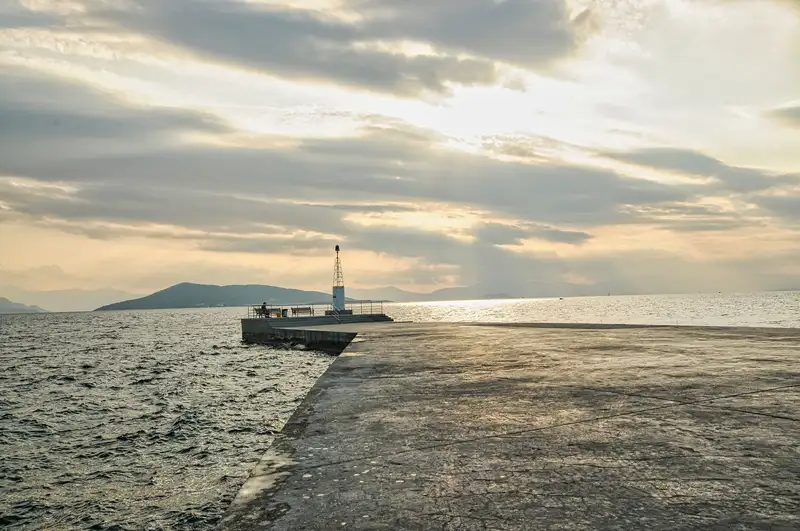
What about where to shop for local products in Aegina? There are several shops in Aegina Town’s harbor area that stock pistachios, honey, local jams, and olive oil. The morning market near the port is also a good bet. They make great gifts, and they transport the taste of the island home with you.
Are there traditional tavernas in Aegina? Yes, several. In fact, every village has at least one. Most have been family-run for decades. My advice is to bypass the laminated photo menus and head for the places with handwritten specials on a chalkboard. That’s where the real food is.
What you need to know before you go
Now, before you start fantasizing about lounging on the beach with a bag of pistachios and the sea at your feet, let me tell you a few words of practicality. Aegina is an easy island to visit, but a few details will help you make the most of your time there. What follows is a combination of personal experience and what I’ve picked up, not from guidebooks, but from observation.
When is the best time to travel
Aegina is beautiful from April through November, with each of those three seasons offering its own rewards.
Spring (April to June) is my favorite time of year on Aegina. The island is covered in green and flowers, the weather is warm but not yet too hot, and the beaches are deserted. It's the best time of year for walking, for exploring ruins, and for dining al fresco without sweating to death.
Summer (July and August) is the high season. Is Aegina crowded in summer? Not really, no, not when you compare it to Mykonos or Santorini. But the beaches do get crowded, the ferries get packed, and Aegina Town is a whirl of visitors. The advantage is that everything is open, the sea is at its warmest, and the long balmy evenings are very beautiful.
Autumn (September to October) is another excellent period. The summer crowds disperse, the sea is still nice and warm after months of baking, and the light gets softer and more golden. September is also the pistachio harvest, which means the island is at its most aromatic.
Winter is quiet on Aegina, but not dead. Most tourist services shut up shop, though the tavernas in Aegina Town remain open, the ferries still operate, and the island takes on a contemplative, slightly melancholic beauty. If you don't mind not having beaches, winter Aegina has its own charms.
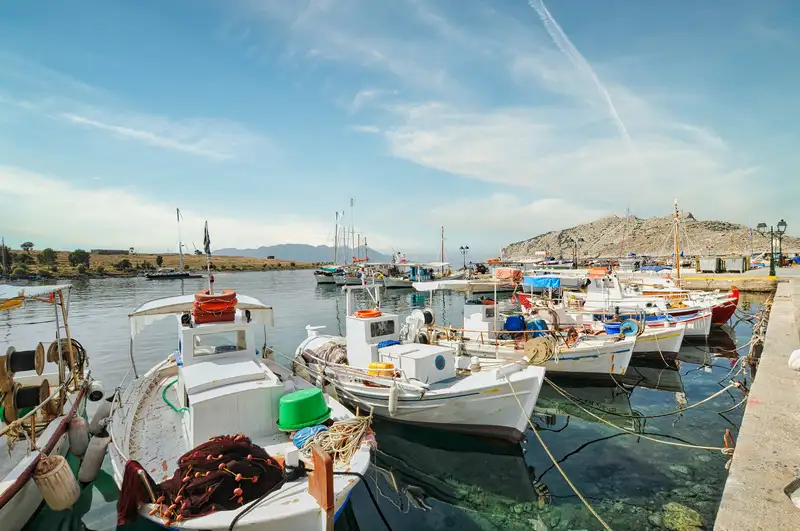
Where to stay in Aegina
The choice of where to stay in Aegina depends on what sort of experience you are after.
Aegina Town
Most practical. Close to the harbor, restaurants, shopping, and the Kolona site. Buses and taxis can easily transfer you anywhere on the island. Ideal if you want to be in the thick of things and don’t want to rent a car. Expect to encounter tour groups.
Perdika
Best for quiet evenings, sea views, and if you’re after the best seafood on the island. A smaller village, so fewer choices. But the atmosphere more than makes up for that.
Agia Marina
Best for families and beach lovers. A few steps from the main beach, close to the Temple of Aphaia, and a short walk from tavernas and cafes.
How to get around the island without a car
Do you need a car on Aegina? No, not really. The island is small enough that you can get around to most places without one.
Bus
There are regular bus lines between Aegina Town, Agia Marina, and the Temple of Aphaia. Buses also go to Souvala and Perdika. The service is good during the summer, but less frequent in the low season.
Renting a scooter or ATV
It is popular on the island, and it's a great way to see around. Roads are easy to navigate, and coasting along with the wind in your hair is all part of the fun.
Taxis
In Aegina Town, taxis can be flagged down anywhere. For short distances, they're not too expensive. You can also hire a taxi to take you to specific places, leave you, and pick you up when you are done.
Bicycles
Good for shorter distances and flatter routes. The ride from Aegina Town to most of the beaches and villages nearby is a nice and easy ride.
How safe is Aegina
If you're worried about safety, let me reassure you. Aegina is one of the safest places to visit in all of Greece. The island is small with a close-knit community, very low crime, and the sort of place where everyone leaves their doors unlocked, and children play in the streets until the late hours.
I have never felt unsafe on Aegina, not a single time. Not walking back to my room after a late dinner. Not swimming at empty beaches in the middle of the day. Not leaving my stuff on a cafe table while I paid at the counter. The island is built on trust and familiarity, and that extends to visitors as well.
The only safety advice I'd offer is the practical kind. Wear a helmet when you rent a scooter. Mind your step on rocky beaches. And reapply sunscreen more often than you think is necessary. The only dangers in Aegina aren't personified in people. They're sunburn and steep steps. And in all honesty, that's a good problem to have.
Frequently Asked Questions
Is Aegina a family-friendly island?
Yes, very. The beaches are safe and child-friendly (especially Agia Marina, with its shallow water). The atmosphere is laid-back and friendly.
How long is the ferry from Athens to Aegina?
The high-speed catamaran takes around 40 minutes, and the conventional ferry takes about 70 minutes. Both leave from Piraeus.
Is Aegina expensive?
Aegina is much cheaper than many of the popular Cycladic islands. Food, accommodation, and transport are all very reasonably priced.
Are the beaches sandy or rocky?
Some of each. Agia Marina and Marathonas are sandy; Perdika and the south coast are rocky. There's plenty of choice.
Can I buy pistachios to bring home?
Yes, of course. Shops in Aegina Town sell packaged pistachios in a variety of forms (they are much lighter than olive oil, making them an ideal souvenir). Best to go to the producers directly: these are the stall-holders in front of the port.
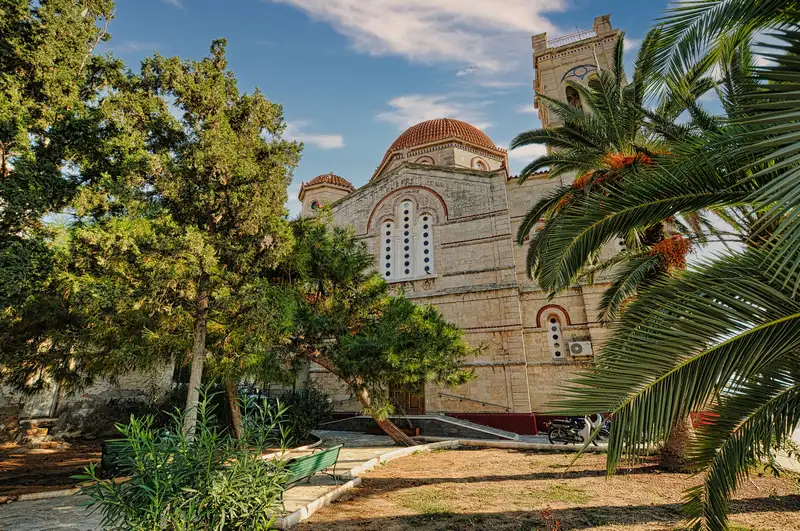
A few final thoughts before you go
Aegina is an island for the patient traveler. The longer you stay on it, the more it shows you. It doesn’t shout for your attention like the other Greek islands do. It doesn’t have to. What it gives, it gives quietly. And I believe, profoundly.
I always leave Aegina on a ferry to Piraeus, and every time I look back at the island as it disappears behind the horizon, I feel the same thing in my chest. A gentle tug, as if something was being softly stretched, but not torn. That’s Aegina for you. She doesn’t rip you away; she cradles you. And when it’s time to leave, she waits.
This is my unfiltered advice for travelers to Aegina who are left asking themselves, " What to do in Aegina?" Travel lightly, with a book, a swimsuit, and an appetite. Get to know her on her terms. Perch on a bench by the harbor in Aegina Town and wait for the fishing boats to land. Sit on a stone bench and watch the changing of light on the pillars of the Temple of Aphaia. Eat pistachios till your fingers are stained green. And then, leave. But leave with the knowledge that she’s waiting for you, warm, silent, and full of secrets.