The first time Rome had me, I remember the feel of the warm stone beneath my hands. I had been sitting against a wall near the Pantheon, exhausted and a little confused, and the old marble still retained the heat of the day, the way it had held the heat of a thousand days before mine. A street vendor was packing away his goods. Behind me, somewhere, a fountain babbled to itself in the dark. And I thought, so this is the city they all try to describe and never quite succeed.
People ask me all the time, " Is Rome worth visiting?" and I never know how to make my answer small enough. Because Rome is not a list of sights to be checked off and discarded. It is a feeling, the one you get on an ordinary evening when the light turns gold on a ruin that nobody is paying attention to, and time slips its leash.
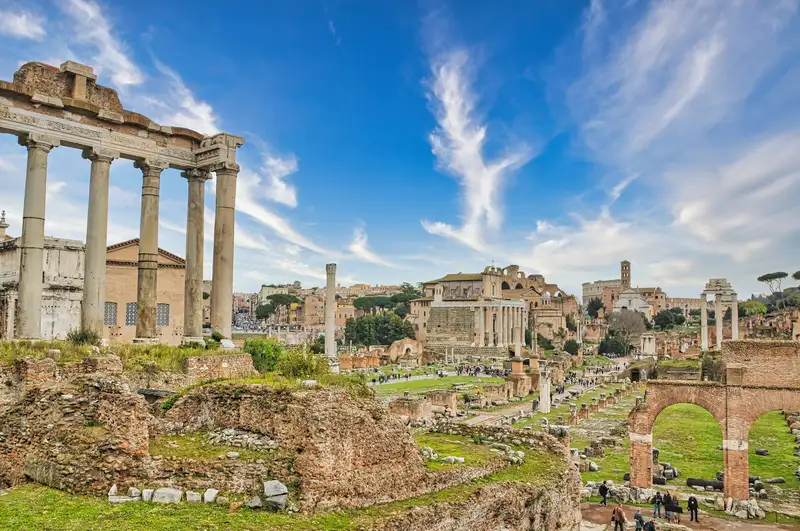
Table of Contents
Is Rome worth it? A quiet yes
Yes. Rome is worth visiting. I never, not once, believed otherwise, not even on afternoons when the heat hung in my throat, and the tourists made me weary. Some cities give you just a little more than you expect, and Rome is the oldest. You round a featureless corner, and there is a ruin, sitting there, the way a tree sits. You swing a heavy church door on its hinges, and a painting predating your whole family tree is waiting in the shadows. Later, as the sun goes low, the stone turns the color of honey and the edges all soften, and you forget, for a moment, which year it is.
I want to be fair to you because I think you deserve it. Some people come back from Rome and call it overrated, and I am not judging. Summer can be harsh. The lines get long, the piazzas get full, and the roads by the train station have none of the things you came to see. If you go looking for peace and order, the city will not provide it, and it will not apologize.
But Rome was never built for the traveler in a rush. The city reveals itself in time to those who are willing to get lost, to sit longer than they meant to, to watch an afternoon unwind. I have wandered these streets with no plan, with no map, and those are the hours I remember best. The din, the fractures, the worn edges of this place, they all belong to why I keep coming back. I have left Rome exhausted more times than I can count. I have never left it wishing I had stayed at home.
A short history of Rome, and the myth behind it
Rome's history starts with a myth, and once you know it, you feel that myth at every turn. The city wears its very long history very much out in the open, layer upon layer. A bit of background goes a long way, so let's take a quick look at some of the stories behind the sights.
The myth of Romulus and Remus
Legend has it that Rome was founded in 753 BC by two brothers, Romulus and Remus. They were abandoned as babies and left to die by the river, but were saved and raised by a she-wolf. The image of her with the two little boys beneath her will be seen all over the city.
The brothers grew up to fight over where to build their new city, and Romulus killed Remus. He named the city after himself. It's a harsh, odd story for such a beautiful city, and the Romans never shied away from it.
From republic to empire
For centuries, Rome was a republic. It then expanded as an empire across much of Europe, North Africa, and the Near East. The emperors built the Colosseum, the great baths, and the roads that still lie beneath the modern city. When the empire fell, its great buildings were left to decay. Many of the things you walk past today were once buried or quarried for stone.
The art that gave Rome its second golden age
Rome found a second life as the seat of the popes. Their wealth and grandeur filled the city with churches, fountains, and art by Michelangelo, Bernini, Caravaggio, and many others. That is the Rome most visitors think of today. Rome is today the capital of Italy, a living city of around three million people, still built on and around its own ruins.
What makes the Eternal City feel eternal
What is different about Rome is that the past never really went away. In most ancient cities, history is behind glass or a rope barrier. In Rome, it spills into the streets, and you live with it unthinkingly.
Where every street hides an older one
Rome is a city built in layers, one age piled on top of the next. Step into a church and you might find a Roman temple at its foundation and, below that, an even older street. Workers tunneling to build the new metro still uncover ancient walls and have to halt construction.
Entire neighborhoods are built on top of hidden ruins. You begin to see that the Rome that you can see is only the top layer of something much deeper. I find this strangely moving. It makes you feel how many lives there were in that same small space before yours.
Where history is just part of the day
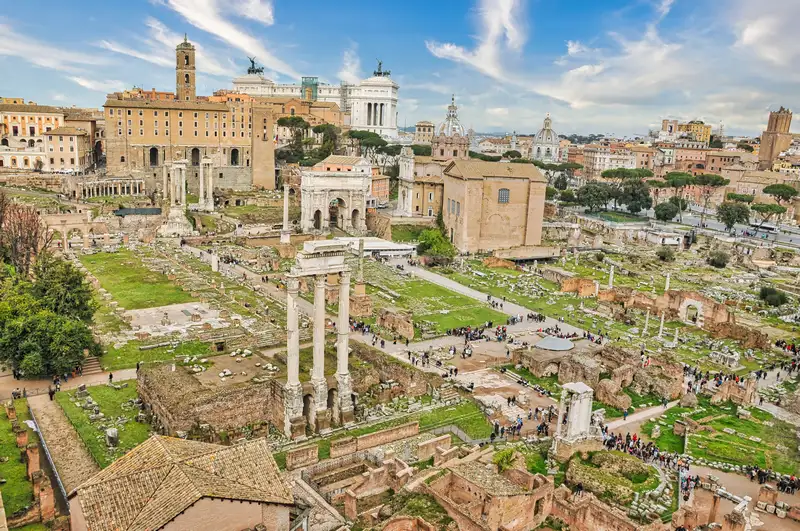
The ruins are not roped off and are silent. Cats nap in the Roman Forum, office workers lunch by two thousand-year-old columns, and children kick a ball in a square that has seen markets for millennia.
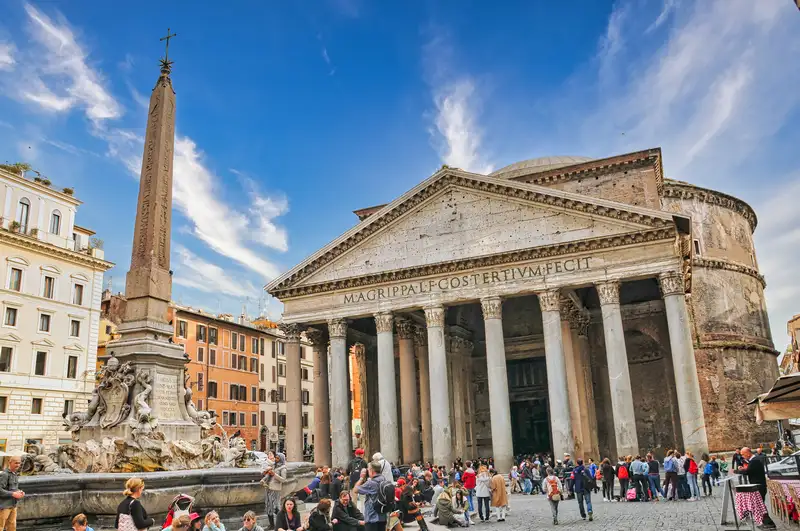
The Pantheon, one of the best-preserved buildings from antiquity, is still a working church on Sunday. Nothing about it feels staged. I love that mixture of the grand and the everyday. You are never just looking at history in Rome. You are walking through it with a coffee in your hand and your shoelace coming undone.
What are the must-see sights in Rome?
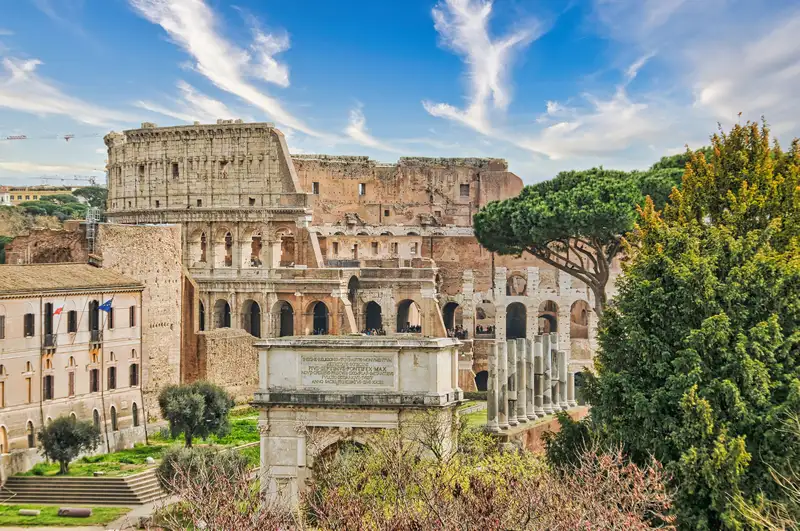
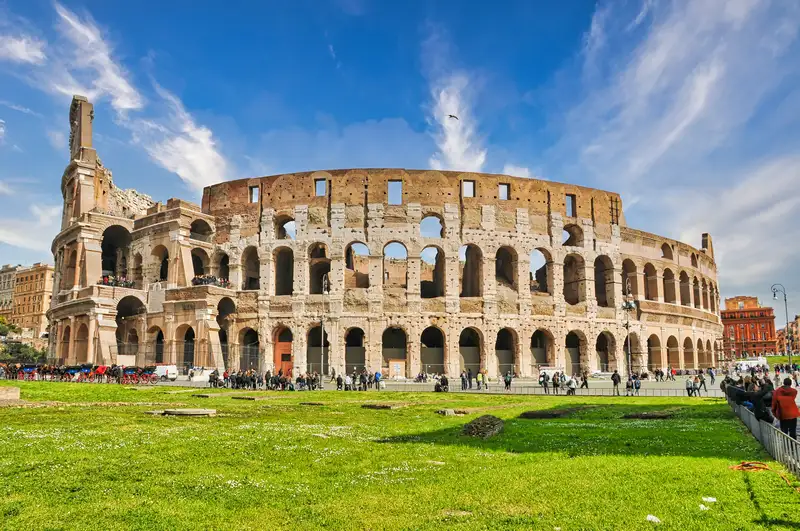
Start with the Colosseum, because nothing prepares you for its size. The part of the ancient arena I stood in was the ring where crowds gathered to watch gladiators, and I felt small standing there in the best way.
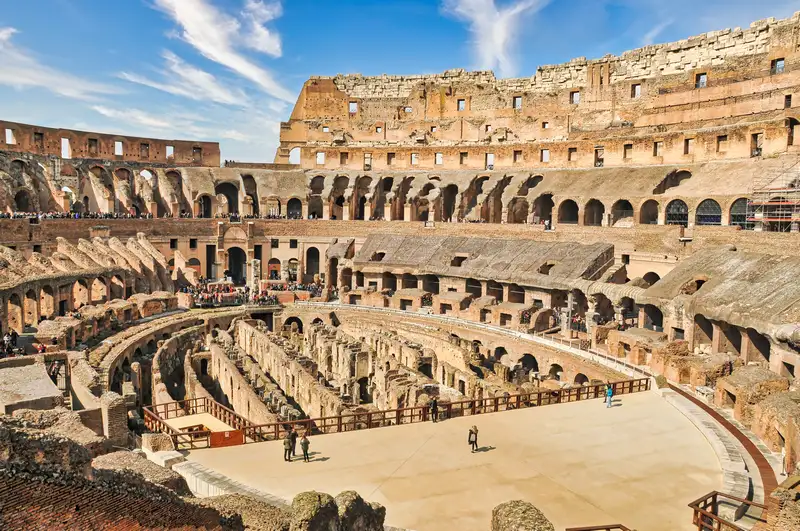
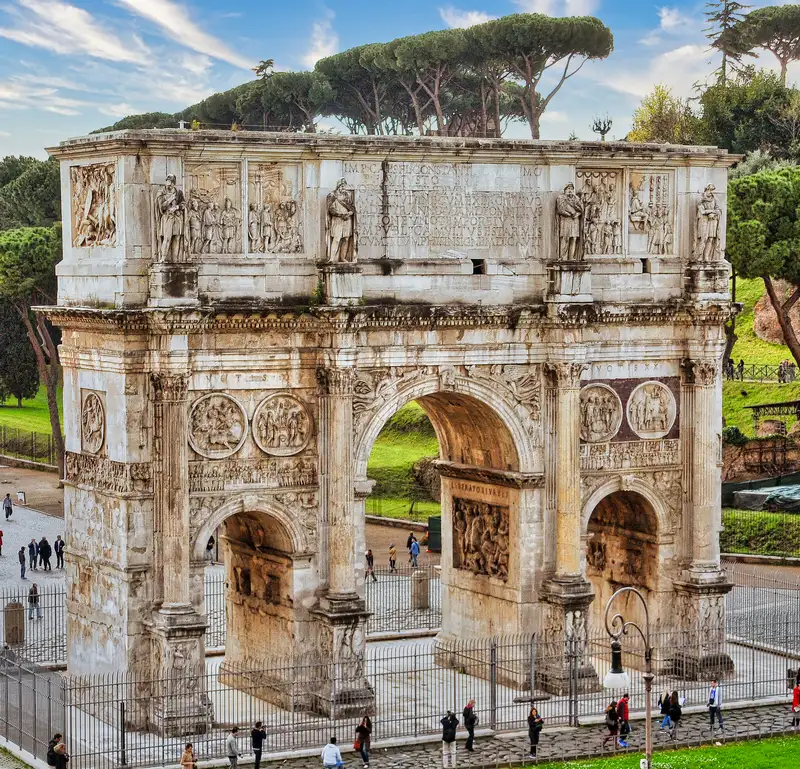
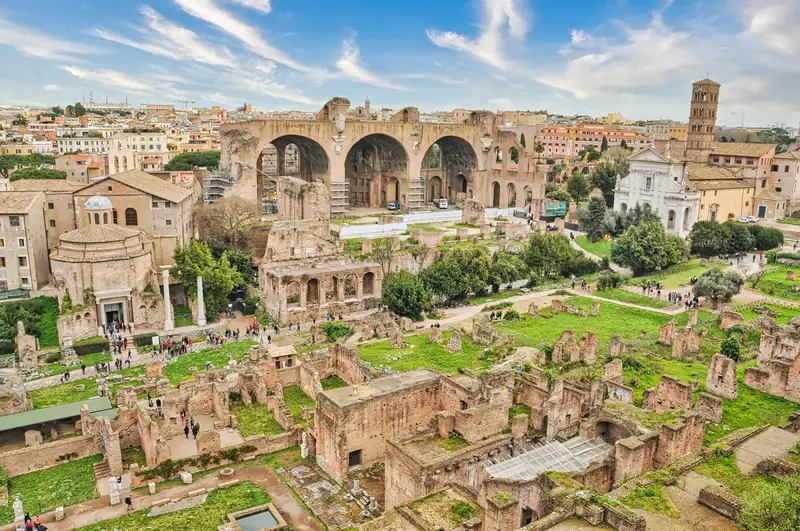
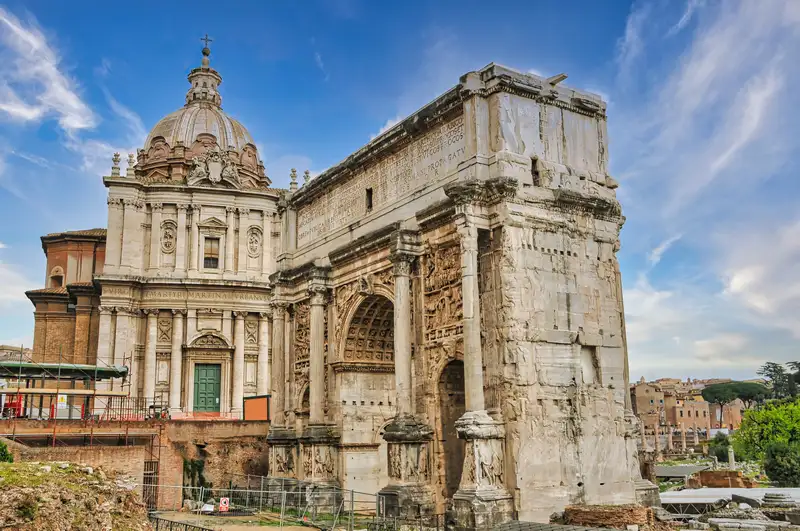
Next door, the Roman Forum and Palatine Hill are the broken heart of the ancient city: old temples and arches, and the hill where the emperors kept their palaces. Go early or late to avoid the worst of the heat and the crowds. The same ticket usually gets you into all three.
Vatican City: St Peter's and the Sistine Chapel
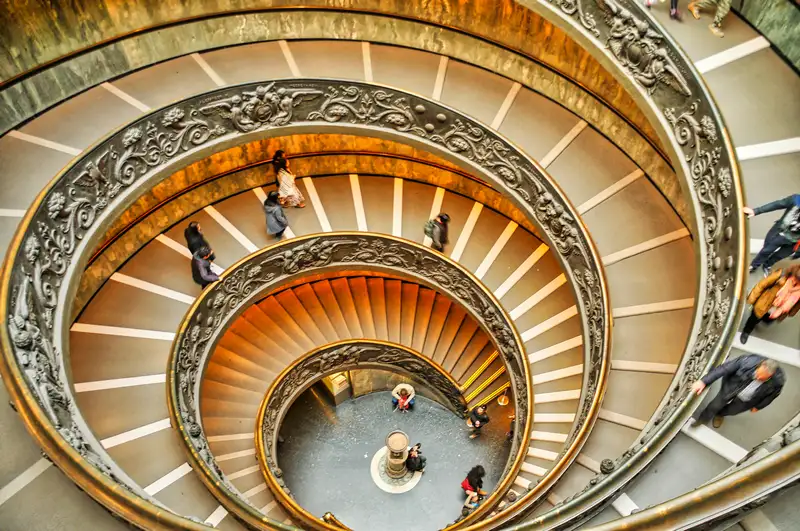
Vatican City is its own little country inside Rome, and it contains two things you should not miss. St Peter's Basilica is cavernous and quiet, and you can walk in for free.
Michelangelo's Pietà is just inside the door. The Vatican Museums usher you through room after art-filled room until, at the end of the long, busy walk, you reach the Sistine Chapel and its painted ceiling. I still remember looking up at that ceiling. Book ahead. The line without a ticket can gobble up your whole morning.
The fountains and squares where Rome slows down
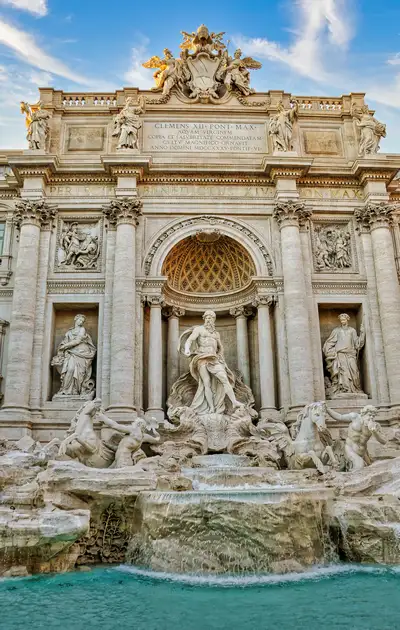
Some of Rome's best moments are free. The Trevi Fountain spills out in the middle of a small square, and yes, it is crowded, but at night, with the water lit up and the crowd hushed, it still takes my breath away every time.
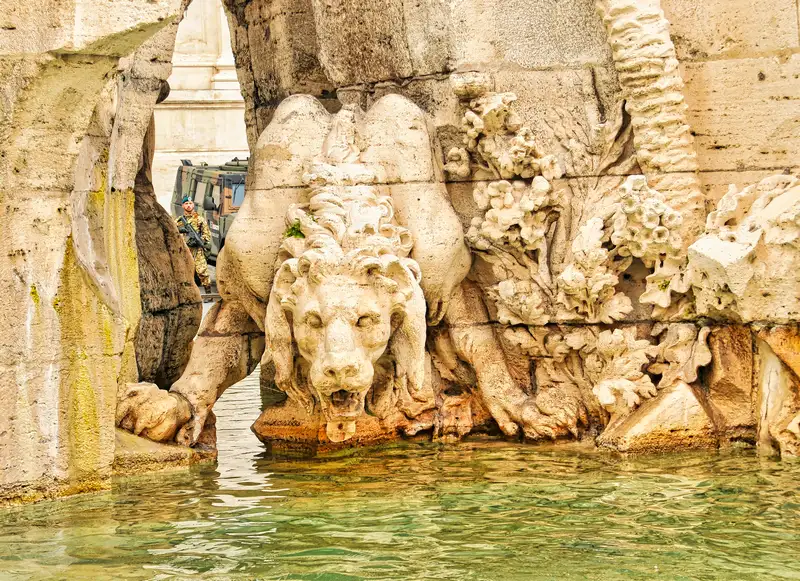
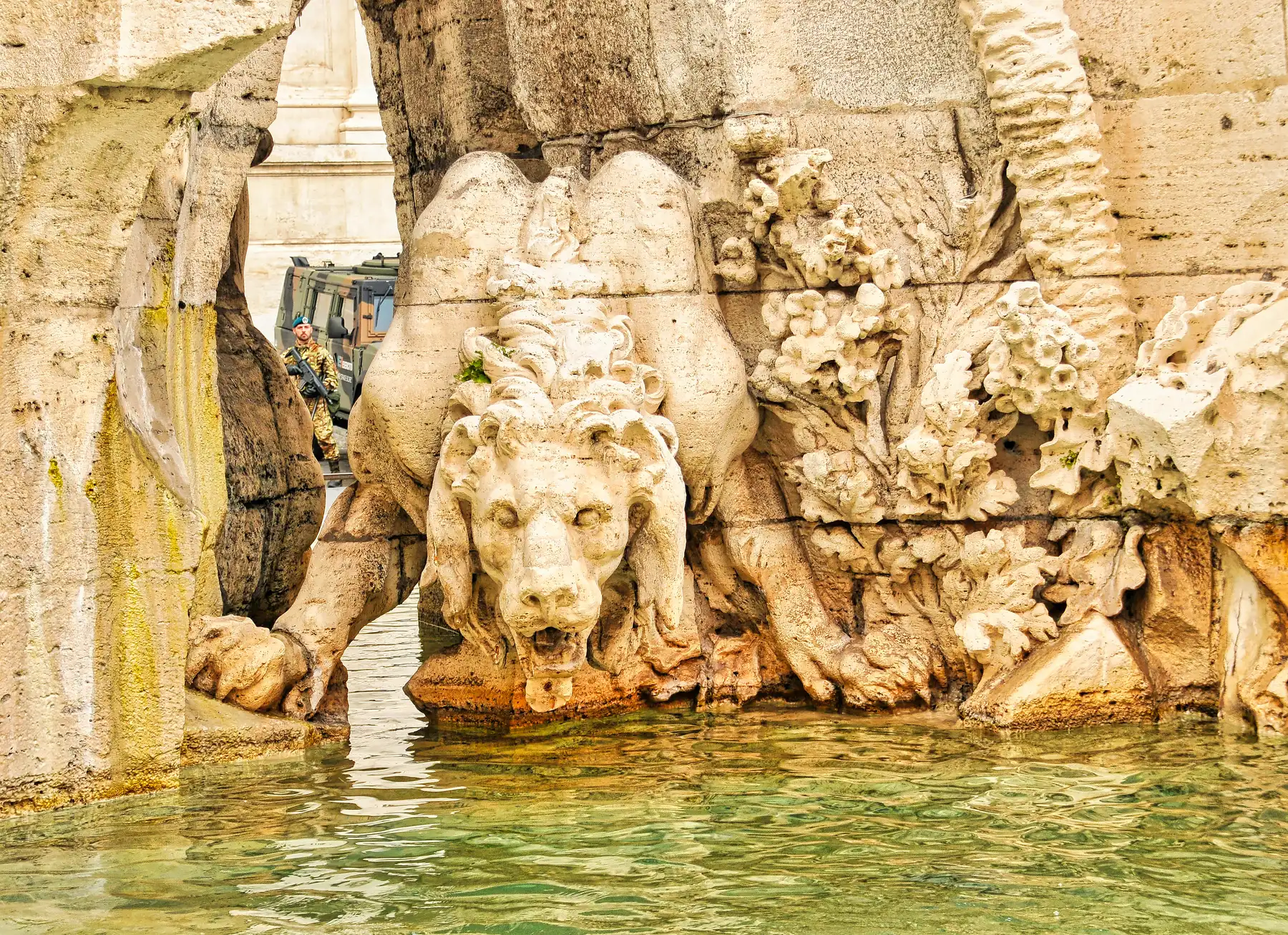
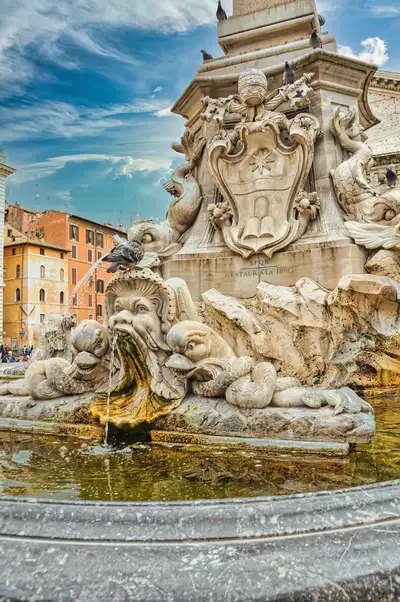
Piazza Navona is long and elegant, bordered with cafes and street painters. And the Pantheon, its open eye to the sky, is the sight I send everyone to first. Find a spot on the steps nearby and watch the square for a while.

The Rome neighborhoods that steal your afternoons
It's easy to see the sights in Rome. Find the neighborhoods worth your time, the places where you put away the map and start to wander. In Rome, the famous sights tell you what it was like. The neighborhoods will show you how they live today.
Lost in lovely Trastevere
Trastevere is the Rome of daydreams and stories: ochre walls and narrow lanes and ivy tumbling over doorways. In the day, it is quiet and warm. By evening, it is full of people moving from the trattoria to the wine bar.
I like it best in the early morning, when the crowds have not yet arrived, and the only sound is someone sweeping a doorstep or the church bells beginning to ring.
The hidden calm of Monti
Monti is a short walk from the Colosseum, yet most people never discover it. It is a small grid of quiet streets with vintage shops and bars, and a fountain in the main square where people come to sit at dusk. It is a lived-in place. I have often spent whole afternoons doing nothing at all but watching the light move across the walls.
The real taste of Rome lives in Testaccio
Testaccio is where Romans come to eat. There are no big sights, and that is the point. The food market is one of the best in Rome, and the trattorias serve the old Roman dishes as grandmothers made them. If you want to know Roman food, come here hungry.
Centro Storico, the historic heart of the Eternal City
The Centro Storico, the old center, is the heart that most people imagine. It contains the Pantheon, Piazza Navona, and a thousand small streets in between.
It is also busy, so slip into the back lanes where you will find quiet courtyards, tiny churches, and shops that haven't changed in decades. I have spent many of my best hours in Rome, here in the Centro Storico, with no plan at all.
The food that makes Rome unforgettable
Roman food is simple, with few ingredients, and it's one of my favorite foods to eat anywhere in the world.
Four simple pastas, endless joy
Carbonara, cacio e pepe, amatriciana, and gricia are your four mandatory dishes. Carbonara is egg, cheese, pork cheek, and pepper, and never has cream, not ever.
Cacio e pepe is just cheese and black pepper, and for some reason, it's magical. Amatriciana is tomato and the same crisp pork. Gricia is the slightly quieter older cousin of the group. Get them where the Romans are eating, and you'll see why everyone makes such a fuss.
Street food and gelato
Pizza al taglio for a fast lunch. Pizza by the slice, cut from big flats sold by weight and folded up warm in paper. Supplì too, fried rice balls with a gooey string of cheese in the middle. And always save space for gelato.
Don't stop at the shops with big, bright, fluffy mountains of it by the tourist sights. The good gelato is kept in uncovered tubs, and the colors are more muted. I have one simple rule for eating in Rome, which I swear by. Walk the other way from the squares with the big views and the men with menus. The good places to eat are down the side streets, in little rooms with paper tablecloths and a short handwritten menu.
What day trips are worth taking from Rome?
My favorite day trips from Rome help you swap crowds for elbow room while still connecting with the same deep history. If you have more than three days, I would set one aside for a day trip outside the city.
Ostia Antica is the closest and easiest to reach. Ostia is the ancient port of Rome and a whole town with streets, shops, and a theater. It's far quieter than the Forum, and a train ride away in less than an hour.
Tivoli clings to the hills outside the city, home to two grand villas with gardens and fountains. It's a mellow, greenish sort of place and makes for a gentle half-day.
Pompeii is farther, a couple of hours by fast train, but it stays with you. Walking those frozen streets where people stop in their tracks is something I think everyone should do at least once.
Planning Rome, without the stress
The right time to walk Rome's streets
Spring or autumn, from roughly April to early June and again from late September into October, are the best times for Rome. The weather is warm but temperate, and the light is mellow and golden.
Summer is the difficult season, with oppressive heat and the densest crowds, and the major sights steamy by noon.
Winter is quiet and cool, with short, sharp bursts of rain and far fewer people. I have a soft spot for Rome in late October, when the air turns crisp, and you can sit in a square in the morning sun and not struggle for a chair. If you have to travel in summer, rise early and take a siesta in the afternoon like the Romans.
The days you need to do Rome justice
Three full days in Rome will allow you to see the main sights at a relaxed pace, without hurrying. Better still are four, which give you the chance to slow down and meander. With three, you can easily fit in ancient Rome, the Vatican, and the Centro Storico, one major area per day.
The simple ways to cross Rome
See Rome on foot. The city center is compact, and the walk between sights is part of the fun, past fountains, shop windows, and quiet churches.
For longer jumps, Rome has a small metro system, plus buses and trams. A single ticket is cheap and allows about 100 minutes of travel. Wear shoes you can walk miles in, as the streets are old stone and not kind to thin soles. Remember to stamp the ticket when boarding, or you may get fined.
Where to settle for your days in Rome
If you want to walk everywhere and experience the city at night, stay near the Centro Storico.
Monti and Trastevere are the liveliest and most characterful areas, close to the heart of the action.
Prati, near the Vatican, is quieter and a little cheaper. I would avoid the area directly around Termini station for a first trip.
Tickets, passes, and small savings
Book your Colosseum and Vatican Museums tickets online in advance. A Roma Pass can save you money if you will be using transport often and visiting two or more paid sights. Otherwise, skip it for short, light visits.
Common questions before you go to Rome
Is Rome expensive?
Rome can be as inexpensive or as expensive as you want it to be. Many of the highlights, such as the Pantheon, the fountains, and St. Peter's Basilica, are free to visit. Eating is where you can save the most by dining where the locals do and grabbing your morning coffee to go at the bar.
Are 3 days enough in Rome?
Three full days are sufficient to see the main sights of Rome without rushing. You can even devote one day each to ancient Rome, the Vatican, and the old center. A fourth day will help you slow down a bit or even take a day trip outside the city.
Do you need to pre-book the Colosseum?
Yes, you need to pre-book the Colosseum for almost any time of year. Tickets sell out days or weeks in advance during the high-season months. The same is true for the Vatican Museums and the Borghese Gallery.
Is Rome walkable?
Rome is very walkable, and the best way to explore is on foot. The center is small enough that you can cross it on foot, and you will also happen upon your favorite spots that way. Just wear good shoes for the old stone streets.
When is Rome least crowded?
Rome is least crowded in the winter months, from approximately November through February, except around Christmas. Late autumn and early spring are also quieter. If you prefer to avoid the crowds at the big sights, visit as soon as they open.
A few last words on Rome
I have lost count of how many times I have returned to Rome, and it still holds something back from me. A street I never knew I could wander. A tiny church with a painting I had somehow never seen. A trattoria down an alley that I would have missed if I had not been a little lost that evening. Rome is never finished with you, and that is part of why I go back.
The things I take with me when I leave are never the great sights, though I would not trade an hour of them. They are smaller and quieter. An espresso swallowed at the bar, the cup still warm in my hand. The stillness of a square at first light, before anyone else has arrived. The way a wall holds the heat of the afternoon deep into the night, so the whole city seems to breathe slowly in the dark.
If you are still turning the question over in your mind, let me answer it plainly. Go. Rome will not be gentle with you. The heat will close around you, the streets will wear you down, and there will be a moment when you wonder what on earth you were thinking. And then there is the evening. A glass of wine in front of you, the last of the sun setting the stones gold where they have stood for two thousand years, and something in you goes still. That is the Rome that I go back to find. I hope, one day, it finds you too.