No one comes to Paris without already knowing it. We've all seen the tower a thousand times, the long river, the grey rooftops shining after the rain. The city has been famous, photographed, and quoted long before any of us were born. It can feel less like a real place and more like a memory we never lived.
So when people start asking, usually on the second tired evening after a long queue and a short waiter, " Is Paris overrated, I understand the question. I once asked myself.
My answer is no. But it doesn't give itself away on the first afternoon. It waits. It keeps its best hours for early mornings and back streets, for the smell of warm bread and a single lamp coming on above the river at dusk. The travelers who leave cold are almost always the ones who came to check the city against a photograph and turned for home before it had the chance to surprise them.
This is an honest guide to Paris of France, written for the kind of traveler who would rather feel a place than tick it off a list.
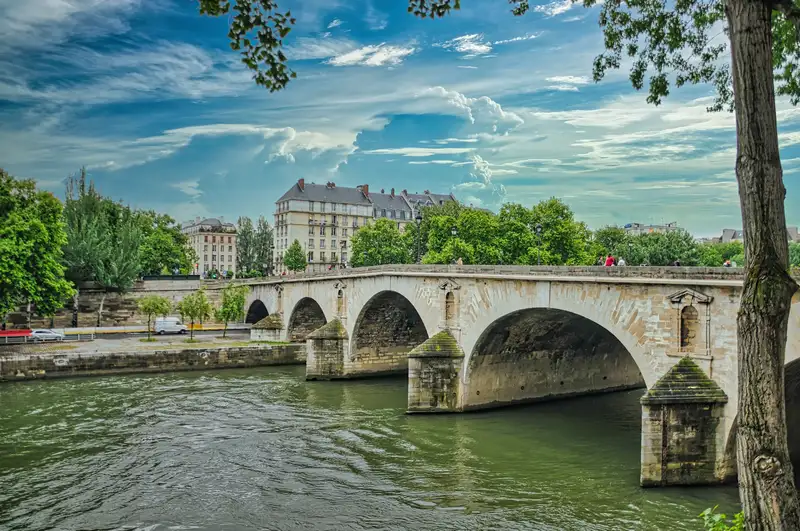
Table of Contents
First, let yourself get to know Paris slowly
Paris is a smaller city than you expect. The bit you came to visit fits inside a loose oval about ten kilometers across, wrapped around a river, and most of that can be crossed on foot in an afternoon. Once you know the river and the spiral of districts around it, the city ceases to be a labyrinth.
A river at the heart, a spiral around it
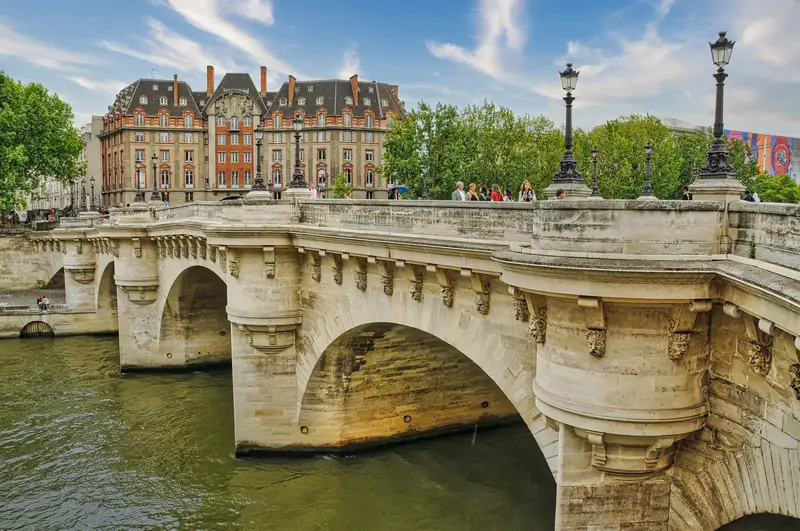
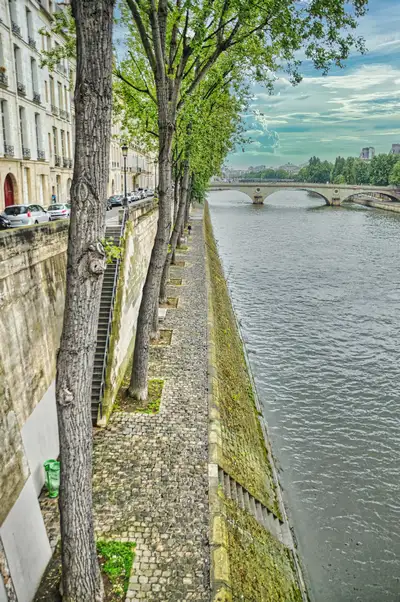
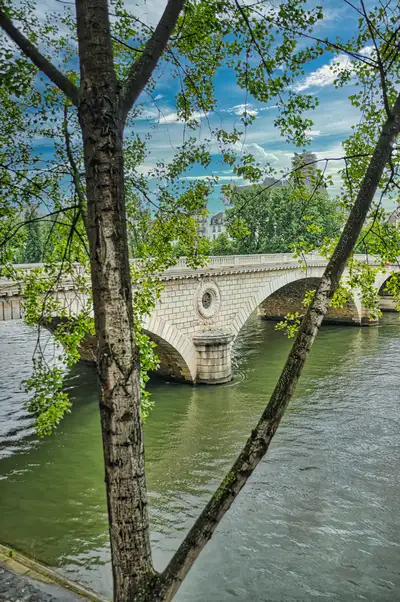
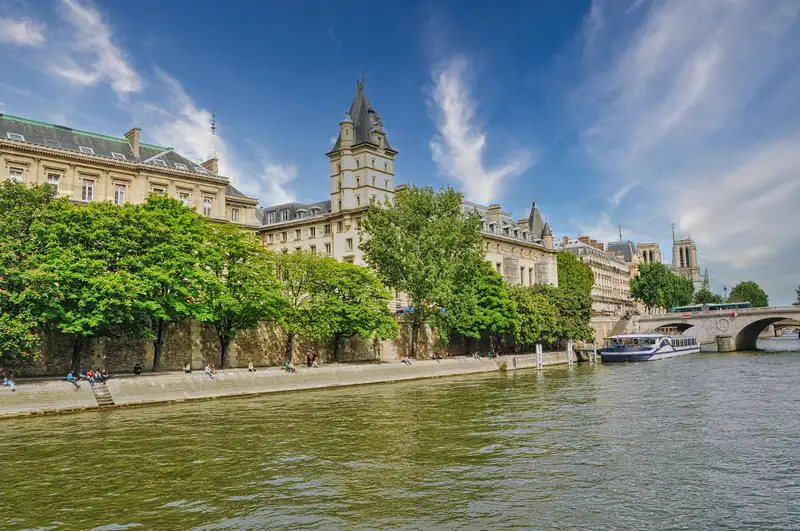
The Seine cuts the city in two. The south side is the Left Bank, the Rive Gauche, the traditional side of students, books, and long arguments in cafés. The north is the Right Bank, the Rive Droite, the side of money, fashion, and the grand avenues. In the middle sits a small island, the Île de la Cité, where the whole city began.
Paris is split into twenty districts called arrondissements, and they spiral out from that island like a snail's shell. The 1st is in the center. The numbers rise as they curl out to the edge. You do not have to memorize them, but it helps to know that the lower the number, the closer you are to the old heart. When a Parisian tells you they live in the 11th or the 20th, they are telling you they live in real, lived-in Paris, away from the monuments.
The mood that settles over the streets
Paris is a secret-keeper. The stone is grey-gold, the sky often soft. Even in a city this renowned, the streets seem to be whispering. Life is on the café terraces, where you take a chair, order a single coffee, and sit for an hour, half-watching the street. There is a word for that leisurely drift through the city with nowhere to be: flâner.
It is why a lot of people are disappointed on the first day. Paris does not perform for you. It asks you to slow down before it reveals much at all. Give it that time, and you start to like the quiet. By the time you leave, it is the part you will miss.
The long memory of Paris
Paris is much older than it looks. The version of Paris we have in our minds, with long straight avenues and tall stone buildings that match, is only a couple of hundred years old. The true history of Paris begins on a muddy island in the river, over two thousand years ago.
Before the name, before the light
Long before there was Paris, there was a Celtic tribe named the Parisii. They moved into the area where the Seine curves around in the middle of the third century before Christ. The Parisii made their living from the river, ferrying grain and goods to and from their trading posts along its length. They called their new home Lutetia, a name that was probably something like "the place near the marsh." It doesn't sound very romantic—a muddy island, a river crossing, a tribe of boatmen.
The water protected them, but the water also served as their highway. To this day, there is a dispute among historians about precisely where the original settlement was, whether on the Île de la Cité or on higher ground nearby. I like that vagueness. The birthplace of Paris has a little mystery, too.
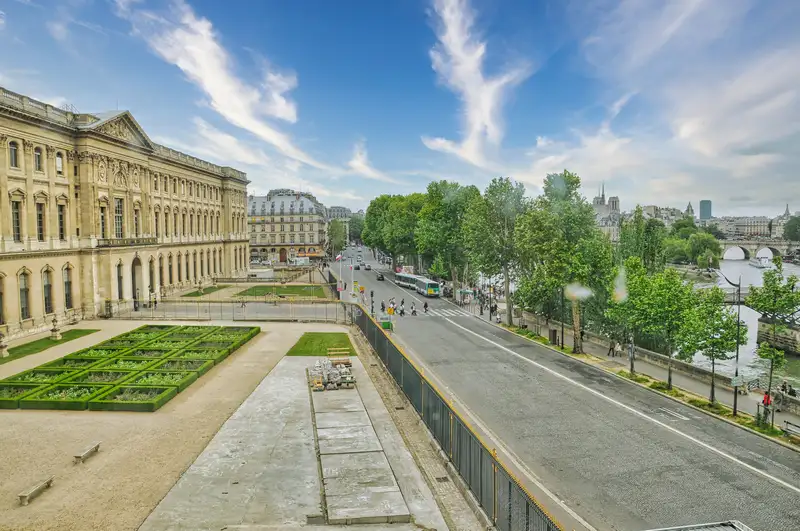
From a Roman town to a royal capital
The Romans arrived in Gaul with Julius Caesar and his armies. When the Parisii got caught up in a rebellion that was certain to fail and decided to burn their own town rather than surrender it to the invaders, the Romans took it and rebuilt it. They moved to the higher and drier ground on the Left Bank, where the Latin Quarter is today, and added baths, a forum, and an arena.

The Roman stones you can still find
The past you can still touch. Hidden in the 5th arrondissement, the Arènes de Lutèce were the arena where thousands of spectators once gathered. Today, children kick footballs over its dusty floor, and older men play boules on what used to be the blood-spattered sands, where gladiators once fought to the death. Not far away, the cold baths of the Roman city are preserved inside the Musée de Cluny, rooms that are two thousand years old.
Later, after Rome's decline, a Frankish king named Clovis made Paris his capital in 508. From then on, the muddy island town began its long climb to become the capital of a kingdom.
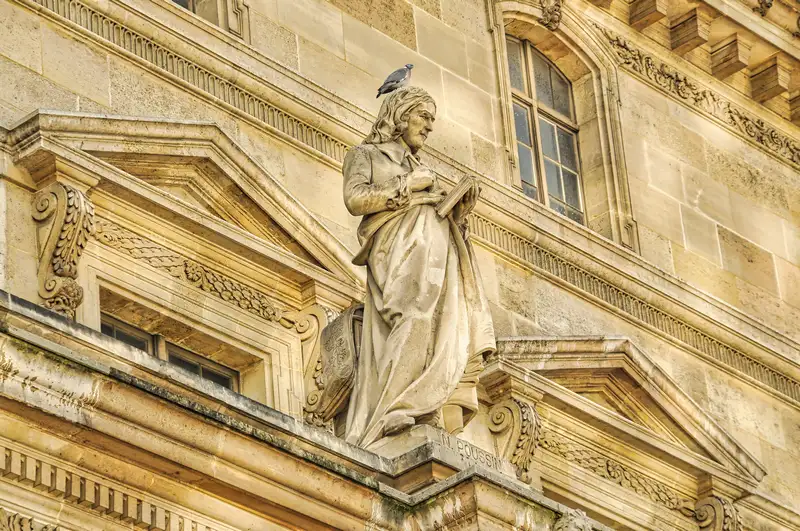
Revolution, Napoleon, and Haussmann's boulevards
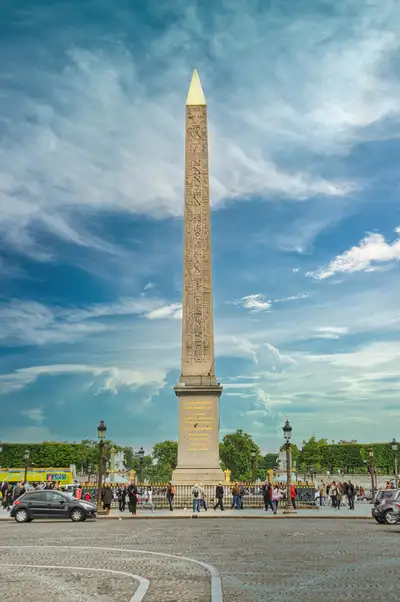
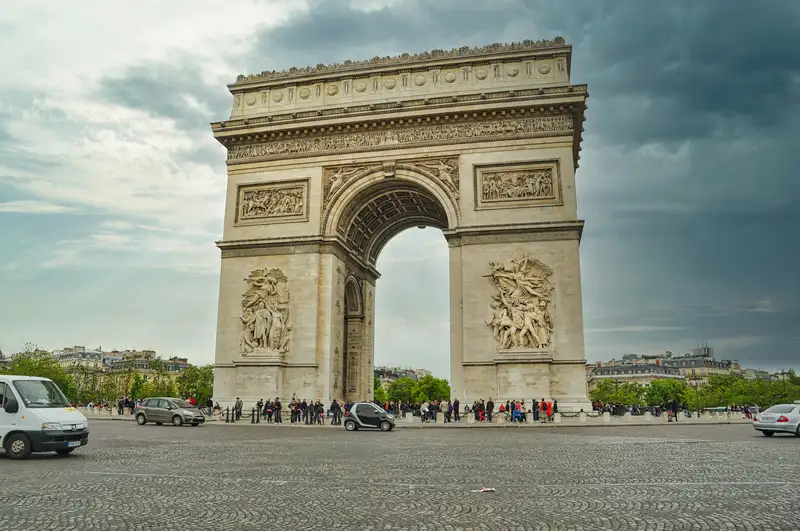
Paris wears its more recent past on its sleeve. This is the city of the French Revolution, of mobs at the Bastille, of kings and queens stripped of everything. It is the city Napoleon wanted to make into a new Rome, which is why the Arc de Triomphe surmounts the end of its most majestic avenue.
But the Paris you will walk through owes most of its present appearance to the 19th century and a man named Haussmann, who hacked his way through the medieval labyrinth of winding, narrow lanes and replaced it with wide, straight boulevards and neat rows of cream-coloured buildings of identical façades. Some people regret what has been lost. Either way, the Paris that most people think of as timeless, the same elegant façade unbroken down a long boulevard, is much younger than it appears.
How Paris became the City of Light
Paris loves a good legend. One long-debunked story claimed the city was founded by a group of Trojans fleeing their burning city, linking the city's name to the Trojan prince Paris. It's not true, but a city this proud was never going to rest with a name that meant "the muddy place."
The name you'll hear most often is the City of Light. People commonly associate it with the age of new ideas and great thinkers who gathered in the city, and later with the early street lamps that lit the boulevards at night. Both interpretations feel right. Paris has always been a place where people came to see and to be seen, to think out loud, to make something both beautiful and a little dramatic.
The famous sights, seen as moments
Yes, they're worth it. And no, they are not the clichéd tourist traps the know-it-alls would have you believe. The problem with these icons is that people usually rush them. Approach each one slowly, at the right time of day, and all that hype melts away, and the magic comes.
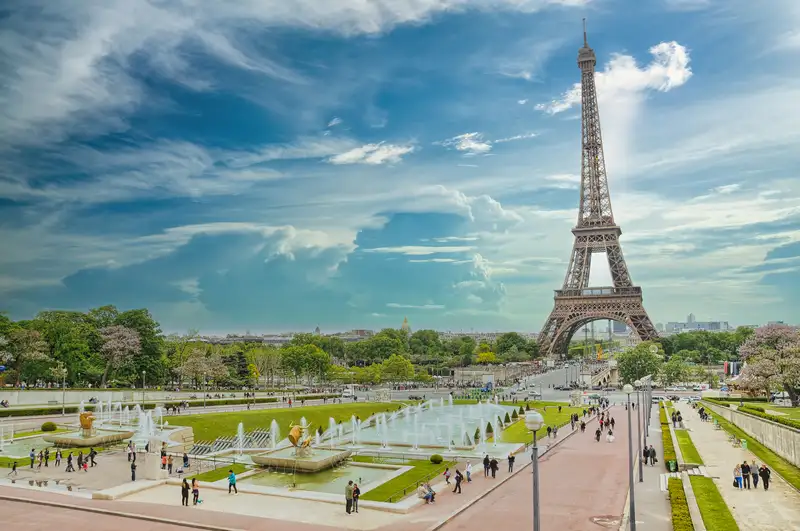
Eiffel Tower, the iron heart of the skyline
There it is, taller and weirder than any photo could have led you to expect, a giant iron cage that hums gently when the wind blows through it. On the hour after sundown, for five minutes, it twinkles, and the crowd on the lawn below tends to hush up all at once. You don't have to climb it. In fact, sometimes the best place to be is the lawn.
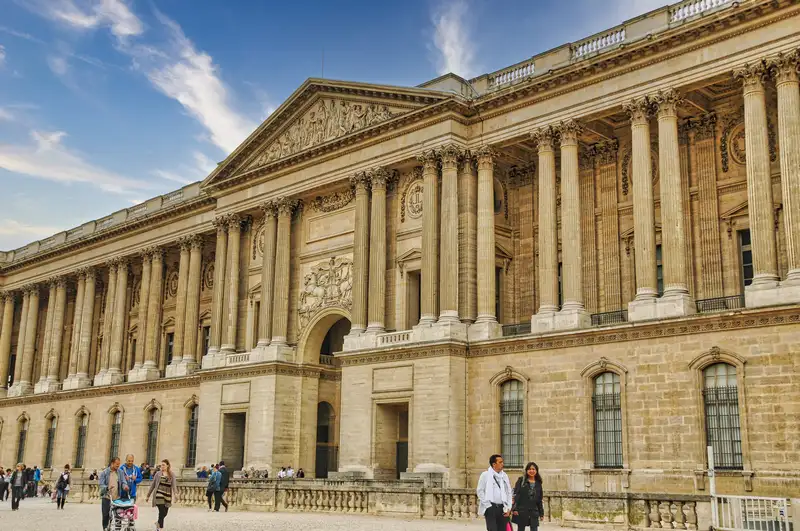
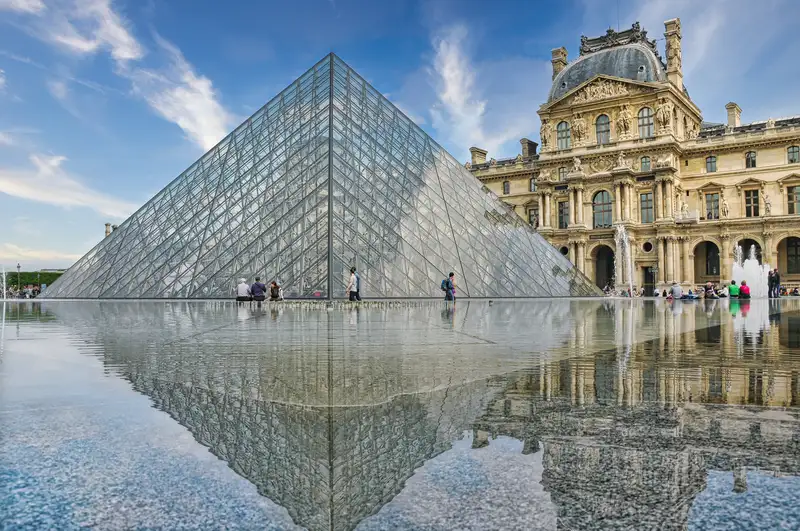
The Louvre, the palace of paintings
Enormous is the word for the Louvre, and trying to see everything in a single trip is how Paris breaks your heart. Pick a wing, stroll slowly, and allow yourself to get a little lost. The Mona Lisa is smaller than you expect and crowded with people holding up cell phones, so I would not plan my day around her. The real pay-off is rounding a corner into an empty hall and discovering something you didn't know to look for.
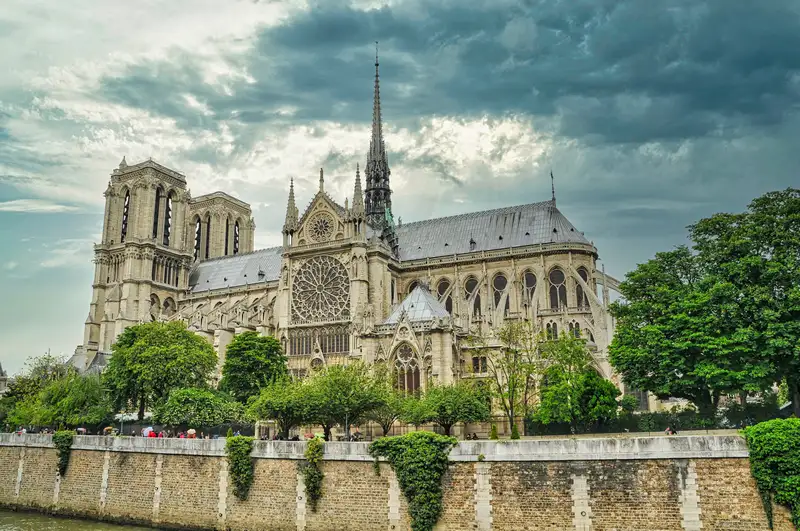
Notre-Dame, risen again
This is the birthplace of the entire city, so it has a gravity that the others lack. The cathedral survived its horrific fire, and seeing it standing again is reason enough to cross the river. Walk the little streets behind it on the island, away from the crowds at the front, and you can still feel the old Paris in the stillness.
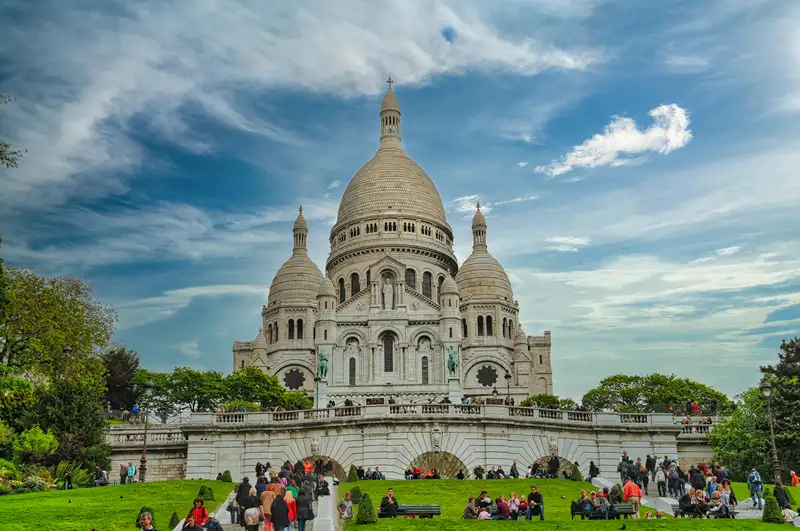
Morning light on Sacré-Cœur
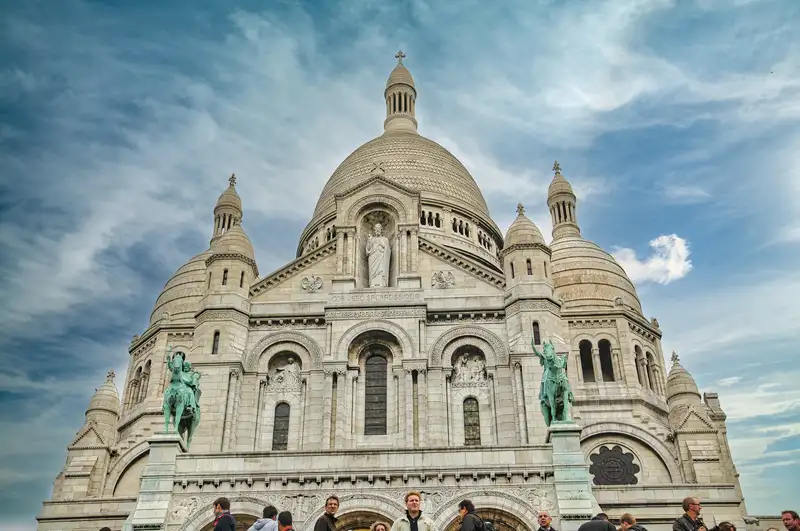
Sacré-Cœur's white domes sit atop the city's highest hill. Climb up in the early morning, before the steps become full, and Paris lies spread out below you in a grey-gold haze. It is one of the city's few free views from above, and one of the best.
Beyond the postcard, into real Paris
A quieter, more local Paris lies to the east of the monuments. If you need a day two after Plan A doesn't quite work, this is the solution. Avoid another listed square and head for where the locals live instead. I've collected some of my favorites in the Paris neighborhoods guide, but here are the three I'd start with.
Old Paris, still standing in the Marais
Medieval, narrow, and bursting with life, Le Marais is the bit of Paris where the Middle Ages survived Haussmann's straightening operation. Place des Vosges, the city's oldest planned square, is at its heart, surrounded by arcades. Explore the side streets for tiny museums, falafel queues, and empty courtyards behind heavy doors.
The quiet side of Montmartre
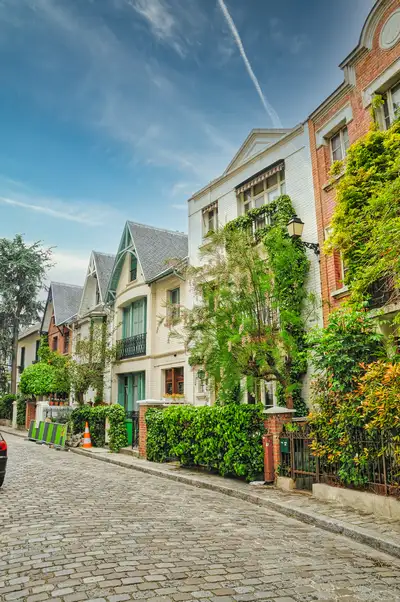
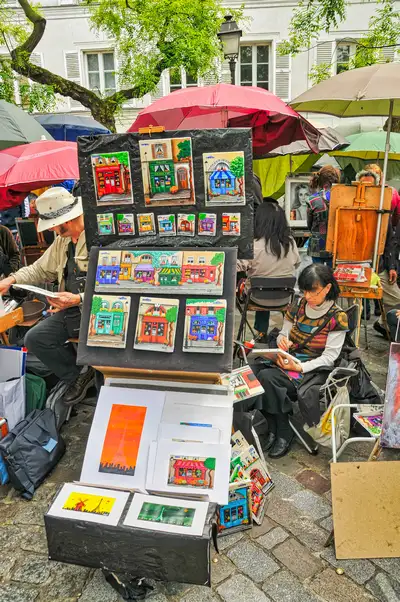
Everybody clambers to Sacré-Cœur and crushes the square full of portrait painters. Fewer make the back lanes that tumble away behind it, where the houses are smothered with ivy, and the noise stops. Wander a few streets too far on purpose. That's where Montmartre keeps its wild heart.
Canal Saint-Martin, where Parisians come to rest
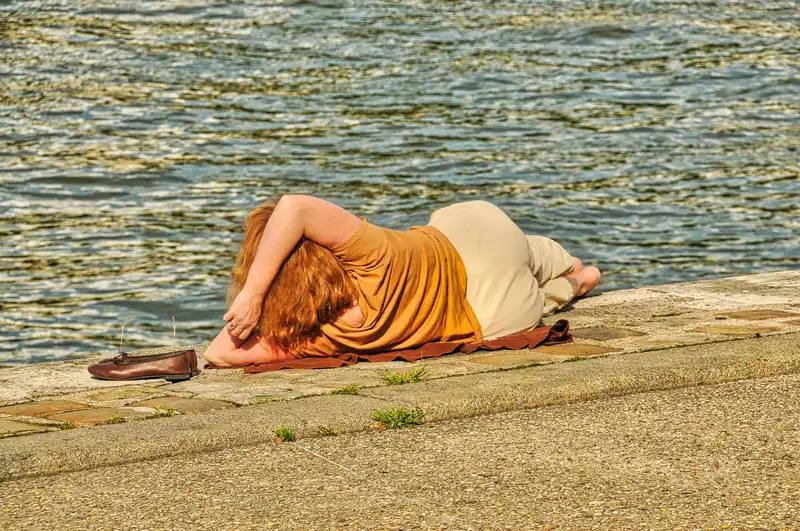
This is where Parisians come to feel like they are on holiday without leaving home. The canal snakes through the 10th and 11th arrondissements with leafy banks, iron footbridges, and on warm evenings, people gather with wine and bread, and nowhere do they have to be. There are no grand monuments. That is the point.
Belleville, loud and alive
A hill up and to the east, Belleville is a melting pot of cultures, loud with markets, street art, and small kitchens cooking food from far away. It is one of the last places in the center where Parisians still outnumber visitors daily. At the top is a park that gives you a view almost no tourist ever sees.
Food and café life in Paris
The food is the one thing in Paris that almost nobody says is overrated, and they are right to think so. But the very best of it is small and everyday, not showy.
Begin the day at a boulangerie. For a few euros, a fresh baguette still warm from the oven is the reason so many fall in love with this place. Slather it with butter, and you don't need anything else.
Head out later and claim a table on a café terrace, then order a coffee and do nothing. You are not buying the coffee. You are renting the chair and the view, and no waiter will hurry you. Street markets are worth tracking down: mountains of cheese, a stallholder obsessively stacking peaches into careful peaks, a queue that moves in slow-motion because everyone stops to gossip.
Don't go for the best-known names when you’re after pastries. Join the queue of locals instead. The best croissant is seldom the one from the shop everyone has heard of.
The gentle escapes near Paris
Paris makes a great home base for the country, and the big stuff outside the capital, and a day or two out will add completion to any lengthier stay. I maintain a more comprehensive list in the day trips from Paris guide, but here are the ones I would not miss.
Versailles, the palace of the old kings
The palace of the ancien régime is just a short train ride out, and you will be amazed by its scale when you are there in person. Get there early, and try to spend more time in the gardens than inside. The further you walk away from the palace, the more the crowds die down, and the silence returns.
The colors of Giverny
This is where the painter Monet kept his garden and his water lilies, of which he is so famous. In spring and summer, it is a living Monet painting, with all the bridges, reflections, and pastel colors. It has a serenity that the city will never know.
Champagne, castles, and quiet roads
If you have longer, the Champagne region and its cellars are far enough out for a long day trip, and the castles of the Loire valley are not out of reach. France opens up fast from Paris, and the fast trains make it all too easy to escape.
Making your Paris trip easy
Choosing your season in Paris
Late spring and early autumn are the best times. April to June brings mild days, long light, and blooming gardens. September and October have warm afternoons and thinner crowds as the summer hordes dissipate.
Summer, meanwhile, is both hot and busy at the major sights, but many Parisians head out of the city in August, leaving the streets in a lovely, haunting way. Winter, of course, is grey and quiet, but the lights make it gentler, and you’ll have the museums to yourself. There's no bad time, only different atmospheres.
How many days do you need?
Three full days are enough to fall in love with the city at a leisurely pace. That gives you time for a couple of the big sights, a quiet neighborhood, and a long, slow lunch.
Five days will let you tack on a day trip and still have time to do nothing, which in Paris is an activity in itself. If it's your only visit, go with more days and fewer sights.
Getting around Paris on foot and rail
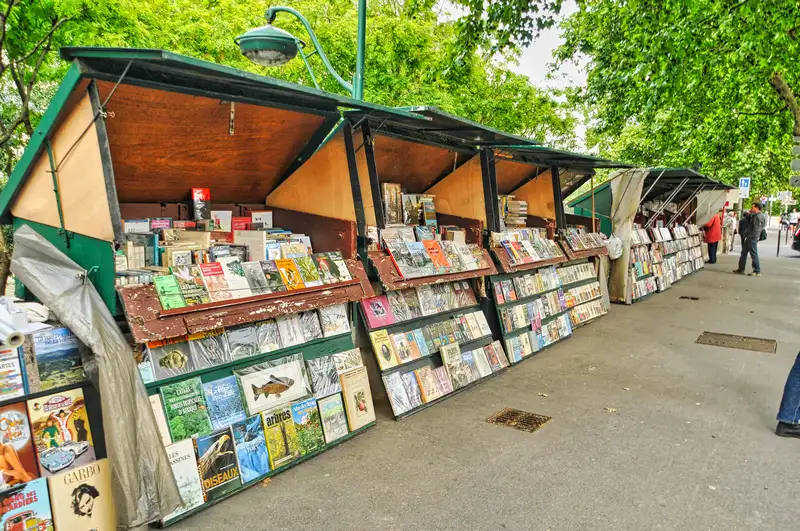
Walk first. The center is compact, and the streets are half the attraction. When you're done walking, the Metro is fast, cheap, and goes everywhere; a single ticket will take you across the city. Buy a little pass or a pack of tickets to save money, hold your ticket until you leave, and keep an eye on your pockets in crowds. Most of the time, though, the answer is just to walk.
Where to stay in Paris
In your first visit, stay near the center so that you can walk home at the end of a long day. The Marais and the Latin Quarter will put you on old streets and short, easy walks to the river. Quieter and more local are the Canal Saint-Martin area and the 11th. Steer clear of basing yourself right by the Eiffel Tower, where prices soar, and daily life thins out.
Common questions about Paris
Does Paris reward a first visit?
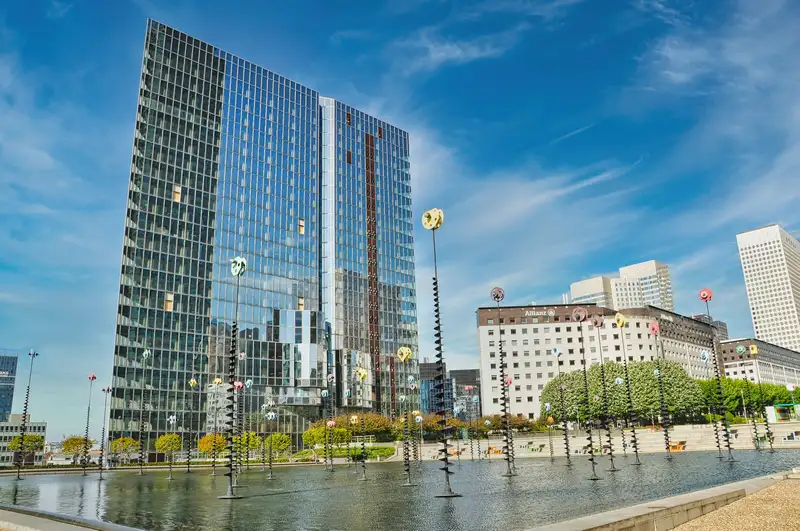
Yes, if you go with an open mind and you're ready to embrace the real city rather than a movie set. Leave the expectations behind, slow down a bit, and Paris usually wins people over by day two or three.
How expensive is Paris really?
It can be, and usually is, for hotels and meals at touristy restaurants right next to the monuments. You can ease the blow by filling up on croissants and markets, drinking coffee further from the tourist hotspots, and taking advantage of free museum days whenever they fall.
Is Paris safe for tourists?
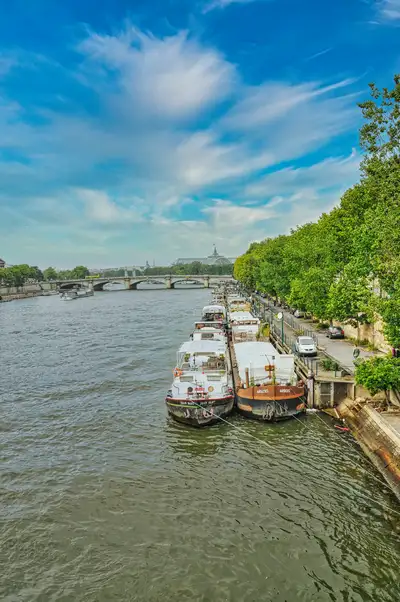
Yes, for the most part. Really, your only worry should be getting pickpocketed on the Metro or around crowded attractions. Watch your bag and keep your phone in your pocket, and you'll be fine.
What is Paris syndrome?
Paris syndrome is the letdown that some tourists experience when the real, lived-in city doesn't match the picture-perfect fantasy in their minds. The best remedy is simple. Don't expect a glossy movie version. Accept that Paris is a living, breathing, and very occasionally dirty and hectic city. Give it time, and be ready to be surprised on its own terms.
Where should I stay for a first visit?
Central and walkable, like the Marais or the Latin Quarter, or quieter and more local, like the Canal Saint-Martin area, if you want to wake up among Parisians rather than fellow visitors.
So, is Paris overrated?
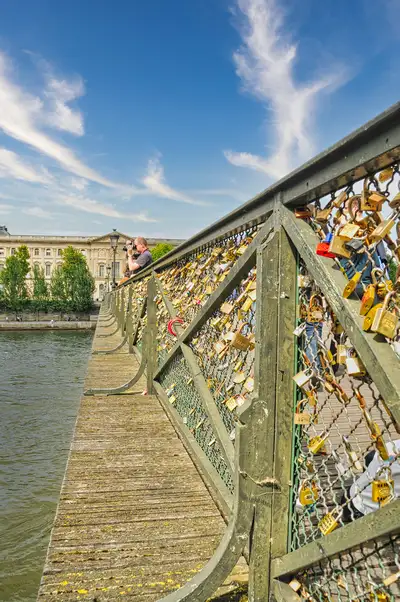
Paris is not overrated. It is overpictured. We have all seen it so many times before we arrive that we forget to look. The visitors who leave disappointed are the ones who came to check off a photograph. The ones who fall for it are the ones who let the city be ordinary, who sit in a café with nowhere to be and watch the light change.
So plan a few unhurried days, visit the famous sights at off hours, and leave time to wander the streets where ordinary life goes on. The grand monuments are only half of it. The other half is the slow mornings and quiet corners and the steady grey-gold beauty of a city that has been beautiful for a very long time and is in no hurry to prove it. Meet Paris on those terms, and she rarely disappoints.